Best Cone Crusher Concave Options for Optimal Performance?
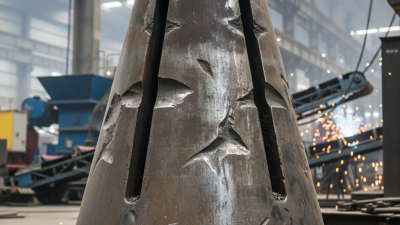
The choice of the best Cone Crusher Concave is crucial for achieving optimal performance in crushing operations. According to a report by Mining Industry Analysts, the right concave configuration can influence production rates by up to 30%. This highlights the importance of selecting quality materials and precise designs. Expert David Thompson, a renowned figure in mining equipment engineering, states, "The right Cone Crusher Concave can significantly enhance efficiency."
Cone Crusher Concaves come in various shapes and sizes to suit different crusher models. These components play a vital role in the crushing process, impacting not only throughput but also particle shape and size distribution. It's worth noting that improper selection or wear can lead to reduced efficiency and increased operational costs. As many in the industry have observed, sometimes, what seems like a minor detail can result in substantial losses.
Evaluating the Cone Crusher Concave requires a balance of performance and durability. Operators must consider the material properties, such as manganese content, which can affect wear resistance. Reflecting on past experiences, some users have found that even small adjustments to their concave design yielded significant improvements in output and longevity. Finding the best options is an ongoing challenge that requires both research and practical insights.
Understanding Cone Crusher Concaves and Their Importance
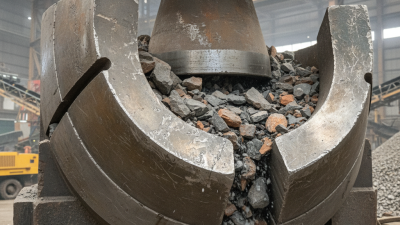
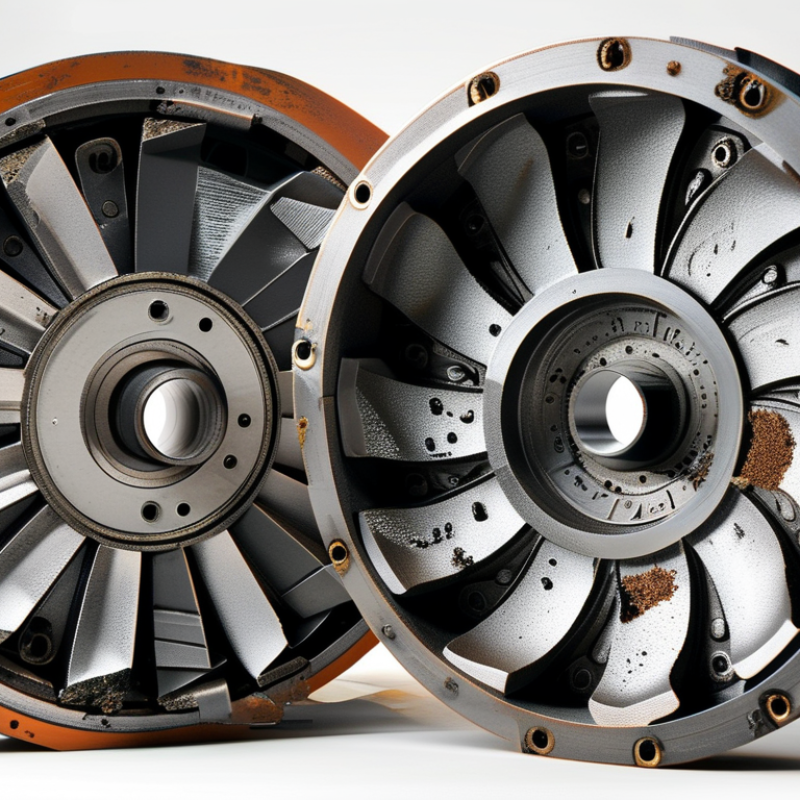
Cone crusher concaves play a critical role in the crushing process. They are designed to facilitate efficient material processing. The shape and material of the concaves influence overall performance. Research shows that the correct configuration can increase throughput by up to 30%. This makes them essential for optimizing operations in mining and construction.
Choosing the right concave material depends on the application. Some materials enhance durability, while others boost efficiency. According to industry reports, high-manganese steel is often preferred for its wear resistance. Conversely, certain alloys can offer better performance in abrasive environments. Operators should continually assess the wear rates and performance of their concaves for best results.
It's essential to recognize that even the best concaves will exhibit wear over time. Regular inspection is necessary to avoid unexpected downtime. Operators should be aware that not all concave designs will be suitable for their specific materials. Customization based on feedback and performance metrics can lead to better outcomes. This reflection on performance enhances reliability in crushing operations.
Best Cone Crusher Concave Options for Optimal Performance
This chart compares the performance ratings of different cone crusher concave materials, illustrating their effectiveness in a production environment. Material C has the highest rating, indicating optimal performance for cone crushers.
Types of Cone Crusher Concaves Available in the Market
When it comes to selecting cone crusher concaves, understanding the different types available is essential. Primarily, concaves are classified based on their design and material. The most common types include standard, medium, and short-head concaves. Standard concaves are suitable for primary crushing. They provide a broader feed opening and longer throw. This often results in a coarser output. Medium concaves offer a balance between size reduction and throughput, making them adaptable for various applications. Short-head concaves, on the other hand, excel in finer material processing.
Material composition also affects performance. Manganese steel is popular for its high resilience. This material can withstand intense pressure and impact. Some manufacturers offer high-chrome or alloy options for specific rock types. These alternatives can improve wear life but may require specialized handling. The choice of concave must align with the specific rock characteristics and operational goals. Users must reflect on their production needs and the challenges posed by different materials. Each option has its advantages and drawbacks.
It's essential to regularly evaluate your current setup. Many operators overlook wear patterns in their existing concaves. This oversight can lead to suboptimal performance. By keeping track of wear, users can make informed decisions. This fosters a more efficient and economically viable operation.
Material Options for Cone Crusher Concaves and Their Benefits
When selecting materials for cone crusher concaves, durability is key. High manganese steel is commonly used for its ability to withstand wear. This alloy has a unique structure that can absorb the shock during crushing. While it’s effective, this material can become brittle over time. Some operators find that they need to replace these components more frequently than anticipated.
Another option is alloy steel. This material offers a balance of strength and toughness. It can handle higher impacts and resist wear. However, it may not perform as well in certain abrasive conditions. This limitation often leads to a compromise in performance that needs careful consideration.
Ceramic or composite materials are gaining attention for their lightweight and high resistance to wear. They can enhance efficiency in crushing operations, but their cost can be prohibitive. Not all operators are experienced with these newer options, which can lead to misuse or suboptimal performance. It’s essential to weigh the advantages against the potential downsides. Every choice has its trade-offs, which requires thoughtful analysis and experience in the field.
Factors Influencing the Performance of Cone Crusher Concaves
The performance of cone crusher concaves plays a critical role in achieving optimal crushing efficiency. Various factors can significantly influence this performance. First, the material composition of the concaves is vital. Reports indicate that high-quality manganese steel, typically with a content of around 12-14%, provides enhanced durability and wear resistance. A compromised material quality can lead to premature wear, impacting the overall effectiveness.
Additionally, the design and geometry of the concaves must be carefully considered. Research shows that variations in the profile can affect material flow and crushing efficiency. For instance, a design with proper curvature can enhance the crushing force applied to the material, improving throughput. Poorly designed concaves can lead to uneven wear patterns and decreased performance.
Maintenance routines are equally important. Consistent inspections and timely replacements can avoid unexpected downtimes. Nevertheless, many operations underestimate the impact of worn concaves. Regularly assessing the wear can ensure that performance expectations are met. Operators should not overlook these aspects, as they are crucial for achieving high productivity and operational efficiency in cone crushing applications.
Best Cone Crusher Concave Options for Optimal Performance
| Material Type |
Hardness (HRC) |
Average Lifespan (Hours) |
Cost per Unit (USD) |
Performance Index |
| High Manganese Steel |
45-50 |
300-800 |
150 |
Excellent |
| Alloy Steel |
40-52 |
200-700 |
180 |
Good |
| Ceramic Composites |
60-70 |
400-1000 |
250 |
Outstanding |
| Cobalt-Chromium Alloy |
50-55 |
350-900 |
220 |
Very Good |
| Ductile Iron |
40-48 |
180-500 |
130 |
Fair |
Maintenance Tips for Optimal Performance of Cone Crusher Concaves
Proper maintenance of cone crusher concaves is vital for optimal performance. Regular inspections are essential to identify wear and tear. Over time, concaves can degrade, affecting the crushing process and overall efficiency. Keeping a close watch on the wear indicators can help you determine when to replace them. Noticing small cracks or significant wear can save resources and avoid unexpected downtime.
Lubrication plays a crucial role in maintaining concave efficiency. Regularly check the lubrication system to ensure it is operating correctly. Insufficient lubrication can damage the concaves quickly. Additionally, cleaning debris from the concaves periodically prevents material buildup that can hinder performance. This routine task may seem minor, yet it has a meaningful impact on longevity.
Monitoring the temperature is another essential aspect of maintenance. Excess heat can signal problems within the system. Using thermal imaging tools can help identify hot spots before they become critical issues. This proactive approach enhances reliability and reduces repair costs. Reflecting on these maintenance practices helps prioritize what needs immediate attention and fosters a smoother operation overall.