2026 Best Cone Crusher Mantle Solutions for Global Buyers?
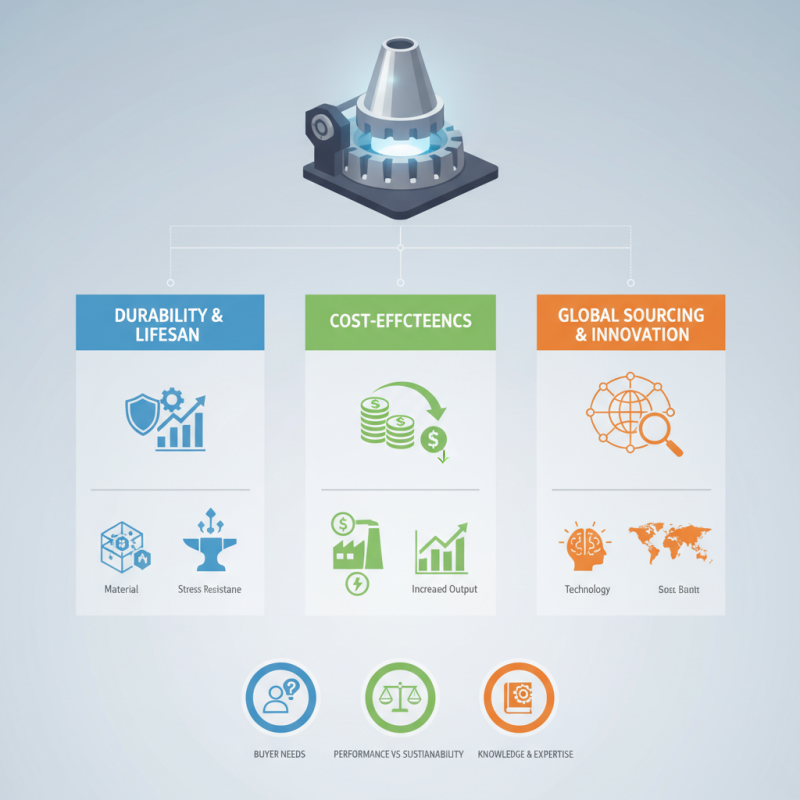
In the evolving world of mining and aggregate production, selecting the right equipment is paramount. The cone crusher mantle plays a critical role in the performance of cone crushers. It directly influences the efficiency and life span of the machinery. Buyers need solutions that are not only durable but also cost-effective.
Global buyers often face challenges in sourcing high-quality cone crusher mantles. The variety of materials and designs can be overwhelming. Factors like supplier reliability and product specifications matter greatly in decision-making. Finding the perfect mantle could feel daunting. Yet, informed choices lead to better operational outcomes. An experienced user can identify the subtle differences between options.
As we navigate the best solutions for 2026, understanding key suppliers and technologies is essential. Emphasis must be placed on proven expertise and product integrity. The quest for the best cone crusher mantle involves balancing performance with sustainability. Buyers should reflect on their specific needs and address potential gaps in their existing knowledge. There’s much to learn, and mistakes can be costly.
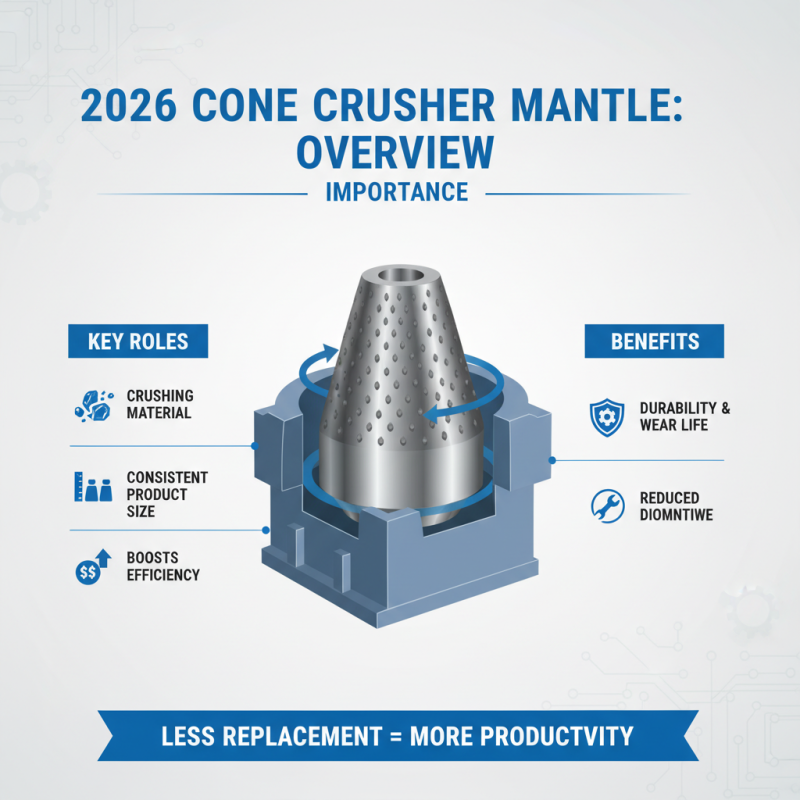
2026 Cone Crusher Mantle: Overview and Importance
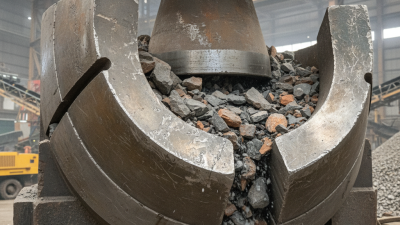
The mantle of a cone crusher plays a critical role in its performance. It directly interacts with the material being crushed. A well-designed mantle ensures effective crushing and consistent product size. This, in turn, boosts production efficiency. The right mantle significantly impacts the wear life and operation of the crusher. A durable mantle reduces the frequency of replacements.
Understanding the specific needs of your operation is crucial. Not every application requires the same mantle type. Factors such as material hardness and moisture content affect the choice. Selecting the wrong mantle can lead to inefficient processes. Buyers must be cautious about their decisions, as durability and fit can vary widely. Ongoing monitoring and assessment are necessary for optimal performance.
The importance of the cone crusher mantle cannot be understated. It is vital for achieving desired output and minimizing downtime. Careful selection and regular replacement can provide long-term benefits. Reflecting on the impact of these choices can enhance overall productivity. Ultimately, a deeper understanding can lead to better investment in crusher components.
Key Features of High-Quality Cone Crusher Mantles
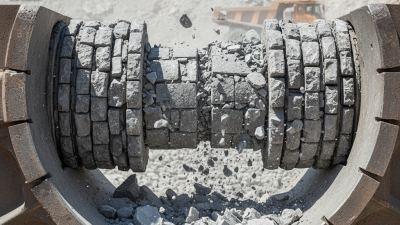
When selecting a high-quality cone crusher mantle, understanding its core features is essential. A well-designed mantle provides superior wear resistance, helping to maximize the lifespan of your equipment. Many buyers prioritize materials that enhance strength and durability. High manganese steel is a popular choice. It offers excellent impact resistance and can withstand harsh operating conditions.
In addition to material, the design of the mantle plays a crucial role. A perfect fit with the crusher's bowl liner ensures proper crushing action. This alignment helps prevent uneven wear and unnecessary downtime. Precision in manufacturing is vital. Some might overlook this detail, but it significantly affects the overall performance.
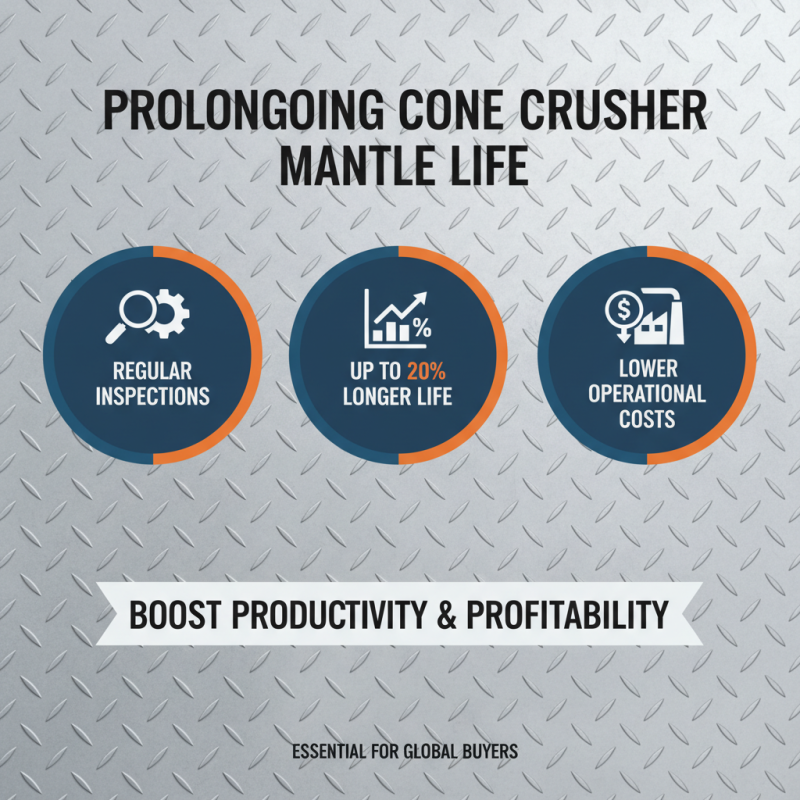
Another aspect often underestimated is the need for regular inspection. Regular wear checks can identify issues before they lead to failures. Inadequate maintenance might shorten the mantle's life, leading to costly repairs. Investing in high-quality mantles is important, but ongoing care can't be ignored. Thoughtful choices around these features lead to a more efficient crushing operation.
Top Manufacturers of Cone Crusher Mantles for Global Markets
The cone crusher mantle plays a critical role in the crushing process of various materials. Global demand for these components has risen significantly, driven by the construction and mining industries. Recent reports indicate that the global market for cone crusher parts is set to reach USD 2 billion by 2026, indicating robust growth opportunities for manufacturers.
Top manufacturers are differentiating themselves through innovative designs and high-quality materials. The use of advanced metallurgy increases the lifespan of mantles. Many companies are focusing on precision casting techniques, which enhance the quality of each unit produced. However, the challenge lies in balancing cost and performance. While investing in better materials can improve durability, manufacturers must also consider market pricing pressures.
Moreover, supply chain issues can affect the timely delivery of mantles to global markets. This leads to potential delays for end-users relying on consistent output. Adaptation and responsiveness to market needs remain essential. Historical data shows that fluctuating raw material prices can impact manufacturing costs. Companies need to develop strategies to manage these variables effectively. The ability to produce high-quality cone crusher mantles will ultimately determine a manufacturer’s success in this competitive landscape.
2026 Best Cone Crusher Mantle Solutions for Global Buyers
| Material |
Weight (kg) |
Dimensions (mm) |
Hardness (HB) |
Wear Resistance (mm/year) |
Price (USD) |
| Manganese Steel |
250 |
300x400x100 |
200 |
4.5 |
150 |
| High Performance Alloy |
275 |
350x450x110 |
250 |
3.8 |
180 |
| Bronze |
230 |
290x390x95 |
180 |
5.0 |
200 |
| Carbon Steel |
240 |
320x420x105 |
220 |
4.0 |
160 |
| Composite Material |
260 |
310x410x102 |
230 |
3.5 |
170 |
Comparative Analysis of Cone Crusher Mantle Materials
When selecting cone crusher mantle materials, various options exist. The choice greatly impacts efficiency and longevity. Common materials include high manganese steel, alloy steel, and ceramic compounds.
High manganese steel offers excellent impact resistance but may wear faster in certain abrasive environments. On the other hand, alloy steel can provide increased hardness and durability, yet it can become brittle over time.
Ceramic compounds stand out for their high wear resistance. They may not be as tough under extreme impacts but excel in service life under wear conditions. Each material presents distinct advantages and disadvantages. Some users report that while ceramic mantles last longer, they can be costly upfront.
Many manufacturers are experimenting with composite materials that aim to merge the strengths of various options. However, consistent performance can sometimes be elusive. Testing under specific conditions is vital to ensure that the chosen mantle meets operational needs. Users must reflect on their unique requirements to find the ideal match for their applications.