What is the Best Fixed Jaw Plate for Your Industry Needs?
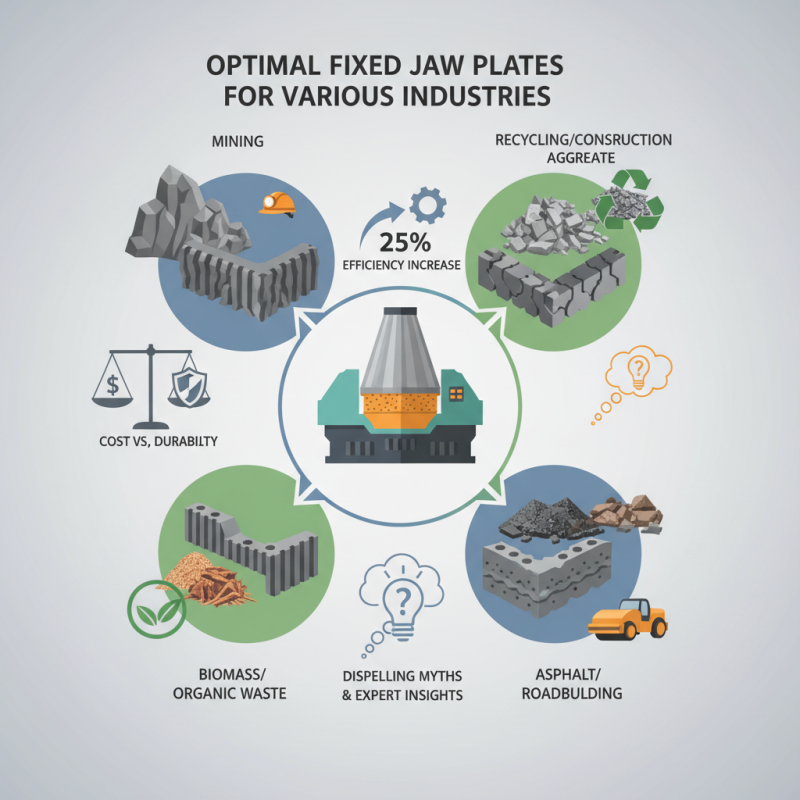
In industries that rely on crushing equipment, the choice of a Fixed Jaw Plate is crucial. Different sectors, from mining to recycling, demand specific features for optimal performance. Reports from the International Journal of Engineering Technology indicate that selecting the right Fixed Jaw Plate can increase equipment efficiency by up to 25%.
Expert David Thompson, a leading authority in machinery design, notes, “Choosing the right Fixed Jaw Plate can mean the difference between profit and loss.” His insights highlight the necessity of understanding material composition and wear characteristics of Fixed Jaw Plates.
While many companies invest in state-of-the-art equipment, they often overlook the significance of the Fixed Jaw Plate. Each industry has unique requirements and myths about "one-size-fits-all" solutions persist. Understanding these nuances can elevate performance. Balancing cost and durability remains a challenge for many. Manufacturers must continually evaluate their choices and adapt to evolving industry standards.
Understanding the Importance of Fixed Jaw Plates in Various Industries
Fixed jaw plates play a crucial role in various industries that require crushing and grinding. They are essential components in equipment like jaw crushers. In mining, construction, and recycling sectors, fixed jaw plates ensure reliable material processing. The durability and design impact efficiency and output quality significantly.
Choosing the right fixed jaw plate depends on specific industry needs. Factors such as material hardness, particle size, and production volume come into play. A plate designed for harder materials may not work well with softer substances. The mismatch can lead to wear issues and reduced performance. Regular assessment and adjustments are necessary for maintaining optimal operations.
While specific standards exist, some applications challenge convention. Variability in material properties requires innovative solutions. Not all fixed jaw plates will meet expectations directly. It’s essential to evaluate designs frequently and learn from practical experiences. This approach promotes continuous improvement in machinery efficiency.
Key Materials Used in Manufacturing Fixed Jaw Plates
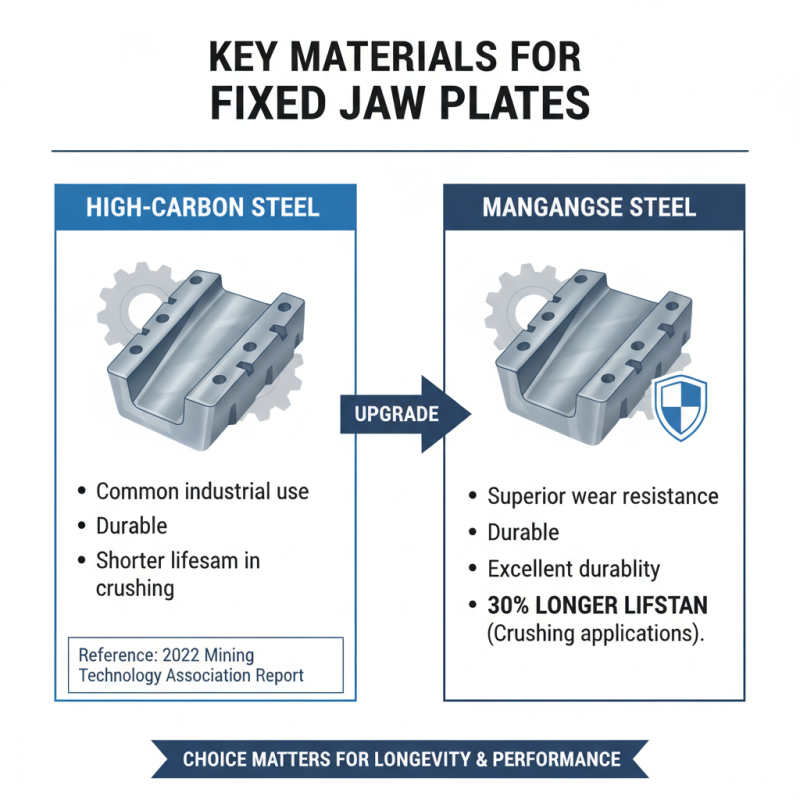
When selecting a fixed jaw plate for industrial use, material choice is crucial. Commonly, these plates are made from high-carbon steel or manganese steel, known for their durability. Manganese steel, in particular, features excellent wear resistance. According to a 2022 industry report by the Mining Technology Association, products made from manganese steel showed a 30% longer lifespan in crushing applications compared to their high-carbon steel counterparts.
Through advancements in metallurgy, new alloys are emerging. Some companies are experimenting with hybrid materials. These aim for the best of both worlds: durability and weight reduction. Yet, this innovation raises questions. How do such materials perform under extreme conditions? A study by the Engineering Materials Institute found that while hybrid materials showed promise, they also displayed unexpected wear patterns. This indicates that ongoing testing is essential for confirming their long-term viability.
Furthermore, the manufacturing process plays a pivotal role. Precision machining and heat treatment can significantly affect performance. Data from the International Journal of Manufacturing Science indicates that improperly heat-treated plates can result in a 15% reduction in tensile strength. This dissatisfaction highlights the importance of thorough quality control measures in manufacturing fixed jaw plates.
Factors to Consider When Selecting a Fixed Jaw Plate
When selecting a fixed jaw plate, several crucial factors come into play. Material composition is key. Choices range from manganese steel to other alloys. The hardness and wear resistance of these materials directly affect the plate's longevity. A more durable plate can significantly reduce replacement costs.
Additionally, sizing is essential. A fixed jaw plate must fit seamlessly within the existing machinery. An ill-fitted plate can lead to inefficiencies and increased wear on other components. Users should measure and verify dimensions meticulously before making a selection.
Moreover, consider the specific needs of your industry. Different applications demand different characteristics from a jaw plate. For example, mining and recycling operations may require distinct features to handle varied materials. Recognizing these nuances can be challenging but is vital for optimal performance. Each choice presents its own set of pros and cons, making thorough research indispensable.
What is the Best Fixed Jaw Plate for Your Industry Needs? - Factors to Consider When Selecting a Fixed Jaw Plate
| Industry Type |
Material Type |
Hardness (HRC) |
Application Suitability |
Typical Lifespan |
| Mining |
Manganese Steel |
18-22 |
Excellent for high impact |
1-2 years |
| Construction |
Alloy Steel |
25-30 |
Ideal for crushing concrete |
6 months - 1 year |
| Recycling |
High Carbon Steel |
45-50 |
Very effective for mixed materials |
1-2 years |
| Quarrying |
Wear Resistant Steel |
40-60 |
Exceptional wear life in harsh environments |
2-3 years |
Comparative Analysis of Fixed Jaw Plate Designs
When selecting a fixed jaw plate, the design significantly influences efficiency and longevity. Different industries may have specific requirements, such as hardness, resistance to wear, and material compatibility. A well-designed jaw plate can enhance productivity, but not all designs cater to every need.
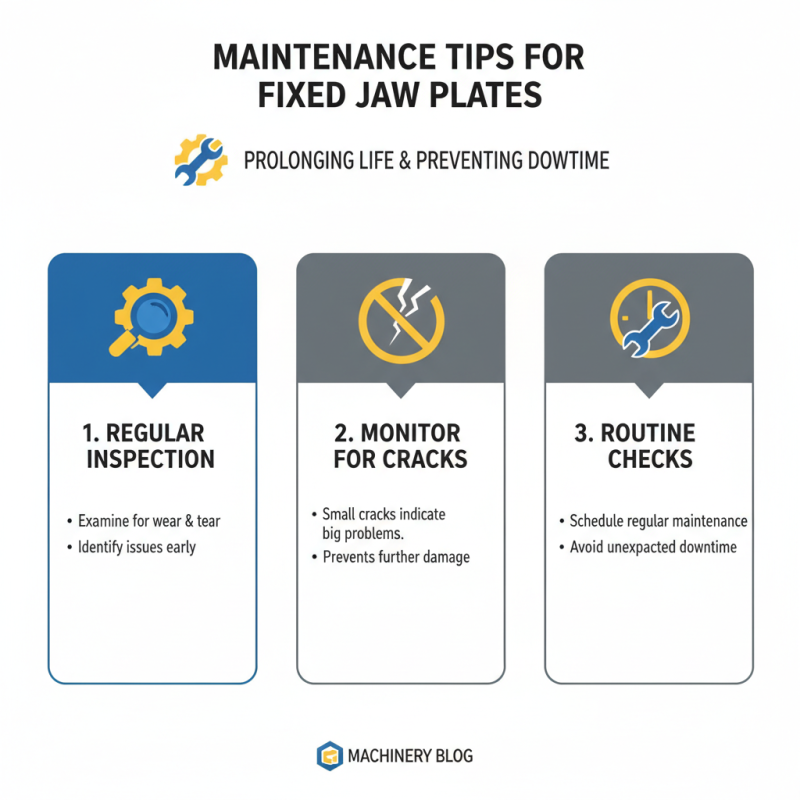
Some designs flaunt robust material construction but often overlook ease of installation. An unnecessarily complicated setup can cost time and resources. Conversely, simpler designs may compromise strength, leading to rapid wear. It's essential to evaluate the trade-offs critically. Regular inspections can catch wear early, prolonging lifespan. However, neglect in maintenance might negate the benefits of a high-quality design.
Durability and performance go hand in hand with proper fit. A poorly fitting jaw plate can lead to misalignment, resulting in uneven wear. Understandably, each industry's unique challenges must be addressed to find optimal performance. Misjudgements in selection can be costly. Finding a balance means considering all operational variables before making a decision.
Comparative Analysis of Fixed Jaw Plate Designs