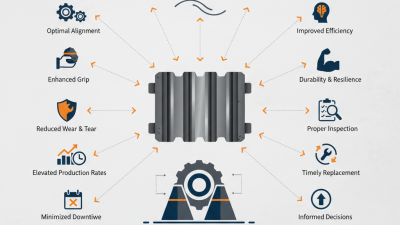
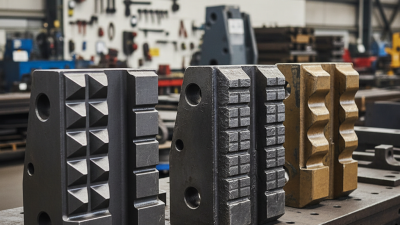
Best Jaw Plates For Crushing Stone in 2026 What to Consider?
In the evolving industry of crushing stone, the choice of "Jaw Plates For Crushing Stone" remains critical. Industry data indicates that jaw plates constitute about 25% of the total operational costs in stone-crushing processes. Selecting the right material and design can significantly reduce wear rates and improve efficiency. Experts emphasize that, as noted by Dr. Emily Parker, a renowned materials engineer, "The effectiveness of jaw plates can directly impact production output and machine longevity."
The market is expected to see advancements in jaw plate technology by 2026. This progression will address the growing demand for more durable and efficient crushing solutions. An intricate balance between material strength and weight is essential, which can often be overlooked. Disregarding these factors may lead to increased downtime and maintenance costs.
While many manufacturers claim superior performance, not all options are equally reliable. Selecting "Jaw Plates For Crushing Stone" requires careful consideration of the specific application and material hardness. Choosing if innovative designs truly serve their purpose is vital. Insights from field tests conducted by leading companies reflect a mix of successes and challenges, highlighting the necessity for ongoing evaluation in material selection. Ultimately, informed choices will define success in this sector.
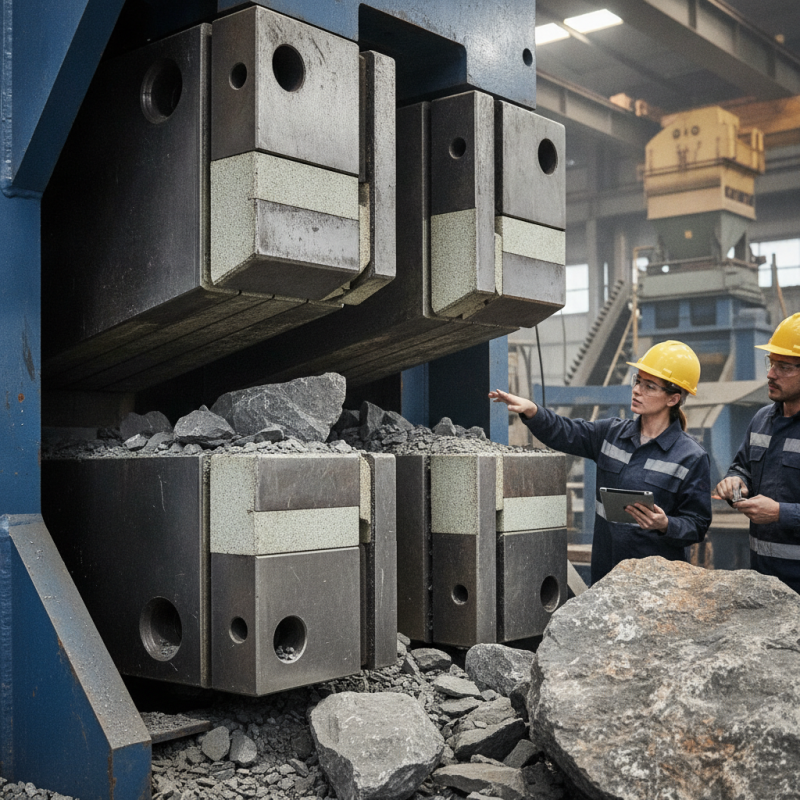
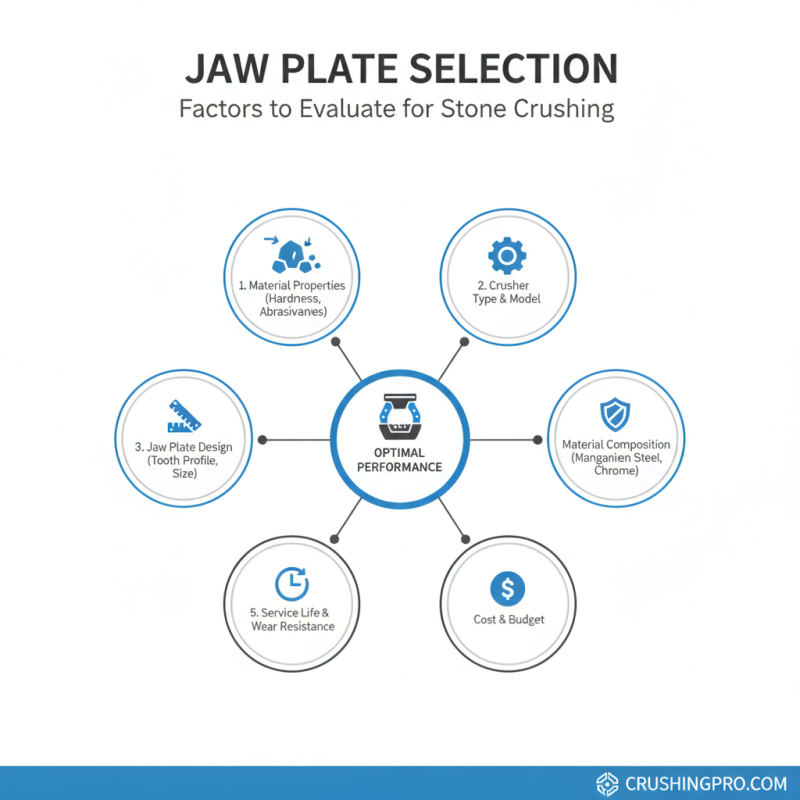
Factors to Evaluate When Choosing Jaw Plates for Stone Crushing
When selecting jaw plates for stone crushing, several crucial factors need evaluation. Material composition is paramount. High manganese steel is a popular choice due to its hardness and durability. The right alloy enhances wear resistance, ensuring longer-lasting plates that endure tough applications.
Another important aspect is the design and geometry of the jaw plates. The profile affects the crushing process efficiency. A well-designed shape not only impacts the size reduction but also ensures effective material flow. Pay attention to the discharge area; a larger opening can lead to smoother operations.
Consider the compatibility with your crushing equipment. Mismatched components can lead to rapid wear or inefficient performance. Checking the manufacturing quality is equally vital. Reputable sources guarantee precision and reliability, reducing the risk of unexpected breakdowns. Ultimately, your decision should reflect a balance of these factors. Make informed choices to enhance productivity in your operations.
Material Composition and Durability of Jaw Plates
When choosing jaw plates for crushing stone, material composition is crucial. High-quality jaw plates are typically made from manganese steel or other alloys. Manganese steel is known for its ability to withstand significant wear and tear, making it a reliable choice for intense crushing applications. These materials can resist the high impact forces generated during the crushing process, ensuring longevity.
Durability is another important factor to consider. The right jaw plates should not only be robust but also resistant to deformity under stress. Over time, even the best materials can show signs of wear. Regular inspections and timely replacements are vital to maintain performance. Some jaw plates may start to crack or chip after extended use. Evaluating the condition of these plates can save costly downtime and improve efficiency in the long run.
In practice, finding the best jaw plates requires balancing performance and durability. Not every material may suit specific applications. Understanding the environment and the types of stones being crushed can help in making an informed decision. Gaining insights from industry experts can offer valuable guidance in navigating these choices. The goal is to maximize efficiency while ensuring safety in operations.
Best Jaw Plates For Crushing Stone in 2026
Design Features Impacting Crushing Efficiency
When evaluating jaw plates for stone crushing, design features play a critical role in crushing efficiency. Optimal jaw plate design can boost overall productivity. According to industry reports, the right design can enhance crushing ratios by up to 30%. Factors like material selection and geometry directly influence performance.
For instance, the angle of the jaw plate affects the trajectory of the materials being crushed. In many cases, a steeper angle increases efficiency but can lead to uneven wear. Material choice is equally vital. Plates made from high manganese steel offer superior durability and resistance to wear. However, there can be trade-offs in terms of cost and mechanical properties.
A focus on the surface treatment of jaw plates can also yield notable improvements. Such treatments can enhance hardness and reduce friction, allowing for smoother material flow. Yet, not all treatments will perform well in every environment, and there may be unforeseen downsides, such as reduced flexibility. By carefully considering these aspects, operators can make informed choices that enhance crushing efficiency in the long run.
Maintenance Considerations for Jaw Plates in 2026
Maintenance is key to extending the life of jaw plates used in stone crushing. Regular inspections ensure that any wear is detected early. A simple look can reveal cracks or excessive wear. Maintaining proper alignment is crucial. Misalignment can cause uneven wear and more rapid deterioration.
Tips: Always check for wear patterns. They can indicate whether the jaw plates are functioning correctly. Uneven patterns suggest alignment issues. Regularly tightening bolts can also help maintain optimal performance.
Consider using high-quality lubricants for jaw plate maintenance. Proper lubrication reduces friction and heat. Heating can accelerate wear and lead to failures. Additionally, cleaning debris from the working area prevents contamination. A clean workspace contributes to efficient operation.
Even with the best practices, wear will occur over time. A proactive maintenance schedule can help mitigate unexpected failures. Pay attention to operation data. It can provide insights into when jaw plates should be replaced.
Best Jaw Plates For Crushing Stone in 2026 - Maintenance Considerations for Jaw Plates in 2026
| Material |
Hardness |
Wear Resistance |
Cost |
Maintenance Frequency |
| High manganese steel |
Rockwell C 55-60 |
Excellent |
$$$ |
Every 1,000 hours |
| Alloy steel |
Rockwell C 45-50 |
Good |
$$ |
Every 800 hours |
| Ceramic composite |
Rockwell C 60-65 |
Outstanding |
$$$$ |
Every 1,500 hours |
| Ni-hard steel |
Rockwell C 55-58 |
Very Good |
$$$ |
Every 1,200 hours |
| Carbon steel |
Rockwell C 40-45 |
Moderate |
$ |
Every 500 hours |
Market Trends and Innovations in Jaw Plate Technology
The jaw plate technology is evolving rapidly, driven by market trends and innovations. Current reports indicate that the global market for jaw plates is expected to grow at a CAGR of 5.4% from 2024 to 2029. This growth is primarily due to the increased demand for crushed stone in construction and mining.
Innovations in materials are a significant focus. Developers are experimenting with high-strength alloys and composite materials to extend longevity and efficiency. For example, a notable study showed that using advanced wear-resistant materials can enhance the lifespan of jaw plates by up to 30%. This durability reduces the frequency of replacements, thus lowering operational costs for companies.
Moreover, the integration of technology in manufacturing is changing the landscape. 3D printing and CNC machining enable more precise designs and customizations. While many companies adopt these advancements, not all have fully realized the potential. Challenges still exist in balancing cost and quality. Some manufacturers struggle to keep up with advancements, potentially risking market share. It's essential to stay informed about these developments for anyone involved in stone crushing.