Best Materials for Jaw Crusher Plates Tips and Guide?
When selecting the best materials for jaw crusher plates, understanding "Jaw Crusher Plate Material" is crucial. Experts in the field emphasize the significance of this choice. Dr. Emily Hart, a renowned materials engineer, states, "The right jaw crusher plate material can greatly affect performance and longevity." This statement underlines the importance of high-quality materials.
Jaw crushers face immense pressure during operation. The plates must endure wear and tear. Using poor-quality material can lead to premature failure. This creates additional costs and downtime. Manufacturers often overlook these details, leading to inefficiencies. The right materials can enhance crushing efficiency and overall productivity.
Choosing the optimal jaw crusher plate material requires expertise. Variations in material composition can change performance drastically. Different environments demand specific solutions. Exploring various options, like manganese steel or ceramic composites, is essential. A careful analysis of these materials will help manufacturers make informed decisions.
Overview of Jaw Crusher Plates and Their Functionality
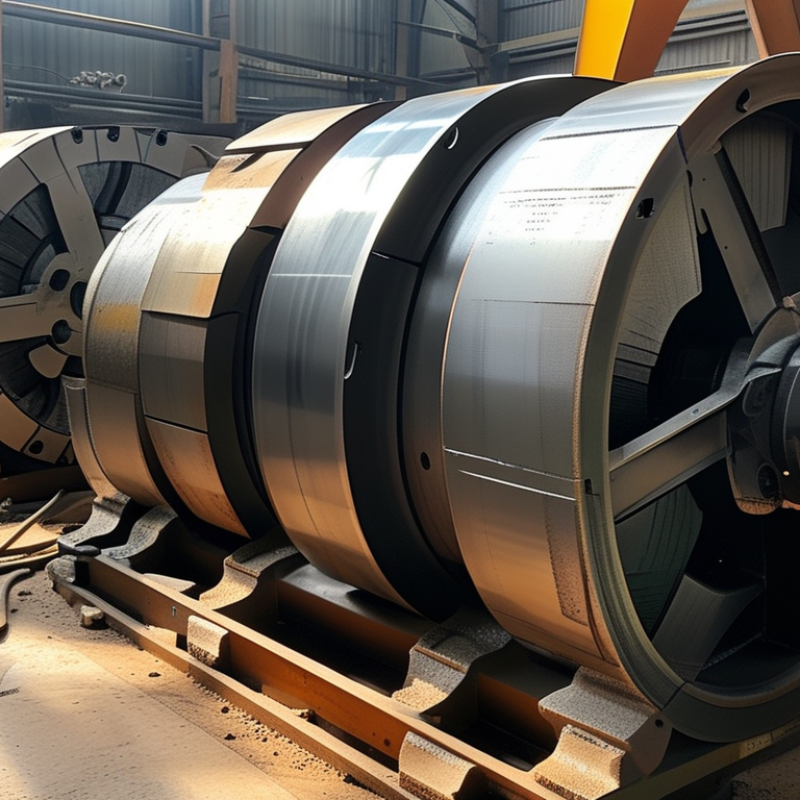
Jaw crusher plates play a crucial role in the functionality of the equipment. They are typically made of robust materials to withstand heavy impacts and abrasions. The design aims to create a secure crush zone for materials, allowing efficient size reduction. The plates function by oscillating against each other. This movement crushes the materials fed into the machine.
The most common materials used for jaw crusher plates include manganese steel and other alloys. Manganese steel is highly effective due to its hardness and ability to absorb shock. However, wear and tear can lead to decreased efficiency over time. It's essential to monitor the condition of the plates regularly. Uneven wear can affect the crushing process, leading to unsatisfactory results. Replacement may seem straightforward, but it requires careful consideration of the operational requirements and the material characteristics.
The choice of material directly impacts the overall performance of the jaw crusher. Using inferior materials can lead to frequent failures and increased operational costs. It's vital to balance durability with cost-effectiveness. Understanding the specific demands of the application is key. Feedback from ongoing operations can reveal insights into plate performance and longevity. This reflection can inform future decisions on material selection and maintenance practices.
Understanding Different Materials Used for Jaw Crusher Plates
Understanding the materials used for jaw crusher plates is crucial in achieving efficient crushing. These plates are typically made from various materials, each offering distinct benefits. Common materials include manganese steel, which is known for its high impact strength. This material can withstand heavy loads and resist wear over time. Additionally, carbon steel is sometimes used, although it may not be as durable as manganese steel.
Choosing the right material for your jaw plates requires careful consideration. Consider the type of material you will be crushing and the wear you expect over time. Here are some tips: Always assess the hardness of your materials. A harder material requires a tougher plate. Also, think about the operational environment. Corrosive elements can lead to faster wear, so select materials that resist corrosion.
Maintenance also plays a role in material longevity. Regularly inspect your plates for signs of wear or damage. This proactive approach can save costs later. Remember, not all materials are created equal. Ensure you choose wisely based on your unique crushing needs. Keep refining your choices and reflect on the performance of your selected materials.
Comparative Analysis of Material Properties for Durability and Strength
Selecting the right materials for jaw crusher plates is crucial for optimizing durability and strength. Various studies indicate that high manganese steel remains the industry standard due to its excellent shock absorption and hardening properties. According to a report by Industry Research, manganese content of 12-14% can significantly enhance wear resistance. This makes it suitable for heavy-duty applications in mining and construction.
Another promising material is alloy steel, which combines manganese with other elements like chromium and molybdenum. Research highlights that alloy steel can achieve superior toughness and abrasion resistance. In fact, tests show that properly alloyed steel lasts 30% longer than traditional materials under equivalent conditions. However, choosing the right alloy composition is critical, as improper mixes may result in unexpected wear patterns or fractures.
Some experts argue that while hardened steel can be effective, it may exhibit brittleness under extreme conditions. A balance between hardness and flexibility is necessary for optimal performance. Ongoing evaluations suggest that experimentation with new materials, like high-carbon steel composites, could offer more viable alternatives. As the industry evolves, continual refinement of material properties will remain essential in enhancing jaw crusher efficiency and longevity.
Best Materials for Jaw Crusher Plates Tips and Guide
| Material Type |
Tensile Strength (MPa) |
Hardness (HB) |
Impact Resistance (J/cm²) |
Fracture Toughness (MPa√m) |
| High Carbon Steel |
700 |
300 |
15 |
50 |
| Manganese Steel |
850 |
200 |
20 |
60 |
| Chrome Steel |
950 |
350 |
22 |
70 |
| Alloy Steel |
800 |
280 |
18 |
55 |
| Ceramic Composite |
600 |
700 |
25 |
80 |
Maintenance Tips for Extending the Lifespan of Jaw Crusher Plates
Jaw crusher plates are crucial for efficient material crushing. Their longevity affects productivity. Regular maintenance can extend their lifespan significantly. Industry data suggests well-maintained plates can last up to 50% longer. Here are some essential tips.
Check for wear regularly. Monitor the surface for cracks or excessive wear. Small issues, if ignored, can escalate. Replace plates when they reach a specified wear limit. This can prevent costly downtime and further damage.
Ensure proper lubrication. Diligent lubrication reduces friction and heat. It can prevent premature failure. According to a report by the American Society of Mechanical Engineers, proper lubrication can increase component life by up to 40%.
Invest in high-quality materials. Plates made from manganese steel offer durability. However, remember that no material is immune to wear and tear. Understand your material feeding process. Overloading can lead to issues, even with the best plates. Regular inspections and thoughtful operational practices make a considerable difference.
Material Durability of Jaw Crusher Plates
This chart represents the average durability in hours of various materials used for jaw crusher plates, which can help in selecting the best material for longevity.
Selecting the Right Material Based on Application and Environment
Selecting the right material for jaw crusher plates is crucial. The choice depends on the specific application and environmental conditions. According to industry reports, different materials exhibit unique wear resistance properties. For example, manganese steel is known for its high impact strength and ductility, making it suitable for tough crushing operations.
In contrast, low-carbon steel offers good flexibility but lower hardness. It is often recommended for softer materials. In harsh environments, such as those with high ambient temperatures, using nickel-chromium alloy steel can enhance performance. This alloy withstands elevated temperatures while maintaining strength.
A report by the International Journal of Materials Science noted that the lifespan of crusher plates can increase by up to 30% when the appropriate materials are selected. Additionally, improperly matched materials can lead to premature failure, costly repairs, and operational downtime. Therefore, understanding the unique demands of the environment is essential for maximizing efficiency and productivity.