How to Choose the Right Cone Crusher Liner for Your Needs?
Choosing the right Cone Crusher Liner can significantly impact your operation's efficiency and productivity. The liner is a critical component of the cone crusher, affecting crushing performance and wear life. With various options available, understanding your specific needs is essential.
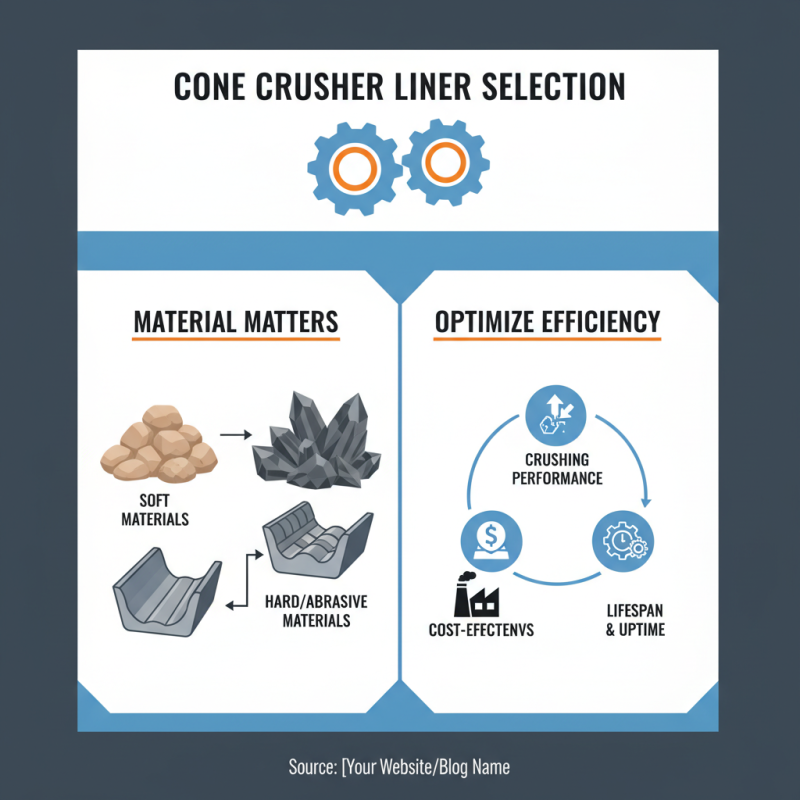
Consider factors such as material type and size. Different applications require different liner profiles. For instance, a softer material may need a different approach than harder, more abrasive materials. You may find yourself choosing between a longer-lasting liner and one that offers more immediate performance benefits.
Don’t overlook the importance of testing and feedback. Sometimes, what works in theory may not meet your actual needs. Pay attention to wear patterns; they offer insights into whether your liner choice is effective. This reflection can guide future selections and enhance overall productivity.
Understanding the Function of Cone Crusher Liners
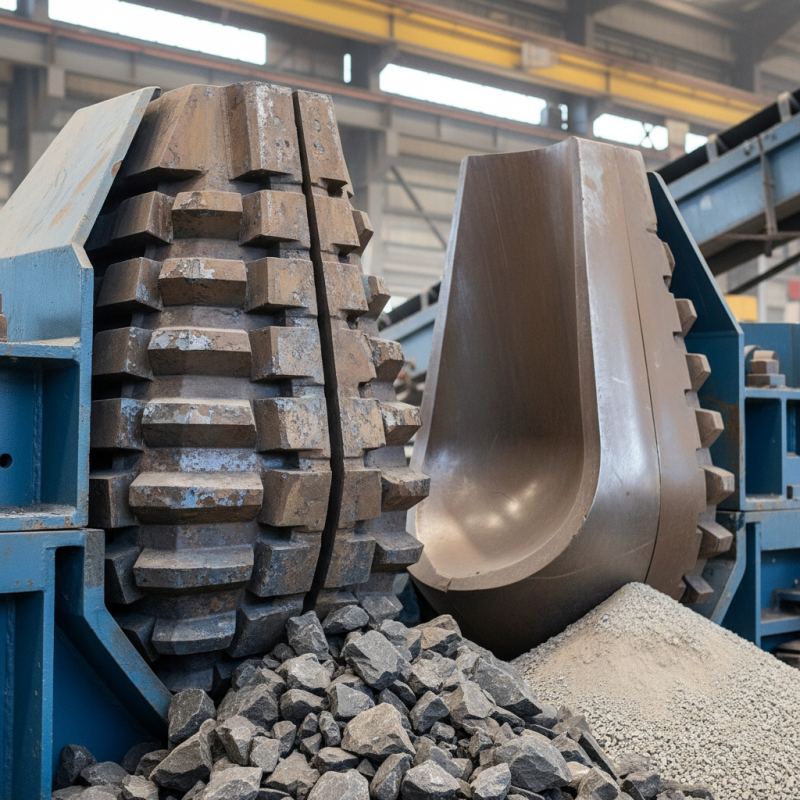
Understanding the role of cone crusher liners is essential for optimal performance. These components shape the crushing process. They maintain the gap between the mantle and concave, impacting the size of the output material. The right liner choice can improve efficiency and prolong machine life.
Different materials and designs impact durability and performance. High manganese steel offers resilience but may wear faster in certain applications. Composite liners, while lightweight, might compromise on strength. Regular assessments can reveal signs of wear, but many operators overlook this task.
Selecting perforated or smooth liners impacts the flow rate of materials. Cone crusher liners can be customized, but this adds complexity. Misjudging the necessary liner type can lead to increased downtime. Understanding your material and processing needs remains crucial in making the best choice.
Identifying the Different Types of Cone Crusher Liners
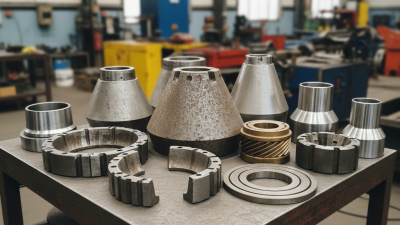
When selecting a cone crusher liner, it's crucial to understand the various types available. Different applications call for different liners. There are standard, heavy-duty, and specialized options. Each type is designed for specific crushing conditions. Standard liners suit general operations. Heavy-duty liners work well for abrasive materials. Specialized options tackle unique challenges.
Analyzing your materials can help. If you crush softer rocks, a standard liner may suffice. For tougher materials, opt for a heavy-duty liner. These provide better wear resistance. It's vital to consider production goals as well. Higher tonnage may need a liner that withstands more stress. Always ask yourself about the specifics of your operations. Are you facing irregular wear patterns? That could indicate a misalignment in liner selection.
Look for signs of wear on existing liners. Cracks or uneven wear can show if you're using the wrong type. Regular assessment helps to prevent unnecessary downtime. Exploration of all options is recommended. Remember, the right liner can save on costs. Choosing wisely will enhance efficiency and overall output.
How to Choose the Right Cone Crusher Liner for Your Needs?
Factors to Consider When Selecting Cone Crusher Liners
Choosing the right cone crusher liner can significantly affect your operation’s efficiency. Various factors play a role in this decision. Start by assessing the specific materials you are working with. Different rocks require different liner profiles. Soft materials may need a different approach compared to hard, abrasive ones.
Another critical factor to consider is the desired output size. Larger aggregates may need a robust liner, while finer outputs might require more delicate designs. Keep in mind that liner thickness also matters. A thicker liner might provide durability, but it could reduce the crushing efficiency. Conversely, thinner liners can increase throughput but might wear out faster.
It's essential to monitor wear patterns regularly. Over time, you may notice uneven wear, which can lead to inefficiencies. Sometimes, operators overlook this detail, leading to unexpected downtime. Regular adjustments and replacements can save costs in the long run. Reflecting on your current setup will help you make more informed choices in the future.
Matching Cone Crusher Liners with Material Characteristics
Choosing the right cone crusher liner is essential for optimal performance. Understanding material characteristics is crucial. Different materials require distinct liner types. For example, hard materials can cause quicker wear on softer liners. Conversely, softer materials might not achieve desired results with harder liners.
When matching liners with materials, consider the hardness level. Is the material abrasive or sticky? Both factors play a role in liner longevity. A trial-and-error approach might be necessary. You may start with a specific liner, only to find out it wears too quickly. Monitoring performance data helps refine your choices.
Additionally, think about the shape of the material. Irregular shapes can impact how the liners perform. Sometimes, adjustments are needed after initial testing. Don’t be afraid to reevaluate your choices. Flexibility can lead to better outcomes. Your needs may evolve, requiring different liners down the line.
How to Choose the Right Cone Crusher Liner for Your Needs? - Matching Cone Crusher Liners with Material Characteristics
| Material Type |
Liner Material |
Durability Rating |
Wear Resistance |
Ideal Applications |
| Granite |
High Manganese Steel |
Excellent |
High |
Primary Crushing |
| Limestone |
Low Alloy Steel |
Good |
Medium |
Secondary Crushing |
| Iron Ore |
Chromium-Molybdenum Steel |
Very Good |
High |
Mining Operations |
| Sandstone |
High Carbon Steel |
Good |
Medium |
Construction Aggregates |
| Dolomite |
Nihard Steel |
Excellent |
High |
Specialty Applications |
Maintenance Tips for Prolonging Cone Crusher Liner Lifespan
Maintaining a cone crusher liner is crucial for its performance and longevity. Regular inspections can help catch wear and tear early. Look for signs of uneven wear. Check for cracks and other damages frequently. These issues can lead to reduced efficiency. If ignored, they may result in costly failures.
Proper lubrication is essential. Clean, adequate lubrication reduces friction. It also prevents overheating, which can wear down the liner faster. Regularly changing the lubrication fluid is also a good practice. Don’t forget to monitor the temperature of the machine during operation. Overheating is a sign that something may be wrong, indicating it’s time to check the liner.
Training your operators is another vital part of maintenance. A well-informed team makes better decisions. They can adjust operating parameters when necessary. It’s also essential to follow the manufacturer's guidelines for operation. However, every operation has unique challenges. Be prepared to adapt and find what works best for your specific needs. Consistent attention and care will ultimately help prolong the lifespan of your cone crusher liner.