Why Choose the Right Stone Crusher Fixed Jaw for Your Needs?
Choosing the right Stone Crusher Fixed Jaw can significantly impact your operations. Industry expert John Smith emphasizes, "The fixed jaw is critical for durability and efficiency." With the right selection, you enhance your machine's performance and longevity.
Stone Crusher Fixed Jaws vary in material and design. Each choice affects how effectively you crush stones. A poorly chosen jaw can lead to excessive wear and tear. This not only hampers productivity but also increases maintenance costs.
Many businesses overlook the specific needs of their operations. Understanding your materials and crushing requirements is essential. Investing time in research helps avoid costly mistakes. Relying on expert advice can guide you toward the best Stone Crusher Fixed Jaw for your needs.
Understanding the Role of Fixed Jaws in Stone Crushers
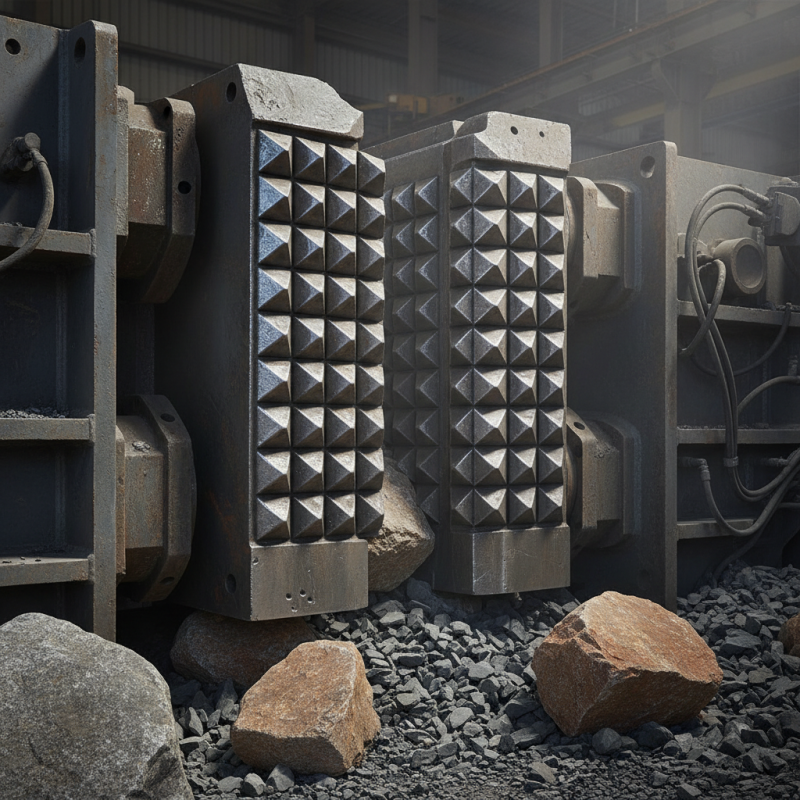
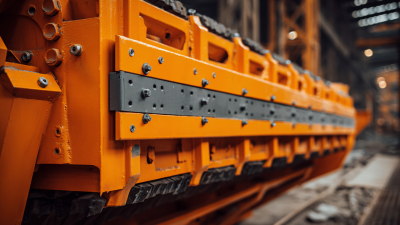
The fixed jaw in a stone crusher plays a crucial role in its functionality. It serves as a stationary surface where materials are crushed against a moving jaw. This collision breaks down the stones into smaller, more manageable sizes. The design of the fixed jaw is vital. An improper design can lead to inefficiency and increased wear on other components.
Choosing the right fixed jaw can enhance productivity. Different materials and jaw shapes can affect how effectively the stones are crushed. A well-designed jaw should match the specific needs of your project. It's important to consider the type of rock being processed. Some materials require more robust jaws, while others may only need a standard design. Regular analysis of wear patterns can also provide insights.
Operators often overlook the fixed jaw's maintenance. Over time, it can wear out, impacting performance. Inspections are necessary to identify replacement needs. Ignoring this aspect can lead to expensive downtimes and repair costs. Therefore, an understanding of the fixed jaw's role is essential for optimal operation in any stone crushing process.
Why Choose the Right Stone Crusher Fixed Jaw for Your Needs?
This chart illustrates the crushing efficiency of different materials using various fixed jaws in stone crushers. Understanding the efficiency is crucial for selecting the right fixed jaw to meet specific needs in stone crushing operations.
Different Types of Fixed Jaws and Their Applications
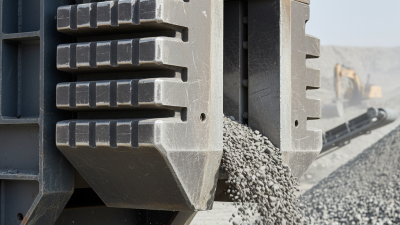
When selecting a stone crusher fixed jaw, understanding the various types available is essential. Each type of fixed jaw is designed for specific applications, catering to diverse material sizes and characteristics. For instance, the deep tooth design is ideal for breaking down tough materials. It offers enhanced grip and efficiency, crucial for hard rocks. Another option is the smooth jaw design, which excels at dealing with softer materials. This design minimises wear and maximises throughput in operations.
Tips for choosing the right fixed jaw include assessing material types and desired output size. Consider the operational environment as well. Different materials require different jaw configurations for optimal performance. It’s also smart to consult with industry experts. They can provide insights based on years of operational experience and help you avoid common pitfalls.
Reflecting on past experiences can guide your choice too. An incorrect fixed jaw can lead to excessive wear or inadequate crushing. Be open to adapting your choice as new technologies and methodologies emerge. By staying informed about developing trends, you can enhance your operations and ensure durability in your equipment.
Key Factors to Consider When Selecting a Fixed Jaw
When selecting a fixed jaw for a stone crusher, several key factors come into play. The fixed jaw's size and design affect the crushing capacity. It's essential to choose a jaw that matches the specific size requirements of the materials you intend to crush. Pay attention to the material composition of the fixed jaw. High-quality materials can enhance durability and reduce maintenance needs.
Another important factor is the jaw’s angle. A steeper angle can improve efficiency for certain applications, while a shallower angle may be beneficial for others. Keep in mind the operational environment too. Dust, moisture, and temperature can influence the performance of the fixed jaw. Regular assessments can reveal wear patterns that inform future decisions. Often, users overlook these aspects, focusing only on cost. In the end, the right choice requires balancing durability, efficiency, and your unique operational demands.
Why Choose the Right Stone Crusher Fixed Jaw for Your Needs? - Key Factors to Consider When Selecting a Fixed Jaw
| Factor |
Description |
Impact on Performance |
Recommended Material |
| Material Type |
The fixed jaw must match the material being crushed. |
Affects the wear rate and efficiency. |
High manganese steel or alloy steel. |
| Size and Shape |
Jaw dimensions should suit the size of the rock. |
Influences crushing capacity and size of output. |
Custom dimensions based on requirements. |
| Jaw Design |
The shape and angle of the jaw will affect the crushing action. |
Impacts material handling and crushing efficiency. |
Single toggle or double toggle designs. |
| Maintenance |
Consider ease of maintenance and replacement. |
Affects downtime and operational costs. |
Wear-resistant materials for longevity. |
| Cost |
Initial purchase cost and long-term operational costs. |
Must budget for both upfront and future expenses. |
Evaluate cost-effectiveness of materials. |
Material Durability and Performance of Fixed Jaws
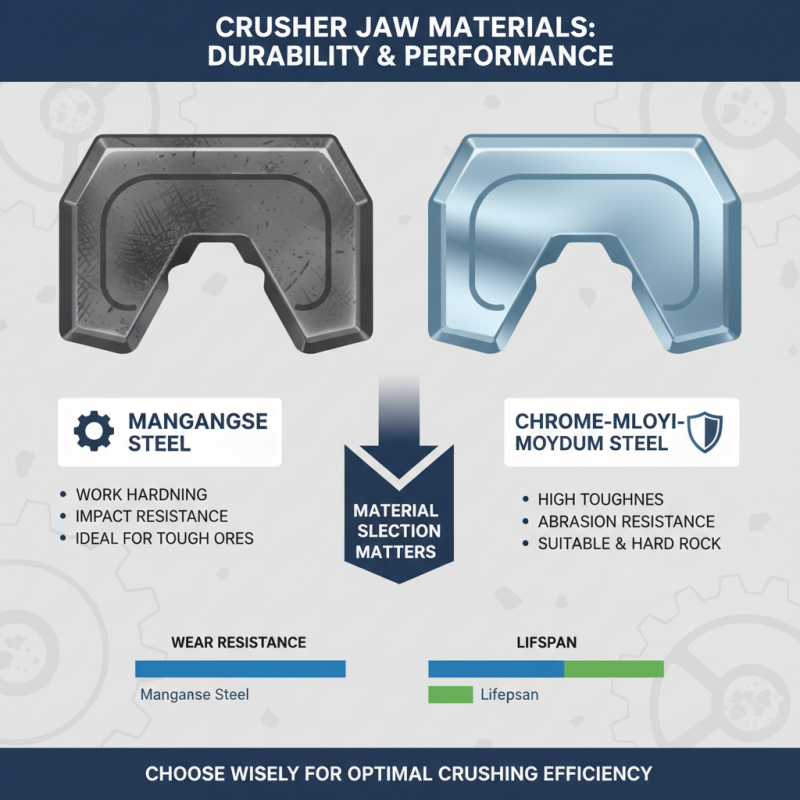
When selecting a fixed jaw for your stone crusher, material durability is critical. Different materials offer varying strengths and resistances. Common choices include manganese steel, which is known for its hardening capabilities, and chrome-molybdenum steels that enhance toughness. Each material affects performance differently, influencing how well the jaw withstands wear and tear.
Understanding the operating conditions is crucial. Harder materials may be more brittle under certain conditions. This scenario can lead to cracks and failures. On the flip side, softer materials may wear down quickly, requiring frequent replacements. A balance is essential for ensuring longevity and optimal performance.
Moreover, it's important to consider the specific application. The type of stone processed and the crusher's output impact the choice of jaw material. Experimentation may reveal unexpected outcomes. Observing the wear patterns can help refine choices. Gathering data on performance over time builds expertise for future selections.
Maintenance Tips for Maximizing the Lifespan of Fixed Jaws
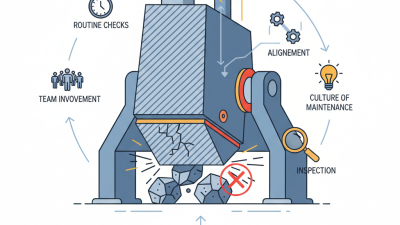
Proper maintenance of fixed jaws in stone crushers is crucial for longevity and efficiency. Regular inspections help catch wear and tear before they become significant issues. Look for cracks or unusual wear patterns. Replacement parts should match the original specifications for optimal performance. Even minor adjustments can greatly impact the machine's effectiveness.
Lubrication is key. Use the appropriate oil type and maintain consistent intervals for greasing. Neglecting lubrication can lead to premature wear of the jaws. Keep the working environment clean. Dust and debris accumulation can contribute to equipment damage. While it might seem minor, small details matter in maintenance.
Be aware of overload situations. Using the machine beyond its designed capacity can shorten the lifespan. Reflect on operational practices regularly. Ensure staff are trained in safe usage and maintenance. Investing time in education can prevent costly breakdowns and enhance productivity.