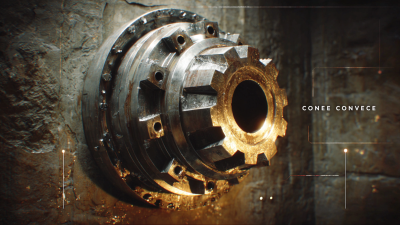
What is Cone Crusher Concave and How Does It Work?
Cone crusher is vital in mining and construction. The Cone Crusher Concave plays a crucial role in this process. It is the part that crushes the material as it moves through the machine.
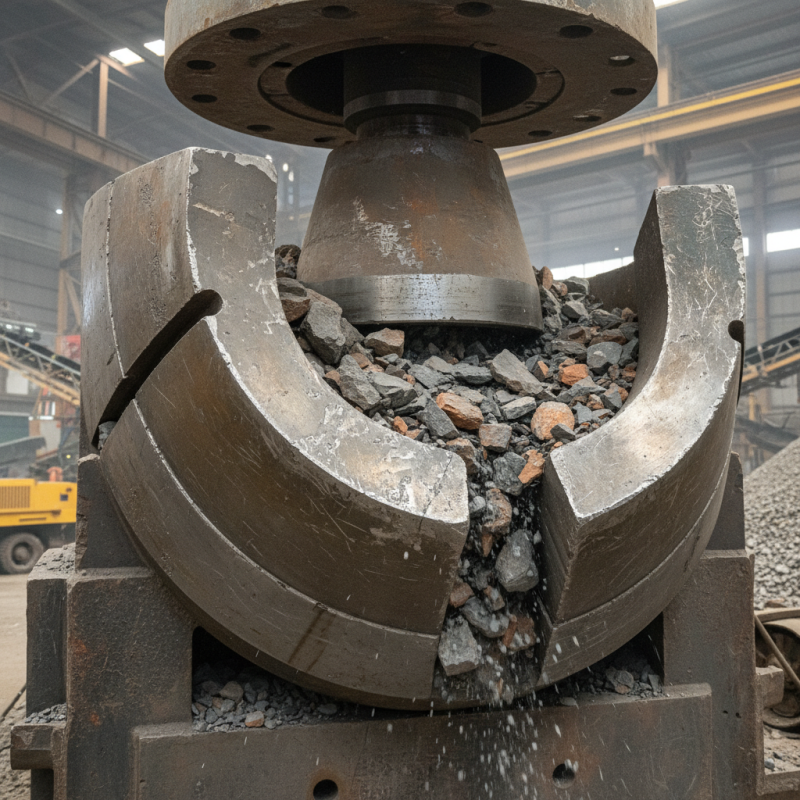
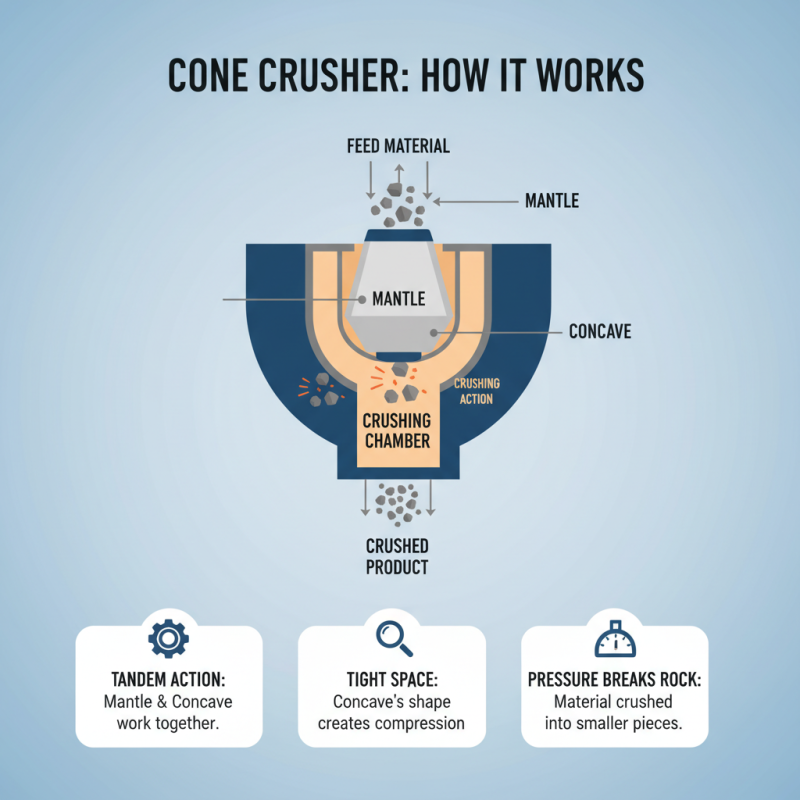
Understanding how the Cone Crusher Concave works is essential for efficient operations. This component is shaped like a bowl and sits inside the crusher’s main housing. When rocks enter the crusher, the concave compresses them against a moving cone. This action breaks the rocks into smaller pieces.
Several factors can affect the performance of the Cone Crusher Concave. Wear and tear are inevitable, leading to reduced efficiency. Operators must regularly check for signs of damage. Selecting the right materials and maintaining them properly can help. Attention to these details can improve lifespan and functionality. Exploring the intricacies of the Cone Crusher Concave reveals both its effectiveness and the challenges faced in its use.
What is a Cone Crusher Concave?
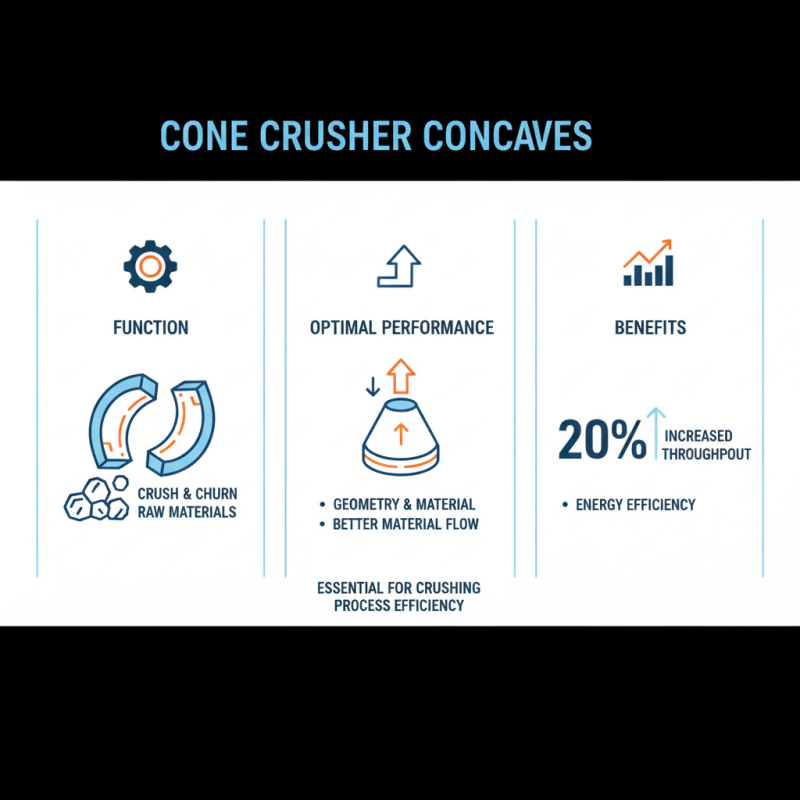
A cone crusher concave is a crucial component in cone crushers. It is the part that crushes the material during the crushing process. The concave is usually made from high-quality steel, reinforced for durability. As the raw material enters the crusher, it sits between the concave and the mantle. This design allows for efficient crushing and shaping of the material.
The working principle is straightforward: the cone crusher's motor drives the eccentric shaft. This movement forces the mantle closer to and further from the concave. The space between them compresses the material. Smaller pieces fall through, while larger ones are crushed further. However, the wear on the concave is significant. Over time, it can lose its effectiveness, which may require replacements sooner than expected. Regular inspections can help, but wear and tear are inevitable.
Understanding the cone crusher concave's importance is essential for efficient operations. A well-maintained concave ensures optimal performance. Neglecting this component might result in poor crushing efficiency and increased operational costs. Monitoring wear rates can lead to more informed decisions about maintenance and replacement. This proactive approach can minimize downtime.
What is Cone Crusher Concave and How Does It Work?
| Dimension |
Specification |
Material |
Weight (kg) |
| Standard Concave |
C2 |
Manganese Steel |
250 |
| Medium Concave |
C3 |
Manganese Steel |
280 |
| Short Head Concave |
C4 |
Manganese Steel |
300 |
| Extra Coarse Concave |
C5 |
Manganese Steel |
320 |
Materials Used for Cone Crusher Concaves
Cone crusher concaves play a crucial role in material processing. Understanding the materials used in manufacturing these components can enhance their efficiency and lifespan. Typically, concaves are made from manganese steel. This material offers high impact strength and good resistance to abrasion. It is crucial for high-performance crushing.
Another material often used is alloy steel, which includes chrome and nickel. Alloy steel enhances toughness, allowing the concaves to withstand harsh conditions during operation. Data shows that manganese steel concaves can last up to 40% longer than standard grades under similar conditions. However, wear rates can vary based on the type of rocks being crushed.
Furthermore, some manufacturers are exploring ceramic matrix composites. These materials offer remarkable hardness and very low wear. Though they are more expensive, their durability can offset costs in the long run. Early data from industry reports indicates that using advanced materials could lead to better efficiency and energy savings in operations. Experimentation is key to finding the optimal material blend. While innovations promise better results, not all have been thoroughly tested in the field. It creates a pressing need for ongoing research and optimization.
Performance Comparison of Cone Crusher Concaves Material
Maintenance Tips for Cone Crusher Concaves
Maintaining cone crusher concaves is crucial for efficient operation. These parts are subjected to considerable wear and tear. Regular inspection is essential.
Check for signs of wear, cracks, or deformation. Ignoring these signs can lead to larger problems. The lifespan of the concave can be significantly reduced if not monitored properly.
Cleaning the concave regularly is important. Accumulated debris can lead to poor performance. Use proper cleaning methods to avoid damage. Inspecting and replacing worn liners helps prevent material losses. Keeping an eye on the concave's fit can also prevent excessive wear. Misalignment is a common issue that can go unnoticed.
It’s wise to keep a maintenance log. This can help identify patterns in wear and allow for proactive measures. Skipping maintenance tasks might save time now, but it will lead to bigger issues later. Additionally, training operators on proper use reduces unnecessary strain on the concave. Regular maintenance pays off in the long run.