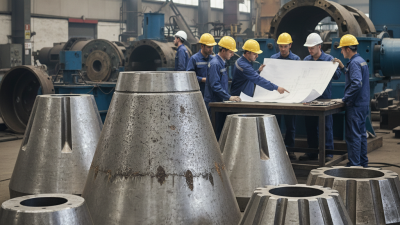
Why is the Cone Crusher Mantle Essential for Efficiency?
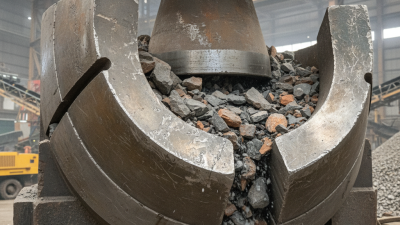
The Cone Crusher Mantle is a crucial component in the efficiency of a cone crusher. It plays a significant role in crushing materials effectively. The mantle’s shape and design directly influence the crushing process. A well-maintained mantle can lead to optimal performance. However, neglecting its care can result in rapid wear and reduced efficiency.
Understanding the function of the Cone Crusher Mantle helps in achieving better results. It is responsible for the reduction of larger rocks into smaller fragments. The precise fit and alignment of the mantle ensure maximum crushing power. If the mantle is worn or misaligned, operators may face challenges. This can lead to increased operational costs and downtime for repairs.
Maintaining the Cone Crusher Mantle is not always straightforward. Regular inspections are necessary to identify wear and issues. Proper lubrication and adjustments are essential for longevity. Operators must remain vigilant to ensure the mantle performs optimally. Investing time and resources in maintenance can prevent costly mistakes in the long run.
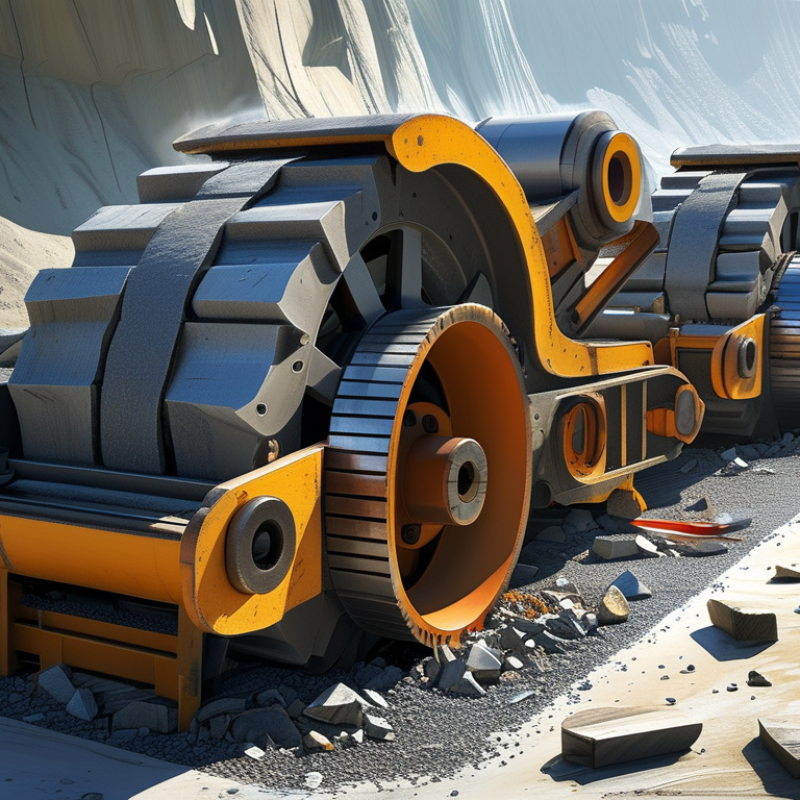
Importance of the Cone Crusher Mantle in Reducing Operational Downtime
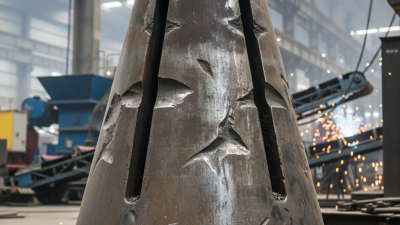
The cone crusher mantle plays a crucial role in ensuring operational efficiency. It directly influences the crushing process and the quality of the material produced. A well-maintained mantle prevents excessive wear, which leads to a smoother operation and less downtime. When the mantle is worn out, it can cause uneven crushing, leading to higher operational costs and unplanned maintenance.
To reduce operational downtime, regular inspections of the mantle are essential. Operators should monitor wear patterns closely. This ensures timely replacements before significant damage occurs. Noticing irregularities early saves both time and money. Aligning the cone crusher’s settings may also enhance performance, optimizing the wear on the mantle.
Operators often face challenges with inconsistency in wear. Maintaining an optimal balance between performance and wear is critical. Frequent adjustments might be required to align with varying material sizes and hardness levels. Stay vigilant for signs of damage or wear, as neglect can lead to catastrophic failures and increased downtime. Adopting a proactive maintenance strategy allows for a more reliable operational workflow and enhances the longevity of the cone crusher.
Key Material Properties Enhancing Cone Crusher Mantle Performance
The cone crusher mantle plays a crucial role in enhancing efficiency in mining and aggregate applications. The material composition of the mantle significantly influences its performance. Typically, manganese alloys, known for their high work-hardening ability, are utilized. These materials not only provide durability but also ensure resistance to wear and impact. A report by the Mining and Materials Institute indicates that an optimized mantle can enhance productivity by up to 15%.
Proper design and metallurgy must align to achieve the best performance. The thickness and shape of the mantle are key factors. Thinner sections can increase throughput but may compromise lifespan. A balance must be struck between these aspects. Additionally, monitoring the mantle's wear patterns yields valuable insights for maintenance scheduling. Industry studies reveal that proactive maintenance can reduce unexpected downtimes by 20%.
Using advanced manufacturing techniques also affects mantle quality. Processes like heat treatment improve hardness, which directly impacts the crushing process. However, inconsistent quality in raw materials remains a challenge. Exploring these variables can provide a pathway to improved efficiency and longevity in the crushing process. Understanding these key material properties positions engineers to create better design solutions.
Impact of Mantle Design on Crushing Efficiency and Product Size Distribution
The mantle of a cone crusher plays a critical role in determining the efficiency of the crushing process. Its design significantly influences how effectively materials are broken down. A well-designed mantle ensures uniform wear and optimal interaction with the material being crushed. This can lead to a better product size distribution and reduced operational costs. However, poor mantle design may result in uneven wear, leading to increased downtime for maintenance.
Material selection for the mantle is also crucial. Steel grades differ, and the wrong choice can impact both durability and performance. A durable mantle lasts longer but may be costlier upfront. There is a balance to strike between wear resistance and cost-effectiveness. For instance, some might choose to prioritize low initial costs over long-term efficiency, which can result in frequent replacements.
Lastly, the shape of the mantle affects how the material flows through the crushing chamber. An incorrect shape can lead to bottlenecks. Adjustments to the mantle's contours can result in improved material handling. It's essential to analyze and adjust the mantle design based on the material properties being processed. Regular reviews and testing can guide these adjustments, but many operations may overlook this vital feedback loop.
Cost-Benefit Analysis of Regular Maintenance for Cone Crusher Mantles
Regular maintenance of cone crusher mantles is crucial for operational efficiency. These components are pivotal for crushing materials effectively. When worn or damaged, they can lead to decreased performance and increased energy consumption. This can be costly in terms of both time and money. Neglecting the condition of the mantle may also result in costly repairs.
Performing regular inspections can help identify wear and tear early. Simple measures, like adjusting the gap settings and monitoring operating parameters, can enhance performance. The cost of proactive maintenance is often much lower than the expenses incurred from unexpected breakdowns. Investing in a consistent maintenance schedule can yield significant long-term savings.
However, many businesses overlook these factors. Some might prioritize immediate production over regular maintenance. This approach can backfire, leading to reduced efficiency and higher operational costs. It’s essential to reflect on these practices and understand the overarching benefits of a well-maintained cone crusher mantle for sustainable operations.
Cost-Benefit Analysis of Regular Maintenance for Cone Crusher Mantles
Comparative Analysis of Different Mantle Materials in Crushing Applications
The mantle plays a crucial role in the efficiency of cone crushers. It's responsible for crushing materials and must withstand significant wear. A comparative analysis of different mantle materials highlights their impact on performance. High manganese steel is popular due to its excellent work-hardening capability. This material can increase durability, but it can also be less effective in certain abrasive conditions.
In contrast, alloys that include chromium and nickel significantly enhance hardness and tensile strength. A report by the International Journal of Minerals, Metallurgy, and Materials noted that these materials can improve the lifespan of the mantle by up to 30%. However, this enhancement may result in brittleness under extreme conditions. Managing the balance between toughness and hardness is essential. Operators often overlook this aspect, which can lead to premature mantle failure.
Another emerging option is ceramic materials, known for their high resistance to wear and corrosion. Though they can increase manufacturing costs, their performance can justify the investment. An industry study indicated that using ceramic-enhanced mantles could lead to a 15% increase in throughput. However, the choice of mantle material ultimately depends on the specific crushing application. Proper analysis of the feed material and operational conditions is key to maximizing efficiency.