What is Cone Crusher Mantle and Its Importance in Mining?
The Cone Crusher Mantle is a critical component in the mining and aggregate industries. It plays a significant role in the crushing process, directly influencing the efficiency of material reduction. According to a recent report by Global Market Insights, the mining machinery market is projected to exceed $200 billion by 2025. This growth highlights the importance of optimized equipment, where the mantle's design and durability become paramount.
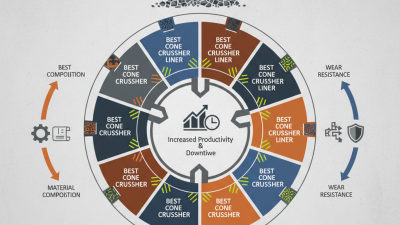
The Cone Crusher Mantle must withstand significant wear and tear. It experiences high levels of stress and impacts during operation. The material composition can affect performance and lifespan. For instance, high-quality manganese alloys are often used for their strength. However, even the best materials can wear out, necessitating regular maintenance and replacement. Failure to address issues with the mantle can lead to decreased efficiency and increased operational costs.
Understanding the importance of the Cone Crusher Mantle goes beyond its physical properties. It requires knowledge of the entire crushing process and materials. Mining operations must consider how the mantle interacts with other crusher components. Awareness of potential failures is crucial. By focusing on these aspects, companies can improve their productivity and minimize downtime, ensuring a reliable and efficient operation in a competitive market.

What is a Cone Crusher Mantle? Definition and Function
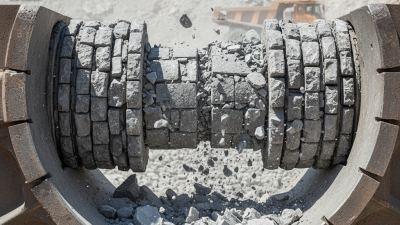
A cone crusher mantle is a critical component in the cone crusher, a type of crushing equipment widely used in mining and construction. This mantle is a moving part that sits on top of the other components of the machine. Its primary function is to crush material fed into the crusher. As the mantle rotates, it moves closer and further away from the stationary bowl.
This action allows rocks to be crushed between the mantle and the bowl.
Understanding the cone crusher mantle is essential for proper maintenance and operation. The wear and tear on the mantle can affect the efficiency of the crushing process. Operators must regularly inspect and replace the mantle when necessary. A worn mantle can lead to increased operational costs and reduced productivity. Monitoring wear patterns and material flow can provide valuable insights for enhancements.
In practice, the effectiveness of the cone crusher depends on the quality of the mantle. Choosing the right materials for the mantle can impact its lifespan and crushing capabilities. It's important for operators to consider the specific materials they are processing. There is always room for improvement in optimizing mantle life and performance. The goal is to strike a balance between durability and efficiency.
Components of a Cone Crusher: The Role of the Mantle
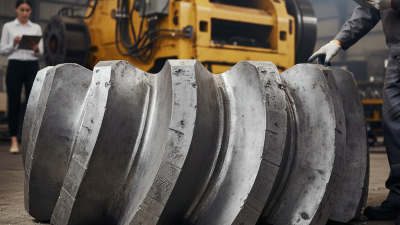
The mantle is a key component of a cone crusher. It is a rotating piece that crushes material by providing the necessary pressure against the stationary bowl liner. The design and materials of the mantle significantly affect the performance of the crusher. According to industry reports, optimizing the mantle’s shape can increase the efficiency of the crushing process by up to 30%.
A typical mantle is made from high manganese steel, which offers great wear resistance. This durability ensures longer operational life, reducing downtime and maintenance costs. Properly fitting the mantle to the bowl liner is crucial. Poor alignment can lead to uneven wear, reducing productivity. About 70% of operational failures in cone crushers stem from issues related to the mantle.
The importance of the mantle cannot be overstated. It directly impacts the size reduction ratio and product shape. A well-maintained mantle contributes to consistent product quality, which is essential in mining. In some cases, operators may overlook the condition of the mantle. Regular inspection is necessary to prevent unexpected failures and maintain high productivity levels.
How Cone Crusher Mantles Are Manufactured: Materials and Processes
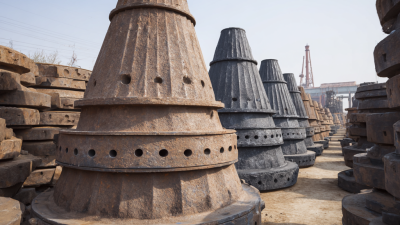
Cone crusher mantles play a crucial role in mining. They are part of the cone crusher, which is essential for crushing hard materials. The production of these mantles involves specific processes and materials. Generally, they are manufactured from high manganese steel, known for its toughness. It provides the durability required for demanding mining environments. Additionally, some manufacturers use alloy steel for enhanced performance and lifespan.
The manufacturing process involves casting, heat treatment, and machining. The casting process ensures that the mantle has the right shape and thickness. After casting, heat treatment strengthens the material, making it resistant to wear and shock. Finally, precision machining ensures a perfect fit with the crusher frame. According to industry reports, over 70% of mining operations depend on effective cone crushing systems. A well-manufactured mantle contributes to overall crushing efficiency, which directly impacts productivity.
Despite advanced technologies, issues can arise during production. Quality control remains a challenge. Variations in raw material composition can lead to inconsistencies. These inconsistencies may not show immediately but can cause wear issues in the long run. The balance between material cost and quality is crucial. Continuous improvements in manufacturing techniques aim to address these challenges. This commitment to quality is vital for maximizing the operational lifespan of cone crusher mantles.
Importance of Materials in Cone Crusher Mantle Manufacturing
The chart above illustrates the usage percentage of various materials in manufacturing cone crusher mantles. Manganese steel is the most commonly used material due to its excellent wear resistance and ability to withstand high impact forces. Chrome steel and alloy steels also serve important roles, while carbon steel is used sparingly for specific applications.
Impact of Mantle Wear on Performance and Efficiency in Mining
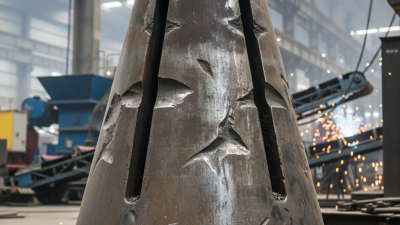
The cone crusher mantle plays a pivotal role in mining operations. It is the component that crushes rocks into smaller sizes. This part endures considerable wear and tear during operations. With time, the mantle's surface can degrade, impacting overall performance.
When the mantle wears down, the efficiency of the crushing process diminishes. An uneven or worn mantle does not crush rocks evenly. This leads to inconsistent product sizes and shapes, affecting downstream processes. Additionally, increased energy consumption occurs when the machinery works harder to achieve the same output. Operators may overlook these signs until production costs rise sharply.
Regular inspection and maintenance of the mantle are vital. However, many operators often neglect this aspect. They may not realize how a small wear issue can lead to larger operational challenges. Understanding the impact of mantle wear is crucial. Improved monitoring can enhance performance and efficiency in mining operations significantly. Ignoring these details may hinder progress and profitability.
Maintenance Practices for Cone Crusher Mantles: Best Strategies and Data
Cone crusher mantles are critical components in mining operations. Their primary role is to crush materials between the mantle and the bowl liner. A well-maintained mantle extends the crusher's lifespan significantly. Industry reports suggest that effective maintenance can reduce unexpected downtime by up to 30%. Regular inspections and timely replacement are essential to sustaining performance.
One best practice involves monitoring wear patterns on the mantles. Utilizing advanced imaging technology can help determine when to replace or repair them. Data shows that 70% of premature mantle failures stem from insufficient wear management. Implementing predictive maintenance strategies can mitigate this. Using real-time data analytics to monitor wear rates leads to smarter maintenance schedules.
Additionally, proper lubrication is vital for reducing friction and wear. Studies indicate that improper lubrication can lead to a 50% reduction in mantle life. Operators should pay attention to the viscosity and quality of lubricants used. Regular training for staff on maintenance practices is also crucial. It ensures everyone is knowledgeable and aware of potential issues.