Inquiry
Form loading...

Top 10 Essential Cone Crusher Parts You Need to Know?

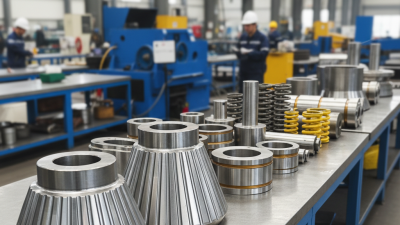
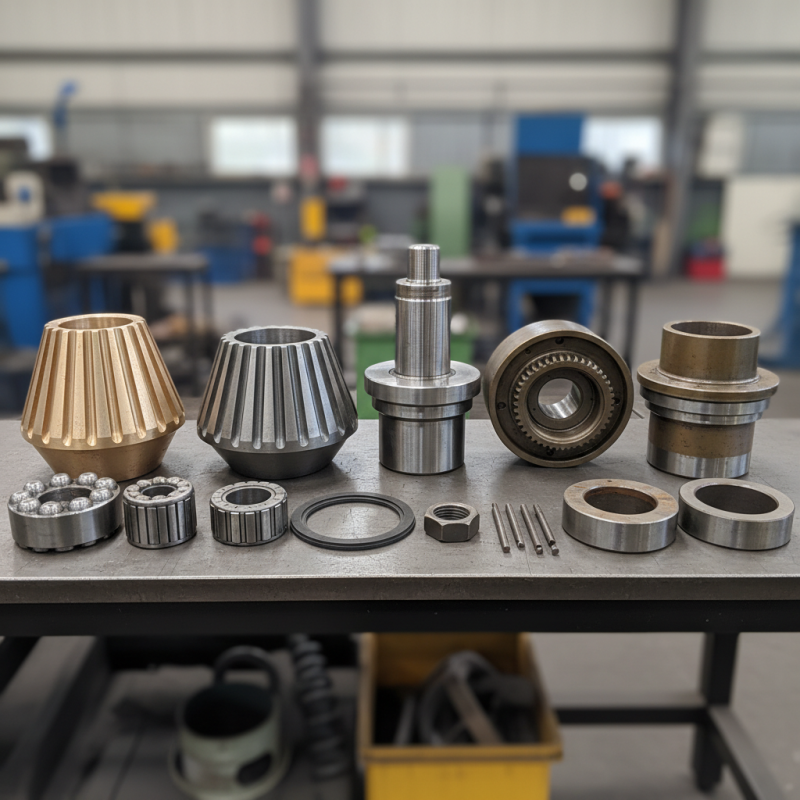
Understanding the essential components of a cone crusher is vital for optimal performance. Cone crusher parts play a crucial role in the equipment's efficiency and longevity. Each part contributes to the crushing process, ensuring materials are processed effectively.

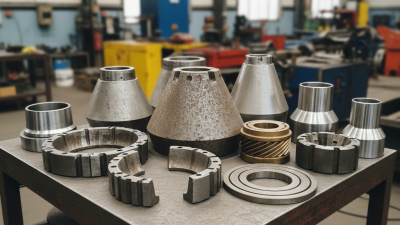
These parts include various elements, such as the mantle and the bowl liner. They wear out over time, impacting the machine's operation. Regular maintenance and timely replacements are essential. Neglecting these aspects can lead to inefficient crushing and even breakdowns. An uninformed approach can result in costly repairs and downtime.

Familiarity with cone crusher parts is not just beneficial—it's necessary. Knowledge of specific components enhances productivity. An understanding of their functions allows for better troubleshooting and maintenance. Dedicating time to learn these details can significantly benefit operators and managers.
Top 10 Essential Cone Crusher Parts You Need to Know?

Understanding the Role of a Cone Crusher in Mining and Construction

Cone crushers are indispensable in both mining and construction industries. They efficiently break down large rocks into usable materials. This process is crucial for the production of aggregates and other construction materials. Through a series of crushing stages, these machines help achieve precise sizes necessary for various projects.


Maintaining a cone crusher is vital for optimal performance. Regularly inspect the main components, such as the mantle and concave. These parts experience heavy wear and tear. Neglecting maintenance can lead to inefficiencies and costly repairs. Observing signs of wear can help prevent machine failure and extend lifespan.


Tip: Always monitor the temperature of your cone crusher during operation. Overheating can indicate lubrication issues or blockages. Additionally, ensure proper feed material size. This can significantly impact the efficiency of the crushing process.


A well-maintained cone crusher is key to successful mining and construction endeavors. Proper care and understanding of its components can lead to better productivity and reduced downtime.


Key Components of a Cone Crusher and Their Functions

Top 10 Essential Cone Crusher Parts You Need to Know?

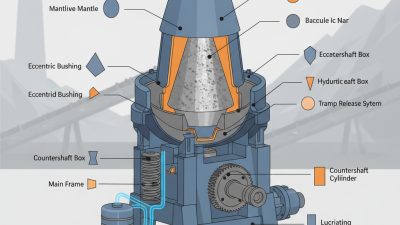
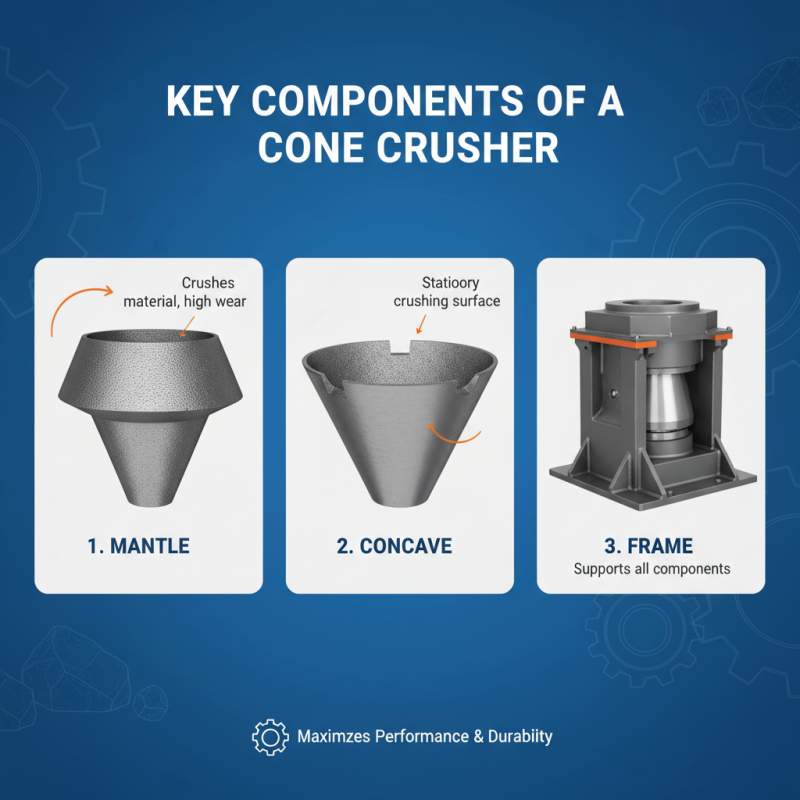
A cone crusher is essential in the mining and aggregate industries. Understanding its key components helps in maximizing performance and ensuring durability. The main parts include the mantle, concave, and the frame. The mantle fits over the concave and crushes the material. It experiences immense wear over time, requiring regular inspections.

The frame provides structural support and absorbs vibrations. It's crucial that the frame remains intact. A damaged frame can disrupt the entire operation. Similarly, the drive shaft connects the motor to the mantle. Any issues here can lead to reduced efficiency. While these components are vital, neglecting their maintenance often leads to unexpected breakdowns.

Other parts, like the hydraulic system and the feed hopper, influence functionality. The hydraulic system adjusts the crusher's settings. If it's not functioning well, performance suffers. The feed hopper should allow the right amount of material in. Too little or too much can lead to problems. Regular monitoring and reflection on these parts can prevent costly repairs.

Critical Wear Parts of Cone Crushers: Importance and Maintenance

Cone crushers are crucial in the mining and aggregate industries. They convert large rocks into smaller, manageable sizes. This process heavily relies on critical wear parts. These components face significant wear due to high-pressure operation. Regular maintenance of these parts is essential to prevent breakdowns and ensure efficiency.

One of the most critical wear parts is the liner. Liners protect the cone from wear. A report from the Mining Technologies Group highlights that worn liners can reduce crushing efficiency by up to 25%. This inefficiency not only affects output but can also increase energy costs. Proper selection of liner materials can mitigate wear and extend service life.

Another important part is the mantle. It directly interacts with the feed material. Over time, it wears down, causing the crushing action to diminish. Frequent inspections can reveal signs of wear early. A proactive approach can extend the life of these components significantly. Regular maintenance improves reliability but often gets overlooked. Understanding the wear characteristics and maintaining these parts is key to optimal cone crusher performance.

Top 10 Essential Cone Crusher Parts You Need to Know

Part Name Description Importance Maintenance Tips
Mantle The part that directly crushes the material. Critical for the crushing process. Regular inspections and timely replacements are essential.
Concave The stationary surface that the mantle crushes against. Ensures effective crushing and product shaping. Keep track of wear levels and replace as needed.
Crusher Bowl Houses the concave and absorbs shock during operation. Affects the crusher’s overall efficiency. Check for cracks and wear regularly.
Shims Used to adjust the size of the crushing gap. Allows for control of product size. Inspect for wear and adjust accordingly.
Hydraulic System Controls the movement of the mantle and adjustment of the gap. Vital for operation control and safety. Ensure fluid levels are maintained and check for leaks.
Drive Shaft Transmits power to the cone. Essential for operation and efficiency. Lubricate regularly and check for signs of wear.
Spring Provides tension and absorbs shock. Maintains proper spacing during operation. Check for fatigue and replace if necessary.
Liner Plates Protect the crusher's interior surfaces. Minimizes wear and extends lifespan of the structure. Inspect and replace regularly to avoid damage.
Dust Seal Prevents contaminants from entering the cone. Critical for maintaining performance and longevity. Inspect frequently and maintain seal integrity.
Outlet Plate Controls the flow of crushed material. Affects product size and flow rate. Monitor wear and replace when needed.

Troubleshooting Common Issues with Cone Crusher Parts

Top 10 Essential Cone Crusher Parts You Need to Know?

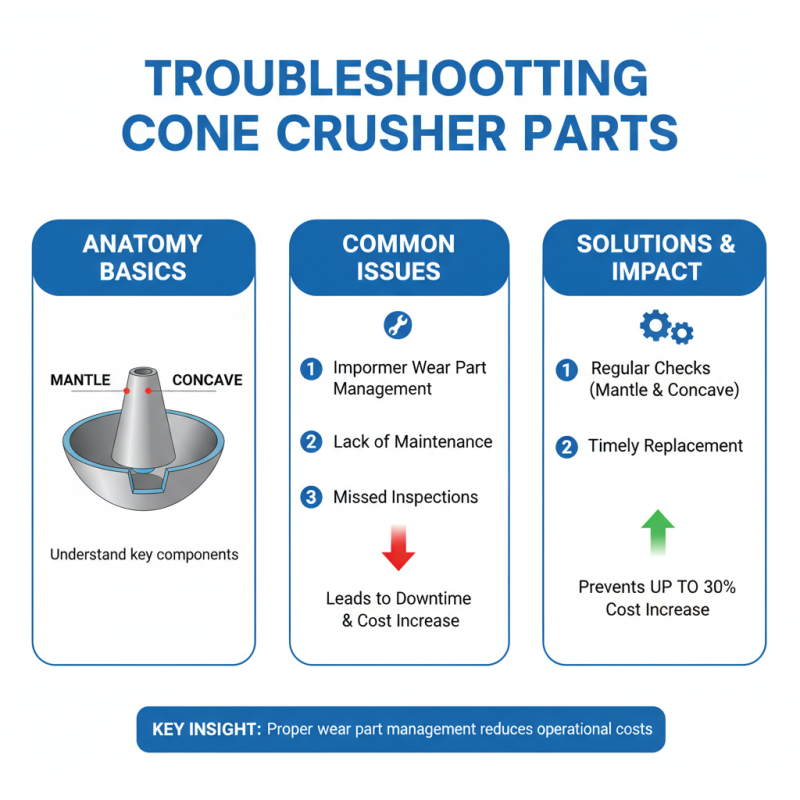
When troubleshooting common issues with cone crusher parts, it’s essential to understand the anatomy of these machines. Failure to maintain or inspect key components leads to significant downtime. Reports indicate that improper wear part management can increase operational costs by up to 30%. Regular checks on elements like the mantle and concave can prevent such scenarios.

One common issue is uneven wear, which reduces efficiency and can cause major damage. Inspecting the parts regularly will keep performance optimal. Operators should monitor the gap between the mantle and concave, ensuring it aligns with the manufacturer's specifications.

Tips: Keep a log for tracking wear patterns. It will help predict future replacements. Additionally, check the lubrication system frequently. Insufficient lubrication can lead to overheating and premature failure.

Another issue arises from vibration or noise. These are signs of misalignment or damaged components. Operators must address these symptoms swiftly. Reports suggest that equipment reliability can drop by as much as 50% without timely interventions. Proper training for personnel on maintenance practices is crucial.

Upgrading and Replacing Cone Crusher Parts for Enhanced Efficiency

Upgrading and replacing cone crusher parts is crucial for optimizing performance. Regular wear and tear can significantly affect efficiency. Identifying worn-out parts is essential. Operators often overlook small components, but they can have a major impact. For example, a worn liner can lead to increased production costs.


Proper maintenance is key to extending the lifespan of these components. Routine inspections help catch issues early. It's not always easy to determine when to upgrade. Some might wait too long, risking severe damage. It’s important to weigh the costs of replacement against ongoing repairs.


Investing in quality parts leads to better efficiency. Operators who prioritize upgrades report smoother operations. It's worth noting that the right knowledge is vital. Relying solely on experience can lead to mistakes. Industry insights and expert recommendations can guide improvements. This combination of awareness and expertise is essential for any crushing operation.