Essential Cone Crusher Parts You Need to Know?
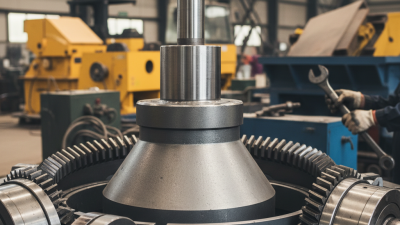
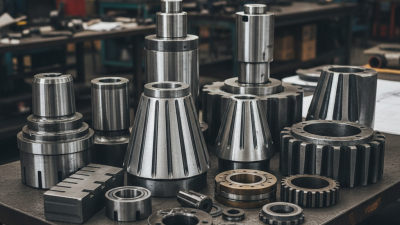
Cone Crusher Parts are vital for the efficiency and longevity of a cone crusher. These components ensure proper functioning and help prevent costly breakdowns. Any issue with these parts can lead to decreased productivity and increased downtime.
Understanding the key parts of a cone crusher is essential. Each element, from the mantle to the concave, plays a unique role. For instance, the mantle wears down over time, requiring regular inspection and replacement. This wear impacts the crusher's performance.
Moreover, neglecting the smaller components can lead to bigger problems. Bearings, seals, and other related parts may seem insignificant, yet they are crucial. Inadequate attention to these components can cause extensive damage. By knowing these essential Cone Crusher Parts, operators can maintain optimal performance and avoid regret later on.
Understanding the Cone Crusher: A Brief Overview of Its Functionality
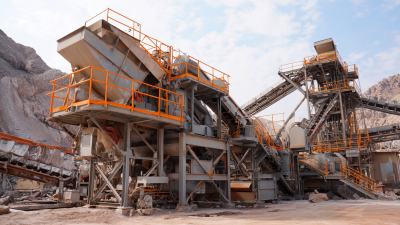
Cone crushers play a critical role in mineral processing. These machines crush various materials, from hard rock to gravel. Understanding their functionality helps in optimizing productivity. Cone crushers work by using a rotating mantle that compresses materials against a stationary bowl. This action creates a cubical output with a consistent size.
According to recent industry reports, cone crushers account for nearly 30% of all crusher sales. They are preferred for their efficiency and versatility. However, improper usage can lead to significant wear on components. Common issues include overloading and incorrect settings. These problems can lead to costly downtime.
Moreover, the design of cone crushers can pose challenges. For instance, the chamber design impacts the shape and size of crushed material. Many operators overlook the importance of maintaining optimal settings. Regular checks and adjustments are essential for peak performance. Investing in training and knowledge can maximize operational efficiency.
Essential Cone Crusher Parts You Need to Know
This bar chart illustrates the importance level of various essential parts of a cone crusher. The data represents the relative significance of components such as the mantle, concave, and hydraulic system in the functionality of the cone crusher.
Key Components of a Cone Crusher: An Overview of Essential Parts
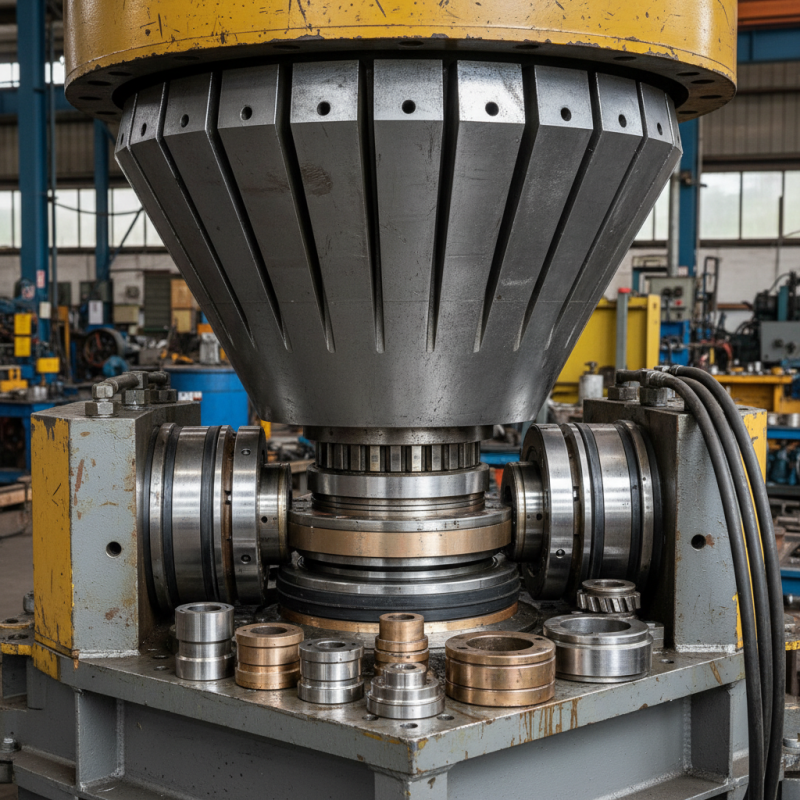
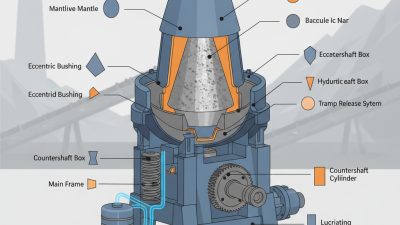
When discussing the key components of a cone crusher, understanding its essential parts is crucial for optimal performance. The main parts include the crushing chamber, mantle, bowl liner, and eccentric assembly. Each plays a vital role in the crushing process. The mantle and bowl liner create the space where the rocks are crushed. Their proper alignment is necessary for effective crushing.
Studies suggest that nearly 30% of crusher failures stem from wear and tear of these components. Regular inspections can help identify issues early. Implementing a maintenance schedule improves not only equipment lifespan but also productivity.
**Tip:** When replacing the mantle and bowl liner, choose materials designed for specific crushing tasks. This enhances efficiency and reduces premature wear. Avoiding generic components may save costs in the long run.
The eccentric assembly controls the movement of the mantle. Its precision is key to delivering consistent results. A misaligned eccentric can lead to uneven wear, impacting the entire operation. It's essential to ensure this part is functioning correctly.
**Tip:** Regularly check the eccentric bearings for wear. Early detection can prevent costly downtime. Taking these steps can lead to smoother operations and more reliable crushing.
The Role of the Mantle in Cone Crushers: Importance and Function
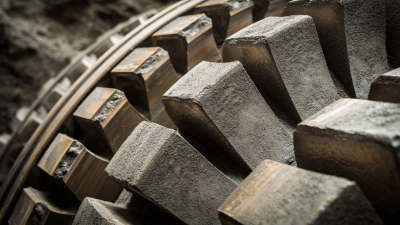
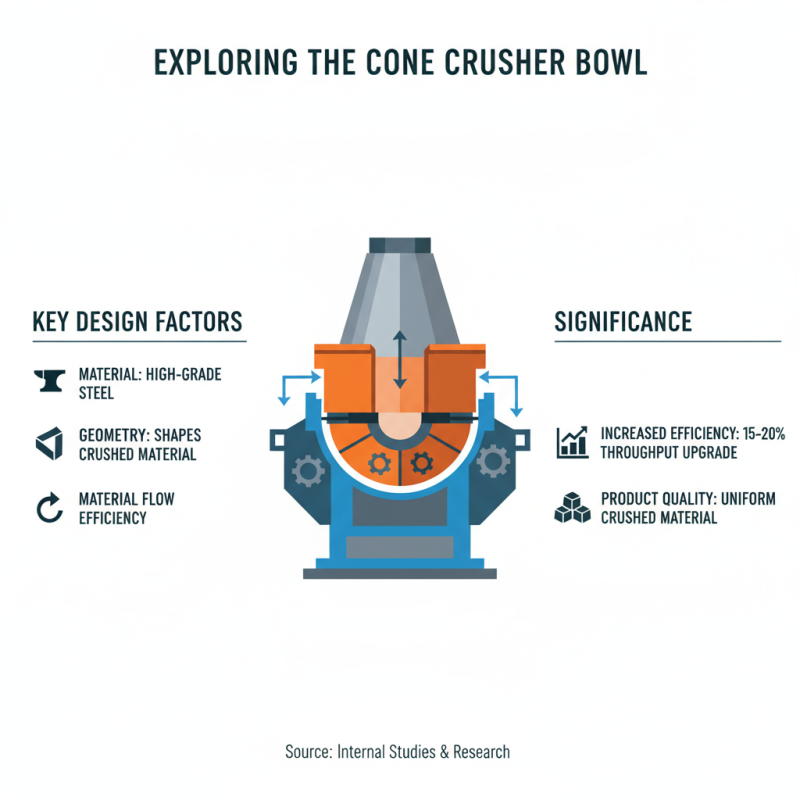
The mantle is a crucial component of a cone crusher, impacting both efficiency and longevity. This part is responsible for crushing the material against the stationary bowl liner. According to industry reports, the performance of the mantle can affect the overall output by up to 30%. When wear occurs, it can lead to inconsistent product sizing and increased operational costs.
Proper maintenance of the mantle is essential. Operators must monitor wear patterns closely. If the mantle wears unevenly, it can cause the entire crushing process to become less effective. Studies indicate that replacing the mantle at optimal intervals can reduce downtime by 15% and improve throughput. However, replacing it too early may lead to unnecessary expenses.
Operators often overlook the importance of selecting the right material for the mantle. The type of steel and its treatment can greatly affect durability. If the mantle fails to meet specific hardness requirements, it may wear out more quickly. Regular inspections and adjustments to the operation can help identify signs of distress early. This attention to detail can ultimately enhance performance and reduce costly repairs in the long run.
Maintenance Tips for Cone Crusher Parts: Ensuring Longevity and Efficiency
When it comes to maintaining a cone crusher, understanding its parts is crucial. Regular inspections can prevent sudden failures. According to industry reports, approximately 60% of crusher downtime stems from maintenance issues. Ensuring that wear parts, like liners and mantles, are properly monitored can minimize disruptions. Their wear rates can vary significantly depending on the material processed. For example, hard rock can cause rapid wear, necessitating more frequent replacements.
Routine maintenance practices enhance efficiency. Lubrication is vital; it reduces friction and prolongs component life. A study indicated that proper lubrication can improve operational efficiency by up to 20%. Operators should also check for misalignments in the crusher. Misalignment may lead to uneven wear and increased energy consumption. This not only shortens life expectancy but can drastically raise operational costs.
Cleaning and regular replacements are non-negotiable. Debris can impede function and lead to costly repairs. Inspections every month should include checking for cracks or signs of fatigue. Even a small crack can escalate if not addressed. Adopting a proactive approach yields better outcomes in performance and costs.