Inquiry
Form loading...

10 Essential Tips for Choosing the Right Jaw Crusher Part for Your Needs

Choosing the right Jaw Crusher Part is crucial for optimal performance in mining and construction applications. The reliability of these components directly impacts your operation. Selecting the appropriate part can enhance efficiency and extend the lifespan of your equipment. However, many factors complicate this process.

Understanding the specific needs of your operations is vital. Key considerations include material types and the crushing environment. Not all Jaw Crusher Parts are created equal. Quality varies significantly across brands and suppliers. Therefore, extensive research is necessary.

It's easy to overlook details. Using the wrong Jaw Crusher Part can lead to frequent breakdowns and costly repairs. You must strike a balance between quality and affordability. Evaluating supplier expertise can also influence your decision. Trustworthy suppliers provide insights and guarantee support. Make sure to learn from past mistakes. Investing time in this process pays off in the long run.
10 Essential Tips for Choosing the Right Jaw Crusher Part for Your Needs

Understanding the Different Types of Jaw Crusher Parts and Their Functions

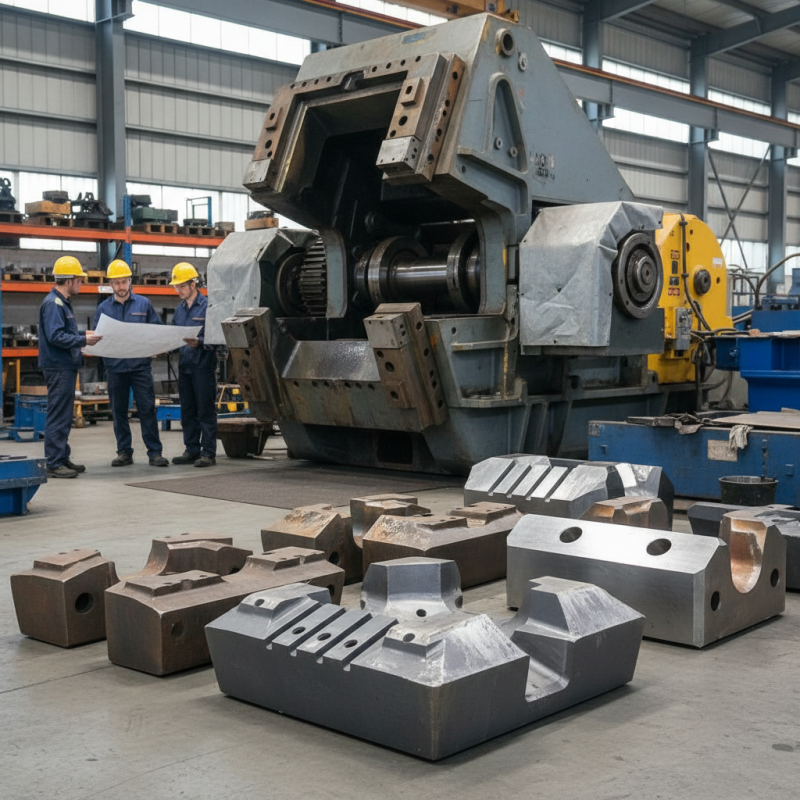
Understanding the various types of jaw crusher parts is crucial for effective operation. Each part plays a specific role, contributing to the overall efficiency of the machine. The most notable components include the jaw plates, pitman, and toggle plate. Jaw plates are essential for crushing the material; they come in different materials, affecting durability and wear resistance. Choosing the right material can dramatically influence the lifespan of these plates.

The pitman serves as the backbone of the jaw crusher, as it connects the movable jaw to the frame. A robust pitman can withstand extreme forces during operation. If improperly selected, this part may fail prematurely, leading to costly downtime. The toggle plate, while often overlooked, is vital as it helps facilitate the movement of the jaw. A worn toggle plate can alter the crushing cycle, reducing efficiency.

Investing time in understanding these parts helps avoid common pitfalls. Many operators overlook the importance of compatibility and wear patterns. Neglecting these can lead to incorrect replacements. This ultimately affects the machine's performance. It's essential to consider the specific requirements of your operation when choosing parts. Each choice impacts productivity and costs significantly. An informed decision will ensure smoother, more efficient operations.
Evaluating Material Compatibility for Enhanced Jaw Crusher Performance

Choosing the right jaw crusher part requires careful evaluation of material compatibility. It's essential to understand the materials you will crush. Harder materials like granite demand more durable components. Conversely, softer materials like limestone may require less robust parts. This distinction can guide your selection process. If the material type is misjudged, it can lead to premature wear and damage.

Paying attention to the composition of the wear parts is crucial. Different alloys provide varying levels of hardness and toughness. A mismatched part can affect performance and increase costs. Consider how these factors influence maintenance schedules. Parts that wear out quickly lead to unplanned downtimes and lost productivity. Assessing your operational demands thoroughly minimizes these risks.

While selecting, consider consulting with industry experts or resources. Their insights can clarify complex decisions. Sometimes, you may think you've made the right choice, only to encounter issues later. Keep a record of the performance and adjust your selection based on this feedback. Learning from previous experiences can enhance your decision-making in future purchases.

Key Specifications to Consider When Selecting Jaw Crusher Parts

Choosing the right jaw crusher parts requires careful consideration of specific features. One key specification is the material used in the construction of the parts. High-quality materials ensure durability and performance. Common options include manganese steel and alloy steel, each offering unique benefits.

Another critical aspect is the size and fit of the parts. Proper dimensions guarantee seamless integration with your existing equipment. This prevents operational issues and minimizes wear. Additionally, compatibility with various models can be vital for flexibility in parts replacement.

Finally, focus on the performance characteristics. Some parts provide higher resistance to impacts, while others excel in crushing efficiency. Understanding the trade-offs between these factors can lead to more informed choices. Reflecting on these elements can uncover potential pitfalls in your decision-making process.

10 Essential Tips for Choosing the Right Jaw Crusher Part for Your Needs

Specification Description Importance
Material The composition of the part, affecting durability. High importance for longevity.
Size Dimensions of the part; must fit your crusher model. Critical for functionality.
Weight Weight of the component impacts handling and support. Moderate importance for setup.
Hardness The capability to withstand wear and tear. High importance for high-throughput operations.
Compatibility Ensures the part fits with existing equipment. Essential for operational efficiency.
Manufacturing Process How the part is produced affects quality. Moderate importance for reliability.
Maintenance Needs Frequency of required maintenance and inspection. High importance for long-term performance.
Cost The price of the part, impacting overall budget. Moderate importance for budget management.
Supplier Reputation Reliability and reviews of the part supplier. High importance for trustworthiness.
Warranty Duration and coverage of warranty offered. Significant for peace of mind.

The Importance of Sourcing Quality Jaw Crusher Parts from Reputable Suppliers

When selecting jaw crusher parts, sourcing from reputable suppliers is crucial. Quality components directly impact equipment performance, maintenance schedules, and operational costs. According to industry reports, up to 30% of operational downtime can be attributed to subpar parts. Reliable suppliers ensure their products meet or exceed industry standards, enhancing the safety and efficiency of your operations.

Many manufacturers offer warranties and certifications. These can reflect their commitment to quality. However, not all warranties are created equal. Some may only cover defects rather than performance issues, which is a common concern. It’s essential to verify a supplier's track record and customer reviews for better insight into their reliability. A detailed analysis of product failure rates can be helpful, as reports indicate that poor-quality parts may lead to increased wear and reduced lifespan.

Moreover, pricing can often signify quality. Low cost might mean compromised materials. Analyzing the materials and manufacturing processes can help mitigate risks associated with poor choices. Sites like the International Journal of Engineering Research report that quality parts can prolong equipment lifespan by up to 25%. This puts significant savings in maintenance and replacement costs into perspective, emphasizing the importance of sourcing from trustworthy suppliers.

Jaw Crusher Parts Quality Assessment

This bar chart illustrates the critical factors in assessing the quality of jaw crusher parts. Each factor is scored from 1 to 10, reflecting its importance in the selection process. Ensuring high scores in these areas can lead to better performance and longevity of your jaw crusher.

Analyzing Cost-Effectiveness: Balancing Quality and Price in Jaw Crusher Parts

10 Essential Tips for Choosing the Right Jaw Crusher Part for Your Needs

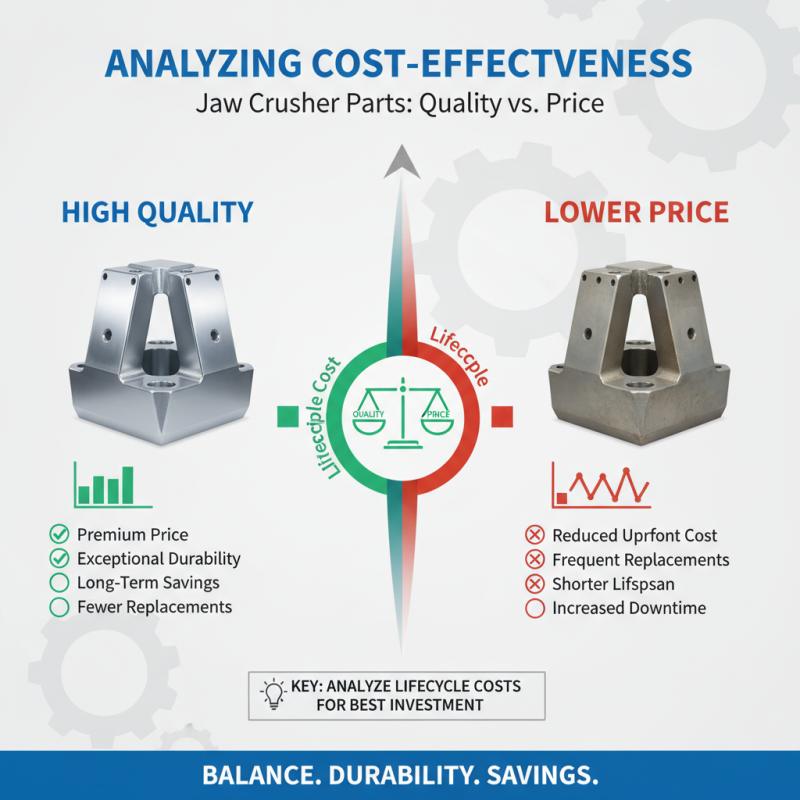
When selecting jaw crusher parts, cost-effectiveness is crucial. It's essential to balance quality and price. Higher quality parts may come at a premium, but their durability can lead to long-term savings. Conversely, cheaper options may save upfront costs but result in frequent replacements. Analyzing lifecycle costs can help identify the best investment.

Understanding the materials used in parts is key. Steel types vary in strength and wear resistance. Consider how each material performs under your specific working conditions. Pay attention to user reviews and expert opinions online. They provide insights on durability and performance.

Lastly, don’t overlook the manufacturer’s reputation. Established manufacturers often offer better quality assurances. However, even lesser-known brands can provide valuable options. Keep an open mind but remain critical. Analyze their specifications closely. This balanced approach can guide you to make informed decisions.