Top Factors to Consider When Buying Mining Machinery Jaw Plate?
When investing in Mining Machinery Jaw Plate, several critical factors come into play. Jane Smith, a renowned expert in mining equipment, emphasizes, “Choosing the right jaw plate can dramatically impact overall efficiency.” Her insights underline the importance of careful research before making purchases.
The mining industry demands robust and reliable equipment. A quality jaw plate ensures longevity and optimal performance in crushing operations. Durability and material quality stand out as essential criteria. For instance, manganese steel plates, known for their hardness and resistance to wear, are often preferred. Potential buyers must analyze these properties thoroughly to avoid costly mistakes.
Moreover, costs and supplier reputations should not be overlooked. A lesser-known supplier might offer lower prices but could compromise quality. Buyers should reflect on their choices. Are they prioritizing cost over quality in a competitive market? This reflection can lead to better long-term investments in Mining Machinery Jaw Plate.
Key Features of Mining Machinery Jaw Plates to Evaluate
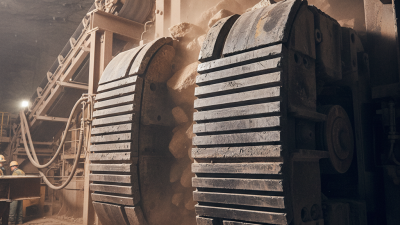
When evaluating mining machinery jaw plates, focus on durability and material composition. Research indicates that high-manganese steel is crucial for optimal performance. This steel can withstand significant wear and impact, essential in heavy-duty applications. A report by Mining Weekly highlights that jaw plates made from premium materials can last up to 30% longer than standard options.
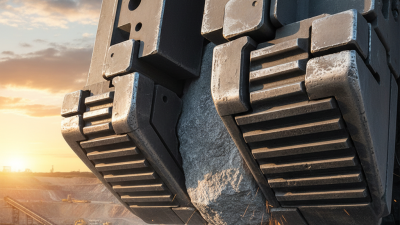
Consider the design features as well. The shape of the jaw plate significantly influences the crushing process. Specific geometry can enhance the efficiency of material throughput. A study from the International Journal of Mining Science revealed that properly designed plates improve the crushing efficiency by 15%. Weight distribution in the design also matters. Uneven weight can lead to premature wear, affecting productivity.
Lastly, compatibility with existing machinery is vital. Ensure the jaw plates fit your equipment specifications. A mismatch can lead to operational failures and costly downtime. Regular inspections are advisable to assess wear patterns. This helps in making informed decisions about replacements based on actual performance data rather than assumptions.
Material Types and Durability Considerations for Jaw Plates
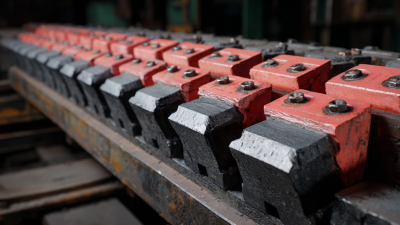
When selecting jaw plates for mining machinery, the material type is crucial. Common materials include manganese steel, high chrome iron, and alloyed steel. Each offers unique benefits. Manganese steel is popular due to its high impact strength and ductility. Industry reports show that manganese steel can increase durability by up to 50% compared to standard steel. However, it may require frequent replacements in abrasive environments.
Durability considerations also extend to the wear pattern. Jaw plates experience significant stress during operations. A report from the Mining Equipment Industry outlines that the average lifespan of jaw plates ranges from 2,000 to 12,000 hours. Factors like hardness, subject matter, and maintenance play vital roles. Some operators note that neglecting regular inspections leads to premature wear. Thus, understanding specific operational conditions is essential for optimizing jaw plate performance.
Another factor to keep in mind is the production process. Heat treatment can enhance wear resistance. Some manufacturers claim that post-treatment processes improve hardness without sacrificing toughness. However, not all processes are equal. Inconsistencies can lead to performance issues. It is necessary to weigh these variables carefully before making a purchase decision.
Size and Compatibility: Matching Jaw Plates to Your Equipment
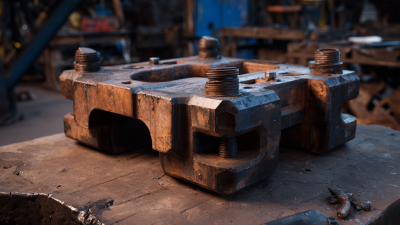
When considering jaw plates for mining machinery, size and compatibility are crucial factors. The right jaw plate must match the specifications of your equipment. Different machines have unique dimensions and design features. According to industry reports, a mismatch can lead to inefficiencies. This often results in increased wear and tear, ultimately affecting productivity.
For instance, data shows that a poorly fit jaw plate can reduce crushing efficiency by up to 20%. This inefficiency not only hampers output but also increases operational costs. Measuring dimensions accurately is paramount. Width, height, and width between chevrons are key specifications. Each of these dimensions affects how well the jaw plate performs in the crushing process.
Additionally, materials used in manufacturing jaw plates matter. They impact durability and performance. A well-fitted jaw plate made from high-quality materials can last longer. However, even minor deviations in size can lead to significant problems over time. It's essential to ensure compatibility with your existing machinery. Thorough checks on dimensions and materials save time and money, preventing costly downtimes in operations.
Cost Factors: Pricing Strategies and Budgeting for Jaw Plates
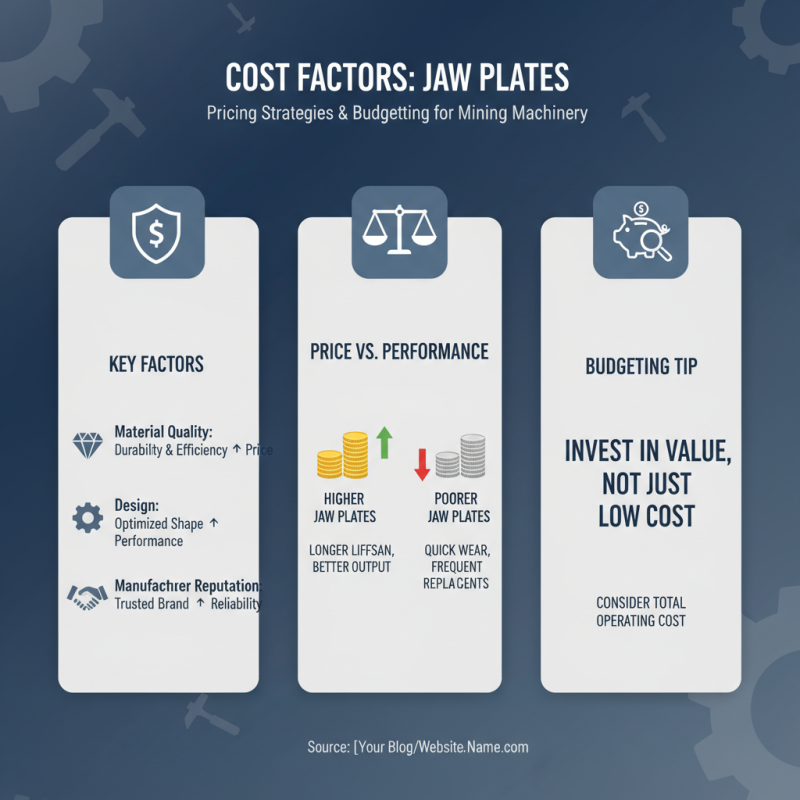
When purchasing jaw plates for mining machinery, cost factors are crucial. Understanding pricing strategies can help you make informed decisions. Prices vary based on material quality, design, and manufacturer reputation. Quality jaw plates often cost more due to their durability and efficiency. However, lower prices can signal poor performance and quick wear.
Consider the total cost of ownership. Cheaper options may require frequent replacements. This can lead to higher long-term expenses. If budgeting is tight, it might be tempting to go for the cheapest option. But a wise choice prioritizes value over price.
Tips: Always request quotes from multiple suppliers. This helps you gauge the market rate. Also, check for warranties. A good warranty can offset future costs. Compare performance metrics as well. Investing in a reliable product can save you headaches down the line. Reflect on long-term needs versus short-term savings. Balancing quality and cost is essential.
Maintenance and Replacement: Longevity and Service Considerations
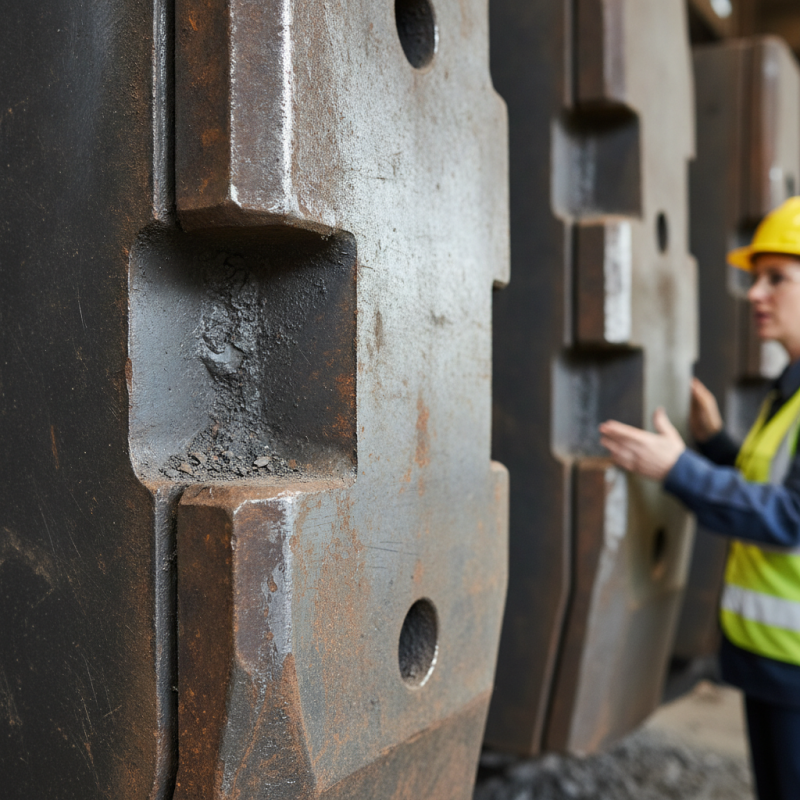
When selecting a jaw plate for mining machinery, maintenance and replacement are crucial factors. A well-maintained jaw plate can significantly extend the lifespan of your equipment. Regular inspections help identify wear and tear早. Ensure you replace parts before they fail. This proactive approach saves time and reduces unexpected downtime.
Choosing materials that enhance durability is vital. Opt for high-quality steel that resists cracking and premature wear. Pay attention to the operating environment, as factors like temperature and material type can impact longevity. Inspect the jaw plate’s fit regularly. A poor fit can lead to operational inefficiencies and more frequent replacements.
Tip: Keep a maintenance log. Documenting each inspection helps track performance and predict when replacements may be needed. This knowledge fosters better planning.
Tip: Train your team on proper usage. Understanding how to operate the machinery effectively can minimize damage to the jaw plate. Regular training sessions can pay off in the long run.
Remember, not all jaw plates are created equal. Evaluate your specific needs and consider the trade-offs of cost versus durability. Investing in quality might seem high initially, but the long-term benefits can outweigh these costs.