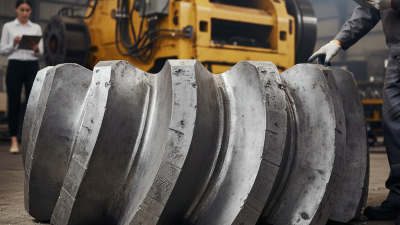
The Cone Crusher Mantle is a vital component in the crushing process. It plays a crucial role in determining the efficiency and performance of the crusher. Understanding its function can enhance your operational insights.
Many people overlook the significance of the Cone Crusher Mantle. It withstands extreme conditions and wear over time. Inadequate knowledge can lead to operational challenges and costly downtime.
Knowing key facts about the Cone Crusher Mantle is essential for optimal performance. For instance, variations in design can significantly affect the crushing outcome. Awareness of these details can guide better maintenance practices.
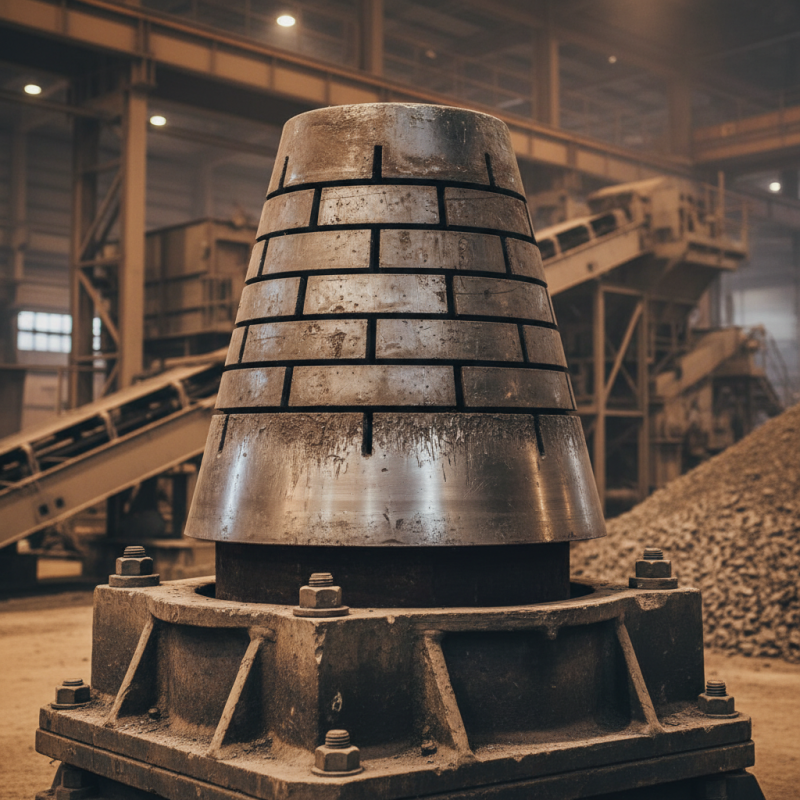
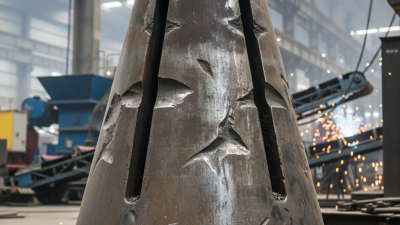
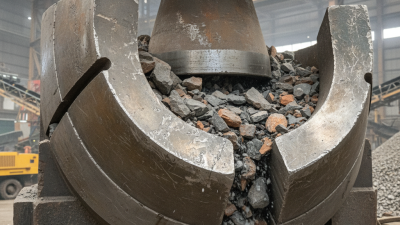
The cone crusher mantle plays a crucial role in the function of a cone crusher. This component is the moving part of the crushing chamber. It oscillates, crushing the material against the cone's stationary part. With each rotation, the mantle also helps to ensure consistent and efficient material reduction.
Made from durable materials, the mantle endures extreme wear and tear. This durability is essential for sustaining prolonged operations. However, it’s not invincible. Gradually, it wears down and may require replacement. Operators need to regularly inspect the mantle to avoid machine failure. Ignoring signs of wear can lead to more extensive damage within the crusher.
Understanding the mantle's design can improve maintenance strategies. It shapes the crushed material's output size, directly impacting productivity. A well-functioning mantle contributes to efficient operations. However, misalignment or excessive wear can reduce efficiency and affect overall performance. Regular checks and adjustments are essential for optimal function. Each detail matters in maintaining a healthy crushing cycle.
| Fact Number | Fact | Importance | Material Used |
|---|---|---|---|
| 1 | The mantle is the moving part of the cone crusher. | Crucial for crushing action. | High manganese steel |
| 2 | It plays a vital role in the size reduction process. | Direct impact on product size. | Alloy steel |
| 3 | The shape of the mantle affects the efficiency of the crusher. | Enhances throughput rates. | Chrome-moly steel |
| 4 | Common wear parts need regular inspection. | Prevents unexpected downtimes. | Manganese alloy |
| 5 | Maintaining proper distance between the mantle and the cone is crucial. | Affects crushing effectiveness. | High-carbon steel |
| 6 | Different designs exist for various applications. | Optimizes performance based on material. | Various alloys |
| 7 | The mantle is subjected to significant stress. | Directly impacts lifespan. | Heat-treated steel |
| 8 | Regular maintenance extends the life of the mantle. | Reduction in operating costs. | Specialized alloys |
| 9 | Sweep is an essential aspect of the mantle's action. | Improves material handling. | Weather-resistant materials |
| 10 | Emerging technologies are enhancing mantle durability. | Future-proofing investments. | Advanced composite materials |
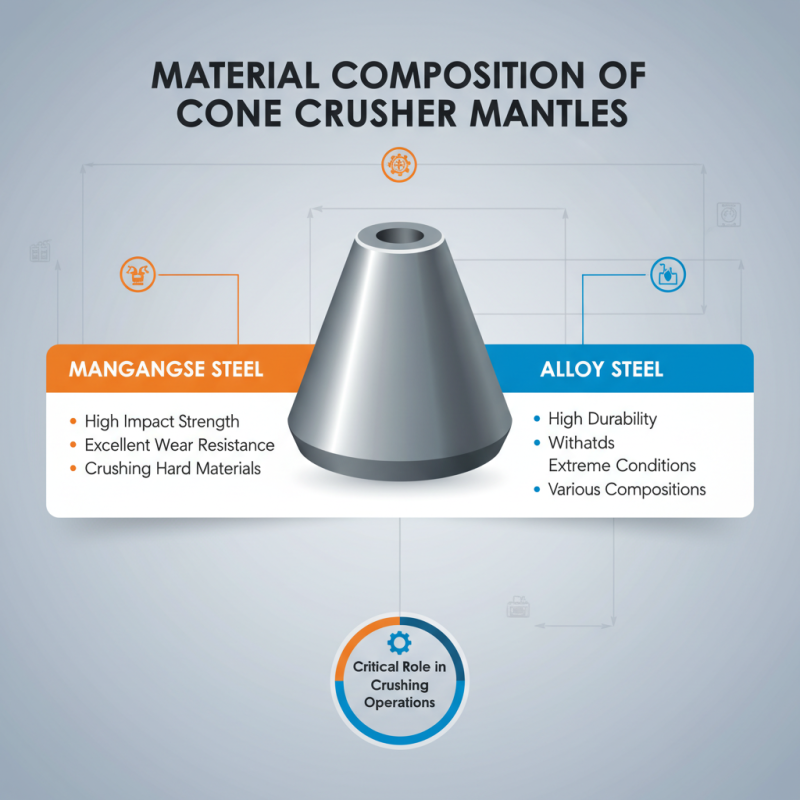
Cone crusher mantles play a critical role in the operation of a cone crusher. They are primarily made from high-quality materials to withstand extreme conditions. The most common materials used are manganese steel and alloy steel. Manganese steel is known for its high impact strength and wear resistance. It can endure the significant stress of crushing hard materials.
However, not all mantles are created equal. The composition can vary significantly, affecting durability. Alloy steel mantles offer enhanced performance under certain conditions. They typically withstand high temperatures better than manganese steel. But, they may not have the same wear resistance. This could lead to more frequent replacements, impacting operational efficiency.
Understanding the specifics of material composition is essential for choosing the right mantle. Factors such as the material being processed and the crusher's operational parameters matter. Selecting a suitable mantle requires careful consideration. Poor choices can result in increased downtime and additional costs. Attention to detail in the selection process can improve overall productivity.
Cone crusher mantles play a crucial role in the crushing process. They directly affect the efficiency and performance of the machine. A well-designed mantle helps in achieving optimal crushing results. The shape and material of the mantle influence how effectively it crushes rocks and minerals. A worn or poorly shaped mantle can lead to uneven wear and reduced efficiency. This highlights the importance of regular maintenance.
The angle of the mantle also matters. A steeper angle can offer better crushing action, while a flatter angle may allow for a quicker throughput. Operators often overlook these details, which can result in inefficiencies. Inconsistent feeding of materials can also cause uneven strain on the mantle. This inconsistency can lead to premature wear and unexpected downtime.
Understanding these factors is essential. Suboptimal performance not only leads to increased costs but also hampers productivity. Operators should closely monitor the condition of the mantle regularly. Minor adjustments can lead to significant improvements in efficiency. Recognizing these nuances can ultimately enhance the overall performance of the cone crusher.
Cone crusher mantles play a crucial role in the crushing process. Their job is to crush rocks into manageable sizes. Regular maintenance can significantly extend their lifespan. Keeping an eye on wear patterns helps identify when replacement is necessary. Inspecting the mantles can prevent costly downtime.
Leveraging proper lubrication is essential. Ensure that oil levels are adequate to minimize friction. A well-lubricated mantle operates more efficiently. For optimal performance, conduct routine checks on the lubrication system. It’s easy to overlook these details, but neglect can lead to serious issues.
Finally, monitor the machine's operational settings. Adjustments to the discharge settings may be necessary as the mantle wears down. Ignoring these changes can result in poor grinding efficiency. A little vigilance goes a long way in ensuring the longevity of your cone crusher mantles. Always seek ways to improve maintenance practices, even if they seem minor. Every effort counts in this industry.
Cone crusher mantles play a crucial role in the efficiency of crushing operations. However, they often face common issues that can affect performance. One major problem is unusual wear patterns. This can lead to decreased output and increased costs.
Monitoring mantle wear is essential. Operators should perform regular inspections. Look for signs of uneven wear or cracks. These issues can indicate improper adjustment or underlying mechanical problems. If noticed early, corrective actions can be taken to prevent further damage.
Keeping the mantle properly adjusted is another key factor. An over-tightened mantle can cause excessive wear. Conversely, a loose mantle may lead to inefficient crushing. It’s important to find the right balance. Regularly check the adjustments to maintain optimal performance.
Tips: Always document wear patterns to identify trends in your equipment. This data can guide maintenance decisions. Additionally, consider using feeding methods that evenly distribute material to reduce concentrated wear on the mantle. Proper care and awareness can extend the life of your cone crusher mantle significantly.