What is Fixed Jaw and How Does it Impact Your Machinery?
In manufacturing and heavy machinery, the role of the "Fixed Jaw" is often underappreciated. This component serves as a crucial part of various machinery, particularly in crushing and jaw separation processes. According to recent industry reports, machinery downtime can lead to a loss of up to 15% in annual revenue, emphasizing the importance of well-functioning parts like the Fixed Jaw.
A well-maintained Fixed Jaw ensures operational efficiency and reduces wear on other components, leading to longer machinery life. Yet, research shows that up to 30% of machinery issues stem from overlooked parts. This statistic highlights the need for thorough inspections and maintenance. Without proper attention, the Fixed Jaw can contribute to significant operational failures, prompting serious reflection on machinery management practices.
The Fixed Jaw is not merely a static piece; its design and condition directly affect production output. As industries advance, understanding its impact will be vital. Companies should prioritize assessments to improve overall reliability. By recognizing the Fixed Jaw's role, organizations can enhance performance and reduce costs associated with machinery failures.
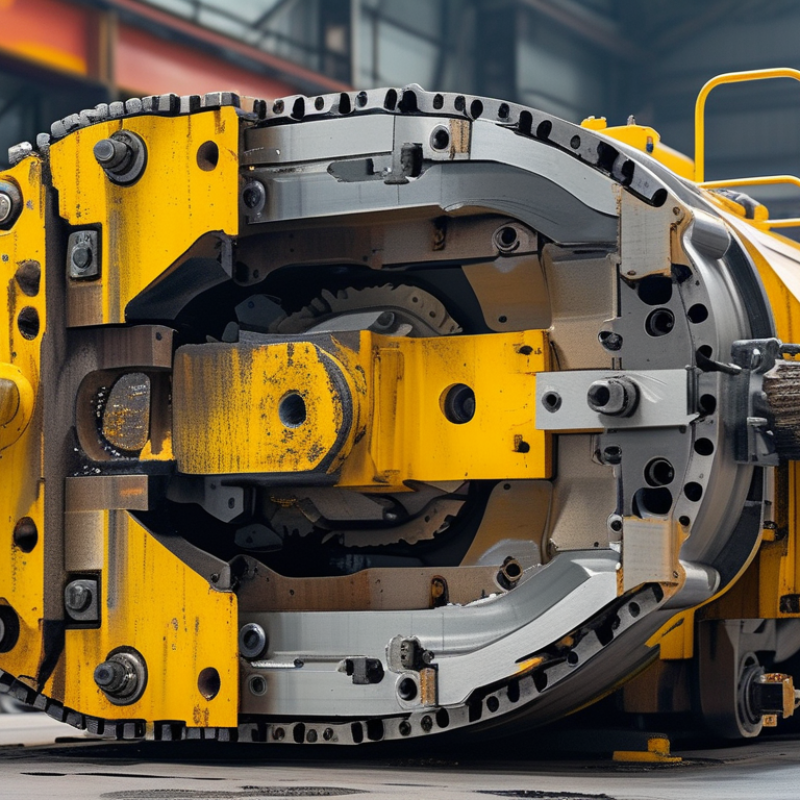
What is a Fixed Jaw in Machinery?
In machinery, a fixed jaw plays a crucial role in various applications, especially in
crushing and grinding processes. It is designed to hold material in place while it is being processed.
The stability provided by a fixed jaw ensures that the material is efficiently crushed or ground,
maximizing output. According to a study by the International Journal of Mechanical Engineering,
machinery that utilizes a fixed jaw can improve efficiency by up to 20%,
highlighting its importance in operations.
Fixed jaws are typically made of high-strength materials, allowing them to withstand significant
wear and tear. These components are essential for maintaining proper alignment and preventing
excessive vibrations during operation. A report by the American Society of Mechanical Engineers
indicates that poorly maintained fixed jaws can lead to increased downtime and maintenance costs,
impacting overall productivity. Regular inspections and timely replacements are necessary to uphold
performance standards.
While the advantages of fixed jaws are clear, there are challenges as well. Misalignment issues can
arise if wear is not monitored closely, leading to suboptimal performance. In some cases, the
complexity of replacing a fixed jaw can deter timely maintenance. These factors emphasize the
need for careful consideration in the machinery design process. Employing
best practices in maintenance and material selection can mitigate potential risks.
Components and Functionality of a Fixed Jaw
The fixed jaw is a crucial component in various machinery, particularly in crushing equipment. Its primary function is to provide a stable structure against which the movable jaw can crush materials. In rock and mineral processing, the fixed jaw minimizes vibration and ensures consistent crushing forces. Industry reports indicate that a well-designed fixed jaw can enhance the overall efficiency of the machinery by up to 30%.
Material selection for the fixed jaw is equally important. Most fixed jaws are made from high-strength alloys, which can endure harsh working conditions. However, wear over time can lead to diminished performance. A study revealed that maintaining the fixed jaw can result in a 15% increase in lifespan, highlighting the need for routine inspections and wear assessments.
While the fixed jaw appears simple, its impact is profound. Operators often overlook the significance of alignment. Misalignment can cause uneven wear and increased operational costs. Regular adjustments and proper maintenance routines may help mitigate these issues, ensuring longevity and efficiency. Ultimately, understanding the fixed jaw's functionality leads to better operational decisions and machinery longevity.
Impact of Fixed Jaw Design on Equipment Performance
The fixed jaw plays a crucial role in various types of machinery, particularly in crushing and grinding equipment. Its design directly impacts the equipment's performance, efficiency, and durability. A well-engineered fixed jaw can enhance the crushing process by maximizing material contact. This increases the efficiency and results in better throughput. Material selection is also vital; using robust materials can prevent wear and ensure longevity.
However, not all fixed jaws are designed equally. Design flaws may lead to uneven wear patterns. These issues could compromise the machine's performance over time. For instance, if the jaw lacks proper alignment, it may result in suboptimal crushing forces. Operators often overlook these factors, leading to costly downtime. Regular inspection and maintenance of fixed jaws are essential yet frequently neglected.
Moreover, the geometry of the fixed jaw affects the quality of the crushed material. A poorly designed jaw might lead to over-grinding or under-grinding. This inconsistency can alter product specifications. Addressing these challenges requires a deep understanding of the mechanical principles at play. Continuous improvement in fixed jaw design is necessary for achieving enhanced performance in machinery.
Common Industries Utilizing Fixed Jaws
Fixed jaws play a crucial role in various industries, often serving as essential components in machinery. These components provide stability and precision in processes like crushing, pressing, and machining. Their design helps maintain consistent material alignment, which is vital for optimal production efficiency. They are most commonly found in industries such as mining, recycling, and construction.
In the mining sector, fixed jaws are integral in crushing rocks and minerals. They withstand immense pressure and force, ensuring that materials are broken down efficiently. Similarly, in the recycling industry, fixed jaws help in processing metals and plastics, enhancing the quality of recycled products. Construction businesses leverage fixed jaws in equipment that cuts and shapes materials. The need for precision and durability in these sectors cannot be overstated.
However, these components can wear down over time, necessitating regular inspections and replacements. Machinery operators must remain vigilant about signs of wear and tear. Sometimes, despite robust designs, fixed jaws might not perform as expected under certain conditions. This unpredictability can impact production rates and costs. Understanding these challenges is important for optimizing machinery performance and minimizing downtime.
Maintenance Tips for Fixed Jaw Systems
Fixed jaw systems play a crucial role in machinery performance. Regular maintenance is essential for optimal operation. Begin by routinely inspecting the fixed jaw for wear and tear. Look for cracks or signs of fatigue in the material. Neglecting these issues can lead to equipment failure.
Lubrication is vital. Ensure that all moving parts of the fixed jaw system are adequately lubricated. This reduces friction and extends the life of the components. However, over-lubrication can attract dirt and dust, which may cause damage. It's important to find a balance.
Pay attention to alignment. Misalignment can cause uneven wear on the fixed jaw. Regularly check that the jaw is properly aligned within the machinery. Adjustments may be necessary to prevent long-term damage. Document findings during inspections. This record helps track performance over time and identifies recurring issues.