Top Jaw Crusher Plate Material Types for Optimal Performance?
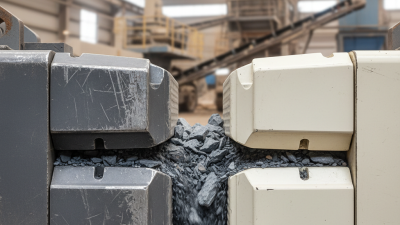
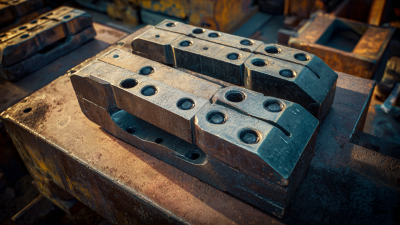
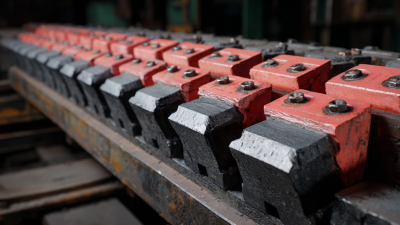
The effectiveness of a jaw crusher heavily relies on the quality of its components, particularly the jaw crusher plate material. Industry expert Dr. Emily Sanders once stated, "Choosing the right jaw crusher plate material can elevate performance and extend equipment life." This emphasizes the significance of material selection in optimization.
Various materials are used for jaw crusher plates, including manganese steel, high chrome iron, and other alloys. Manganese steel is known for its hardness and wear resistance. However, it can be prone to certain types of failures. High chrome iron offers good abrasion resistance but may lack ductility. Selecting the best material is critical to balance durability with performance needs.
Understanding jaw crusher plate material is essential for operators and manufacturers alike. It opens discussions around enhancements in mining and construction industries. The journey toward optimal performance requires continuous assessment and innovation. It's not merely about current options but also anticipating future needs. As technology evolves, so should the materials we utilize.
Types of Jaw Crusher Plates and Their Role in Crushing Efficiency
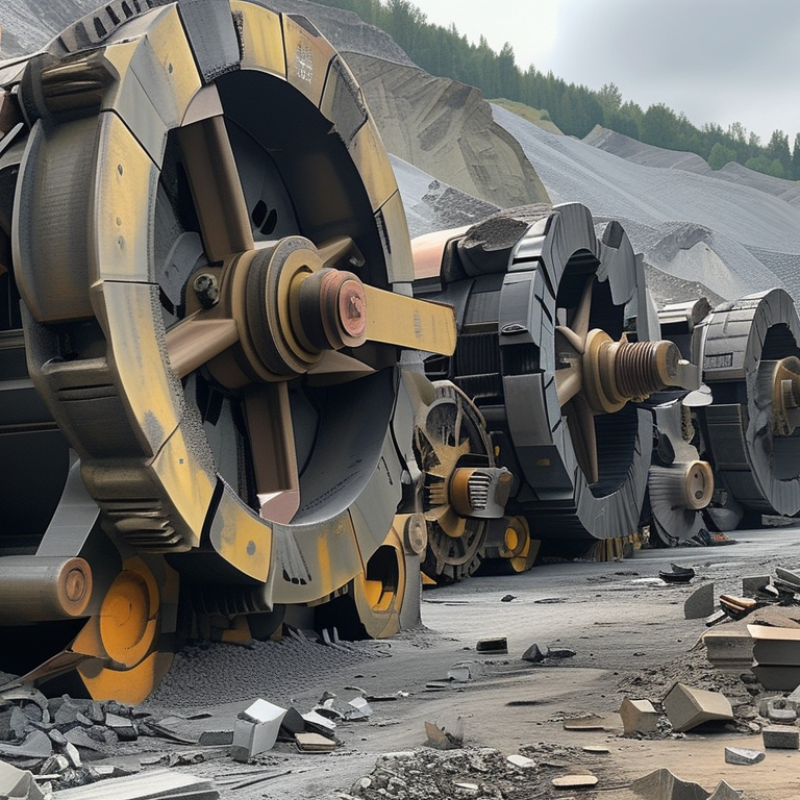
Jaw crusher plates play a crucial role in the crushing process. Their primary function is to break down materials into smaller pieces. The efficiency of this process is heavily influenced by the type of material used in these plates. Common materials for jaw crusher plates include manganese steel, carbon steel, and alloy steel. Each type offers unique benefits and durability levels.
Manganese steel is widely known for its high impact strength. It provides extended wear resistance, allowing for consistent performance. However, it can be costlier compared to other materials. Additionally, carbon steel is often more affordable, yet it may wear out quicker. This can lead to frequent replacements, which disrupt workflow. Alloy steel, combining various elements, balances strength and wear resistance, but optimal performance depends on proper treatment and care.
Choosing the right jaw crusher plate material significantly impacts crushing efficiency. Understanding these materials fosters informed decisions during equipment selection and maintenance. Frequent inspections can prevent unexpected downtime. Ultimately, balancing cost and performance requires careful thought.
Material Composition of Jaw Crusher Plates: Key Factors to Consider
When discussing jaw crusher plates, the material composition plays a crucial role in performance. Typically, these plates are made from high manganese steel. This material is ideal for its hardness and toughness. However, it can be prone to brittleness under certain conditions, leading to unexpected failures.
Choosing the right material requires careful consideration. Some options include low alloy steel, which offers good impact resistance. Meanwhile, ceramic-based materials are gaining traction for their durability and lightweight properties. Each material has strengths and weaknesses based on the specific application.
Tip: Regularly check the wear patterns on your jaw plates. This can help identify when replacements are necessary.
Cost is another factor. While high-quality materials may be pricier, they often yield better longevity. It's vital to balance upfront costs with long-term performance and maintenance. Analyzing operational conditions can provide insights into the best material choices for your needs.
Tip: Keep a log of plate performance over time. This can guide future purchases and design modifications.
Comparative Analysis of Jaw Crusher Plate Durability and Wear Resistance
In the competitive field of mining and construction, the material used for jaw crusher plates is crucial. Numerous studies have highlighted the importance of selecting optimal materials for durability and wear resistance. For instance, a report from the International Journal of Mining Science showed that manganese steel plates can endure wear better than other materials in harsh conditions. However, they may not always provide the best performance due to brittleness.
Another relevant study by the University of Science and Technology analyzed different jaw plate materials. It concluded that toggle plate longevity significantly impacts overall operational efficiency. While some materials, like Ni-Hard, offer enhanced wear resistance, they may lack the toughness required for heavy-duty applications. Interestingly, a large percentage of operators reported having to replace plates more frequently than anticipated, suggesting a need for more robust material selection criteria.
Moreover, the wear pattern can be unpredictable based on the rock type being processed. This variability sometimes leads to unexpected downtime and repair costs. It is essential for operators to assess not just wear rates but also how materials interact with specific ores. Making data-driven decisions on jaw plate materials can lead to improved productivity and reduced total operating costs. The industry still faces challenges in standardizing materials that balance cost, durability, and wear resistance effectively.
Top Jaw Crusher Plate Material Types for Optimal Performance
| Material Type |
Durability (HRC) |
Wear Resistance (mg) |
Optimal Applications |
Cost Factor |
| High Manganese Steel |
HRC 12-14 |
200-300 |
Quarrying, Mining |
Moderate |
| Alloy Steel |
HRC 40-45 |
150-250 |
Recycling, Demolition |
High |
| Chromium Steel |
HRC 30-35 |
100-200 |
Aggregate Production |
Moderate |
| Titanium Carbide |
HRC 55-60 |
50-100 |
Heavy Industries |
Very High |
| Carbon Steel |
HRC 20-25 |
300-400 |
Less Abrasive Materials |
Low |
Optimizing Performance: How Plate Material Affects Crushing Outcomes
The choice of jaw crusher plate material significantly influences the efficiency and durability of crushing operations. High-carbon steel and manganese are common choices for their strength and wear resistance. Data from industry reports show that manganese steel can withstand impacts while maintaining its shape, enhancing the lifespan of the plates. Moreover, engineering studies indicate that using a varied manganese content can result in improved toughness and wear performance.
Tips: When selecting plate material, consider the hardness of the material being crushed. Softer materials require less durable plates, while harder ores demand a tougher composition.
It’s crucial to recognize that not all plate materials perform equally under varying conditions. For instance, high-chrome iron provides excellent wear resistance but lacks the ductility of manganese steel. This trade-off can lead to unpredictable outcomes in real-world applications. Understanding these nuances is vital for optimizing crushing processes and minimizing downtime.
Tips: Regularly monitor the wear patterns of plates. This can help adjust material choices for better results. Always aim for a balance between hardness and ductility based on application needs.
Best Practices for Selecting the Right Jaw Crusher Plate Material
When choosing the right jaw crusher plate material, several factors need consideration. The material must withstand high impact and abrasion. Common choices include manganese steel, alloy steel, and ceramic. Each offers distinct advantages depending on the application.
Tips: Evaluate your material's hardness and tensile strength. These factors significantly affect wear resistance and overall life span. A balance between hardness and toughness is essential.
Environmental conditions also play a role. High-temperature settings require specialized materials. Alternatively, corrosive environments may need coated plates. Make sure to assess the specific conditions your equipment will face.
Tips: Regularly inspect the plates for wear patterns. Early detection of uneven wear can guide timely replacements, avoiding costly downtimes. Engaging with a material expert may offer insights for optimal selections tailored to your operational needs.
Top Jaw Crusher Plate Material Types for Optimal Performance
This chart illustrates the wear resistance scores of various jaw crusher plate materials, highlighting the optimal choices for performance in different applications. Manganese Steel shows the highest wear resistance, making it a preferred option in many scenarios.