How to Maintain Your Stone Crusher Fixed Jaw for Optimal Performance?
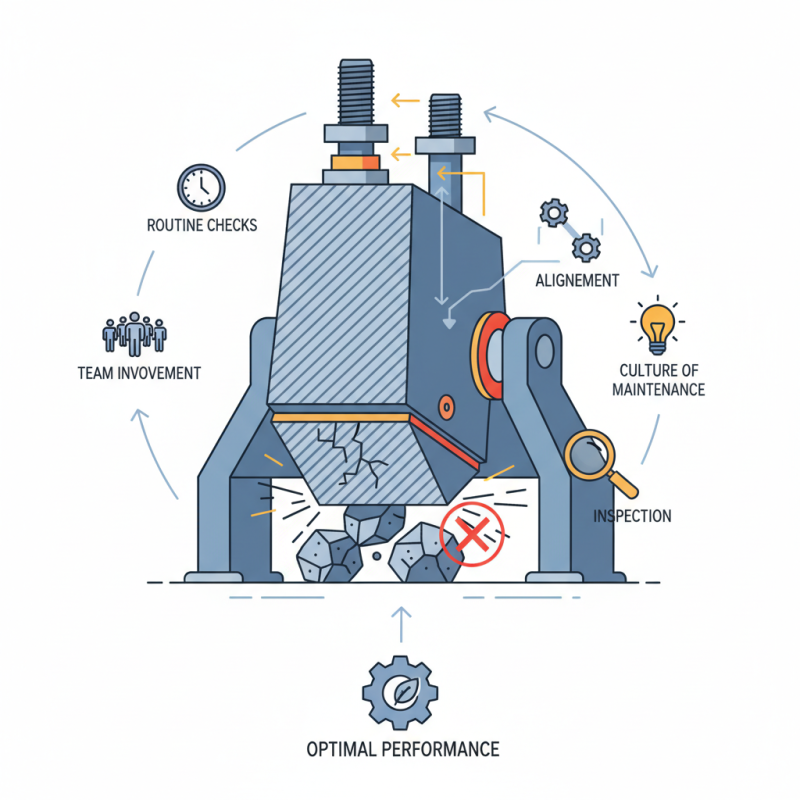
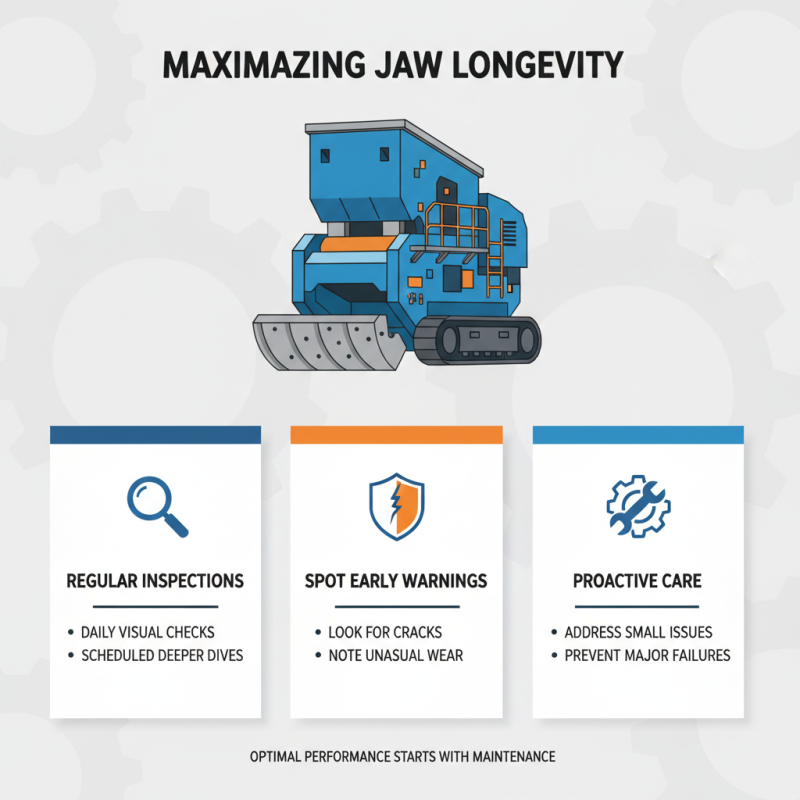
The Stone Crusher Fixed Jaw plays a crucial role in the overall performance of your stone crusher. This component withstands immense pressure while crushing stones. Thus, it is essential to maintain it properly. Regular inspection is vital to identify wear and tear. Small cracks can lead to bigger problems.
Over time, the fixed jaw can suffer from various issues. Loose bolts, misalignment, and excessive wear affect its efficiency. Keeping an eye on these problems is important. Neglecting maintenance may lead to costly repairs. There’s always a risk of downtime, affecting production goals.
Establishing a routine for checking the Stone Crusher Fixed Jaw is key. Involving your team in this process can create awareness. It’s not just a task; it’s a culture of maintenance. Reflect on your current practices and ask if they are sufficient. Improving may require small, consistent changes to ensure optimal performance.
Importance of Fixed Jaw Maintenance in Stone Crushers
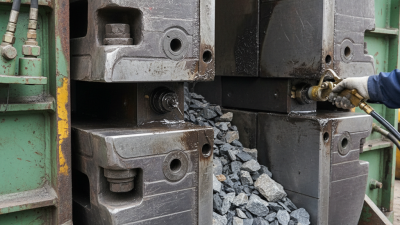
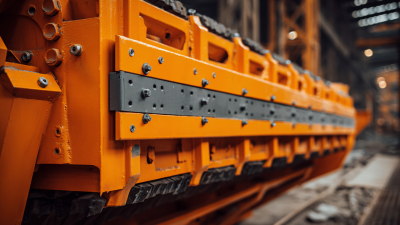
The fixed jaw in a stone crusher plays a critical role in the crushing process. It endures significant stress and wear over time. Without proper maintenance, its performance may decline. Regular inspections can reveal cracks or uneven wear. A small issue can escalate into a major problem, leading to costly downtime.
Proper lubrication is also essential. Insufficient lubrication can cause friction and damage. Operators should schedule routine checks on the lubrication system. Over time, the fixed jaw may need adjustments. Misalignment can lead to inefficient crushing and increased energy use. Keeping records of maintenance activities can help in identifying patterns that might require further attention.
Dust and debris accumulation around the fixed jaw can hinder performance. Regular cleaning is vital. A clean workspace promotes efficient operation. Neglecting this aspect can lead to unexpected repairs. The analogy of an athlete preparing for a game fits here. Consistent upkeep ensures optimal performance on the field.
Impact of Fixed Jaw Maintenance on Performance
Common Causes of Wear in Fixed Jaws and Their Impact on Performance
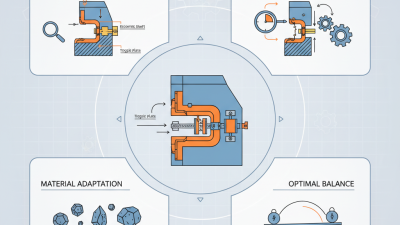
Regular wear occurs in fixed jaws due to various factors. Misalignment can create uneven pressure. This accelerates wear, leading to reduced efficiency.
Operators might overlook the importance of proper alignment, thinking it’s not critical.
Material quality also plays a vital role. Inferior materials lead to quicker degradation. This impacts performance significantly. It's common for operators to choose
cheaper alternatives, forgetting long-term costs. Regular inspections are often neglected as well.
Over time, wear may go unnoticed.
Another issue is insufficient lubrication. It can cause increased friction, resulting in faster wear. Many operators underestimate the need for maintenance checks.
Low attention to detail might seem minor but can lead to severe consequences. Keeping an eye on these factors is essential for optimal operation.
Signs Indicating a Need for Fixed Jaw Replacement or Repair
Maintaining the fixed jaw of your stone crusher is crucial. If you notice uneven wear, it could signify trouble. A fixed jaw that is deeply scratched or pitted is a concern. Small cracks may not seem serious but can worsen over time. Pay attention to how the machine operates under load. Loud noises? They may indicate issues needing your attention.
Regular inspections are important. Check for signs of wear or damage. Look at the alignment of the fixed jaw. Misalignment can cause uneven stress. This can lead to premature wear. If you see excessive movement, it’s time to act. Your production rate might drop if the jaw isn't functioning properly.
Sometimes, symptoms are subtle. A slight decrease in efficiency can creep up on you. Don't ignore small issues. They often signal bigger problems down the line. Schedule regular maintenance checks. It’s a proactive approach that saves time and money. Catching problems early can make all the difference. Keep your operations running smoothly.
Performance Metrics to Assess Fixed Jaw Efficiency in Crushing Operations
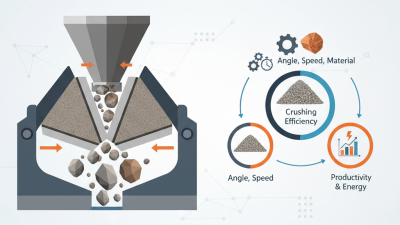
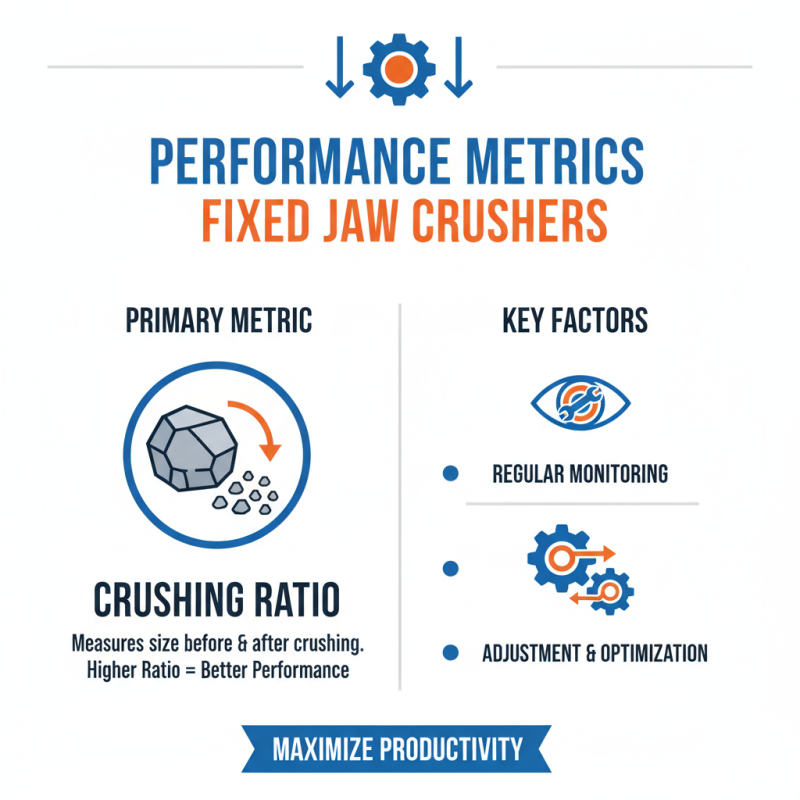
When evaluating the efficiency of a stone crusher's fixed jaw, several performance metrics come into play. The primary metric is the crushing ratio. This ratio measures the size of the material before and after crushing. A higher ratio indicates better performance. However, achieving this ratio requires regular monitoring and adjustment.
Another important aspect is throughput. This represents the amount of material processed in a specific timeframe. Monitoring throughput can reveal inefficiencies in the crushing process. If you notice a dip, it might be time to assess the fixed jaw's condition. Regular inspections can help in identifying wear and tear early, which is often overlooked.
Additionally, the power consumption of the crusher should be reviewed. An increase in power usage can signal that the fixed jaw isn't functioning optimally. Regularly maintaining and assessing these metrics can prevent costly downtime. However, blindly focusing on numbers might mask underlying issues. The need for a balanced approach between metrics and physical inspections is crucial. A truly efficient operation requires attention to both data and the actual equipment condition.