How to Replace Fixed Jaw Plate in Your Crushing Equipment?
Replacing the Fixed Jaw Plate is a crucial task in maintaining crushing equipment. According to industry expert Mark Thompson, "The Fixed Jaw Plate is the heart of the crusher." This component plays a key role in converting large materials into smaller, manageable sizes.
Undertaking a replacement of the Fixed Jaw Plate can be an intricate process. Cleaning the equipment is essential before getting started. Moreover, aligning the new plate correctly ensures optimal performance. Many professionals overlook this step, leading to decreased efficiency and potential wear issues.
It's vital to assess the condition of surrounding components during replacement. Ignoring wear and tear on related parts may cause future problems. A proactive approach helps extend the lifespan of your crushing equipment. Remember, the Fixed Jaw Plate is not just a part; it is essential for effective operations.
Understanding the Fixed Jaw Plate Function in Crushing Equipment
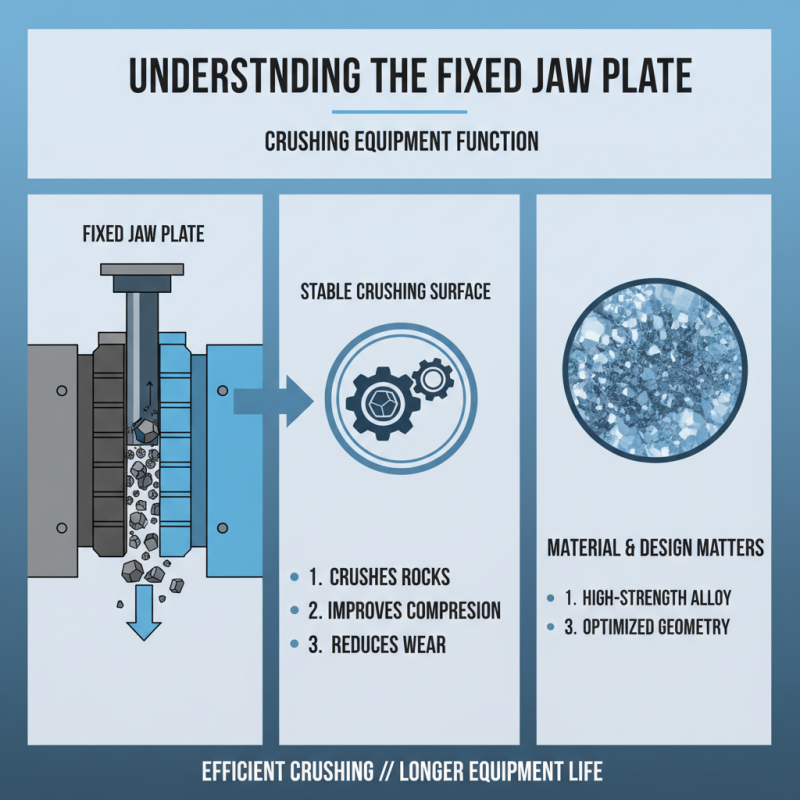
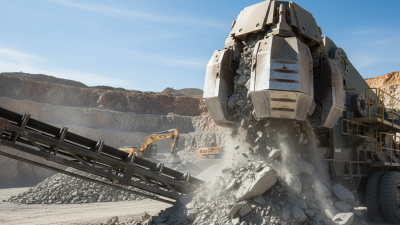
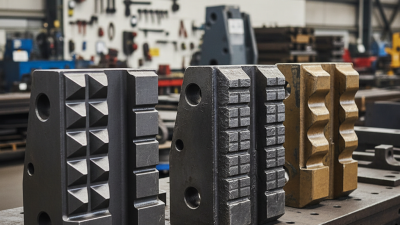
The fixed jaw plate plays a crucial role in crushing equipment. It provides a stable surface where rocks are crushed against moving parts. The design and material of this plate greatly affect the equipment's efficiency. A well-functioning fixed jaw plate ensures better material compression and less wear on other components.
Over time, the fixed jaw plate can wear down due to constant impact and pressure. This wear may lead to inefficient crushing and increased operational costs. Regular inspections are necessary to identify when a replacement is needed. Visual signs like cracks or uneven surfaces may indicate damage. However, some wear might not be immediately visible, demanding a more detailed examination.
When it's time to replace, careful attention to detail is needed. Alignment during installation is key. Misalignment can result in grinding and further wear on other parts. This task isn’t just about swapping out plates; it’s about ensuring long-term functionality. Each step requires focus to maintain optimal performance.
Identifying Signs for Fixed Jaw Plate Replacement
Fixed jaw plates are critical components in crushing equipment. Over time, these plates wear out. This can lead to decreased efficiency and more maintenance issues. Spotting wear early can save time and money in the long run.
Signs of wear include visible cracks and uneven surfaces. Sometimes, you might hear unusual sounds during operation. If you see material not being crushed evenly, it’s time to check the jaw plate. Regular inspections can help identify these issues before they worsen.
Tips: Always keep an eye on the condition of your jaw plates. This ensures optimal performance and safety. Make sure to clean the area around the plates regularly. Dust and debris can mask early signs of wear. Recognizing the signs early can help you avoid costly repairs. Keep detailed records of your equipment's performance too. This can provide a clearer picture of when replacements are necessary.
Tools and Materials Needed for Replacement Process
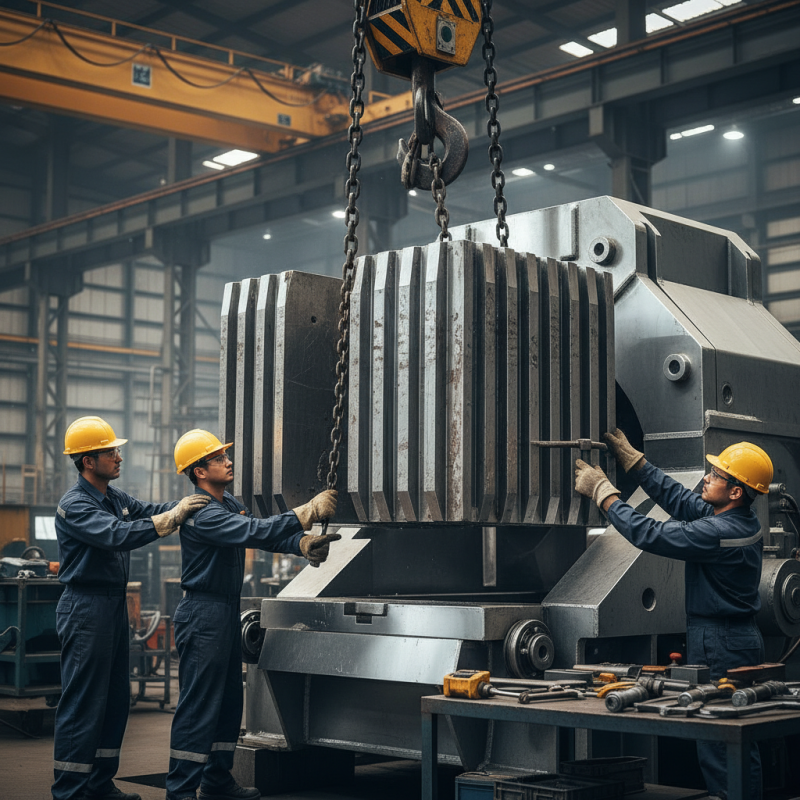
Replacing a fixed jaw plate in crushing equipment requires careful preparation. First, gather essential tools and materials. You'll need safety gear, including gloves and goggles. A torque wrench is vital for tightening screws correctly. A sledgehammer can help remove stubborn parts. Have a crane or lifting device on hand for heavy lifting. Don't forget extra bolts and nuts; they are often necessary during the replacement.
In addition to tools, proper workspace organization is key. Create a clean area where all components are easily accessible. Misplacing small parts can lead to delays. Having a detailed instruction manual handy can also guide you through the replacement process. Double-check that you have everything before starting. Sometimes, missing a simple tool can make the task much harder.
While performing the replacement, focus on each step. If a part appears damaged, it’s best to replace it immediately. Rushing may lead to mistakes. Keep in mind that not all replacements will go as planned. Adjustments might be necessary. Failure to tighten bolts securely can lead to equipment failure later. Be mindful of each action to ensure a successful replacement.
How to Replace Fixed Jaw Plate in Your Crushing Equipment? - Tools and Materials Needed for Replacement Process
| Tool/Material |
Description |
Purpose |
| Wrench Set |
A set of various sized wrenches. |
To loosen and remove nuts and bolts. |
| Hammer |
A heavy-duty hammer for striking. |
To help in loosening stuck plates. |
| Replacement Jaw Plate |
A new fixed jaw plate compatible with equipment. |
To replace the worn-out jaw plate. |
| Safety Goggles |
Protective eyewear to shield eyes. |
To protect eyes from debris and heavy materials. |
| Gloves |
Heavy-duty work gloves. |
To protect hands during the replacement process. |
Step-by-Step Procedure to Replace Fixed Jaw Plate
Replacing a fixed jaw plate in crushing equipment is essential for performance. Start by ensuring safety first. Disconnect power sources and remove any loose parts. Accessing the jaw plate requires removing the side plates. Use appropriate tools for this step. Keep the workspace organized to avoid losing small items.
Next, remove the old jaw plate. Inspect it for wear and damage. Sometimes, removing stubborn bolts can be tricky. Patience is key here. You may need a helper to hold the plate or tools in place. Once removed, clean the mounting area thoroughly.
Install the new jaw plate, ensuring proper alignment. Tighten all bolts securely to avoid future issues. After installation, test the equipment at low speeds. Listen for any unusual sounds. This step is often overlooked but crucial for long-term performance. If something feels off, revisit the installation. Small adjustments can make a big difference.
Performance Analysis of Different Jaw Plates
Safety Precautions During Fixed Jaw Plate Replacement
Replacing a fixed jaw plate in your crushing equipment is a critical task. It requires careful attention to safety precautions. Accidents during maintenance can lead to severe injuries. In fact, industry reports indicate that improper maintenance accounts for nearly 25% of workplace injuries in heavy machinery operations.
Prior to starting the replacement, ensure the equipment is powered down. Disconnect all energy sources. Use lockout/tagout procedures to prevent accidental startup. Examine all tools and materials. Ensure they are in good condition. A worn-out tool can lead to slips or mistakes during installation.
**Tips:** Always wear appropriate personal protective equipment. This includes gloves, goggles, and steel-toed boots. Keep your workspace organized. A cluttered area can lead to accidents or loss of tools.
After removing the old plate, inspect the area for any signs of damage. Even small cracks can worsen over time. It’s essential to do a thorough check. Run a safety check on your hoisting equipment before lifting the new jaw plate. This step is often overlooked but crucial for safe handling.
**Tips:** Document your maintenance activities. Keeping records helps track the frequency of replacements. This data can provide insights into potential issues with your equipment. Effective maintenance keeps your machinery running optimally.