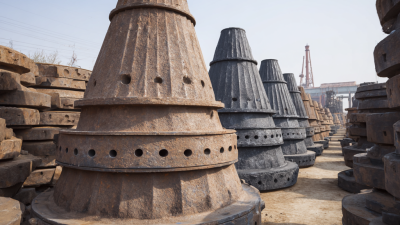
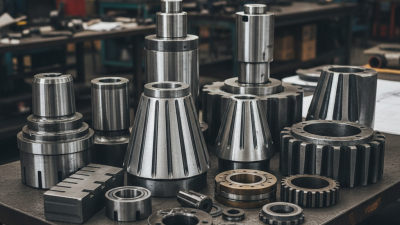
Top 10 Cone Crusher Parts You Need to Know About?
In the world of mining and construction, Cone Crusher Parts play a crucial role. According to a report from Research and Markets, the global cone crusher market is expected to grow significantly, reaching a value of over $3.5 billion by 2025. This growth illustrates the importance of understanding the components that keep these machines running efficiently.
Industry expert John Smith, a veteran in mining technology, notes, "Quality cone crusher parts directly influence the machine's performance and longevity." This highlights the need for professionals to familiarize themselves with these essential components. The right parts ensure not just operational efficiency but also minimize downtime and repair costs. However, many still overlook the significance of investing in high-quality parts, which can lead to inefficiencies and costly breakdowns.
It’s vital to recognize that every part serves a distinct function. For instance, the mantle and concave are pivotal for crushing operations. Yet, inconsistencies in part quality can pose risks. Investing in Cone Crusher Parts requires careful consideration. One must weigh initial costs against long-term benefits.
Understanding the Importance of Cone Crusher Parts in Operations
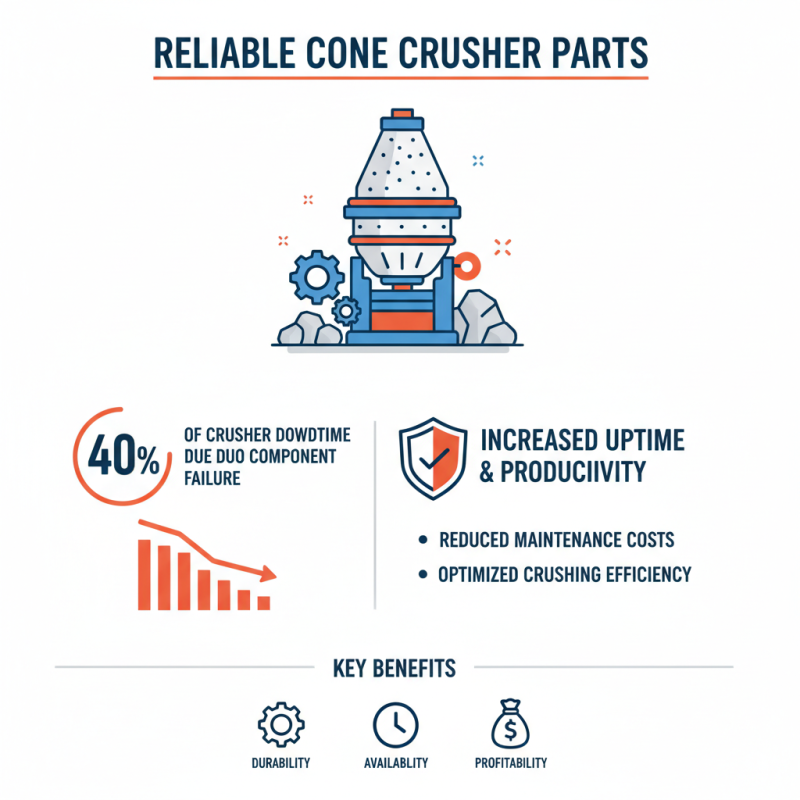
Cone crushers are vital in various mining and quarrying operations. Their efficiency heavily relies on the quality of the parts. According to industry reports, almost 40% of crusher downtime can be attributed to component failure. This emphasizes the need for reliable cone crusher parts.
Key parts include the mantle, bowl liner, and concave. Each component is crucial for maintaining optimal performance. For example, a worn mantle can lead to reduced crushing efficiency. The industry standard states that proper maintenance can increase the lifespan of these parts by up to 25%. Regular inspections are necessary but often neglected.
Understanding the wear patterns on these components is essential. Certain operational conditions, like abrasive materials, can accelerate wear. Studies suggest that operators must analyze these conditions to adjust their maintenance schedules. This approach not only improves productivity but also decreases long-term costs.
Key Cone Crusher Components and Their Functions Explained
Cone crushers are essential in the mining and aggregate industry for their ability to crush hard materials efficiently. Several key components ensure the smooth operation of these machines. Understanding these parts can significantly impact maintenance and performance.
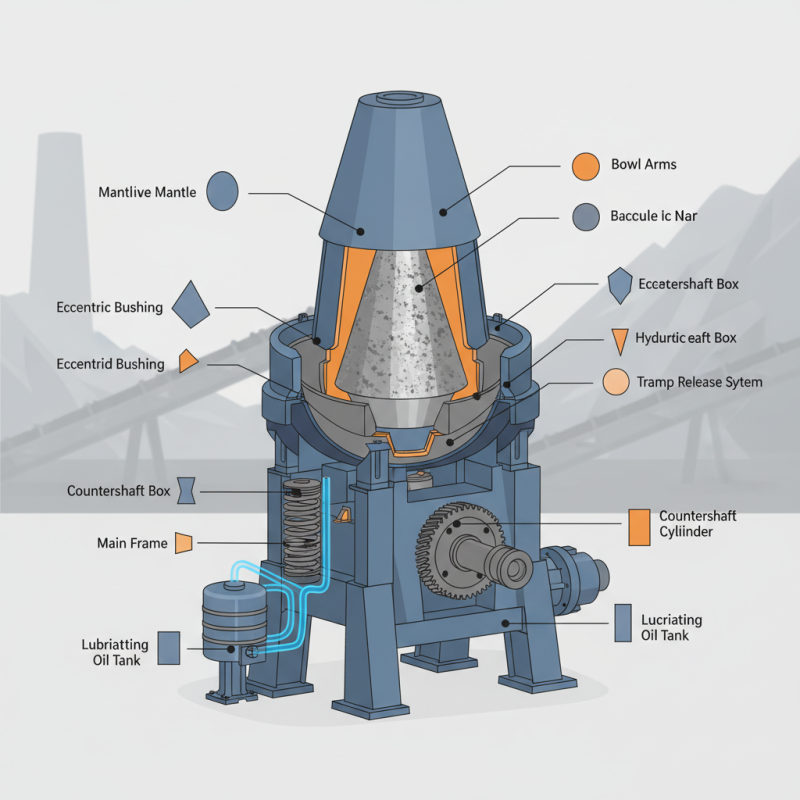
The mantle and concave are vital components in a cone crusher. The mantle, the moving part, crushes materials against the concave, which is fixed. This crushing action is crucial in determining the size of the output material. A recent industry report indicated that improper wear can lead to costly downtime. Regular inspections are needed to address wear issues promptly.
Another important part is the eccentric assembly. It enables the mantle to move in a circular motion, leading to effective crushing. The crush force produced is directly proportional to the eccentric's angular displacement. However, this mechanism can be prone to misalignment, affecting performance. Proper alignment and regular maintenance can prevent costly repairs. Additionally, the hydraulic system in a cone crusher helps to adjust the product size and also plays a crucial role in the clamping force. Problems with this system can lead to inefficient operations and an increase in operational costs.
Common Wear Parts of Cone Crushers and Their Maintenance Tips
Cone crushers are vital in mining and construction industries. The wear parts are essential for their optimal performance. Understanding these parts and their maintenance can prevent costly downtimes.
One key component is the mantle. It impacts the material in the crushing chamber. Frequent inspections are crucial. Look for signs of wear and replace it promptly. Regular lubrication also extends its life.
Another important part is the bowl liner. It interacts with the mantle constantly. If the bowl liner wears out, efficiency drops. Maintain proper alignment and tension. Check for cracks during routine checks. This can save money in the long run.
Maintenance tips for cone crushers include regular monitoring. Track vibration and noise levels. These can indicate wear or misalignment. Often overlooked, these details are critical. Upholding a preventive maintenance schedule is essential. It can ensure your cone crusher runs smoothly and efficiently.
How to Choose the Right Cone Crusher Parts for Your Needs
Choosing the right cone crusher parts is crucial for optimal performance. Start by assessing your specific needs. Consider the type of material you'll process. Different minerals require different specifications. Look at the size and hardness of the material. This will influence the wear resistance you need.
Pay attention to the material composition of the parts. High-quality steel can enhance durability. However, price often reflects quality. Sometimes, cheaper options lead to more frequent replacements. This is a decision that requires careful reflection.
Also, consider compatibility with existing equipment. Poor fit can cause inefficiencies. Make sure to consult the specifications. In some cases, aftermarket parts might fit well but not perform efficiently. It is essential to strike a balance between cost and reliability. Decisions today can have long-term impacts.
Innovations in Cone Crusher Parts for Enhanced Performance
Innovations in cone crusher parts are crucial for boosting performance. Advanced materials and design modifications are trending in the industry. For instance, companies have started using high-strength alloys. Such materials resist wear and extend the lifespan of components. Reports indicate that improved durability can lead to a 30% reduction in maintenance costs.
New designs in cone crusher liners also contribute significantly. These liners now feature optimized geometries, enhancing crushing efficiency. The industry has seen up to a 25% increase in throughput due to these innovations. However, some components still fail to meet performance expectations. Quality control issues often arise with mass production.
Another notable advancement is the use of 3D printing. This technology allows for rapid prototyping of complex parts. A recent study showed a 40% reduction in lead time for new parts. While these changes are positive, not all manufacturers have adopted them. Many still rely on traditional methods. The gap between innovation and adoption could hinder overall industry progress.
Top 10 Cone Crusher Parts You Need to Know About
| Part Name |
Material |
Function |
Innovation |
Wear Resistance |
| Mantle |
Manganese Steel |
Crushing Material |
Lattice Design |
High |
| Concave |
Manganese Steel |
Material Generation |
Increased Thickness |
Medium |
| Bowl Liner |
Manganese Steel |
Supports Crushing |
Enhanced Profile |
High |
| Spider Bushing |
Bronze |
Stabilization |
Self-Lubricating |
Medium |
| Main Shaft |
Alloy Steel |
Mechanical Support |
Reinforced Design |
High |
| Hydraulic Cylinder |
Steel |
Adjusting Setting |
Improved Seals |
Medium |
| Dust Seal |
Rubber |
Prevent Contamination |
Adaptive Technology |
High |
| Feed Plate |
Cast Iron |
Material Feeding |
Multi-Layer Design |
Low |
| Frame |
Welded Steel |
Structural Support |
Modular Design |
Medium |
| Adjustment Ring |
Steel |
Adjustment Mechanism |
Quick Adjust |
High |