Top 10 Fixed Jaw Plate Benefits for Crushing Equipment You Should Know?
In the world of crushing equipment, the importance of the Fixed Jaw Plate stands out. Industry expert Dr. John Smith, a renowned engineer in the field, states, "The Fixed Jaw Plate is crucial for efficiency and durability in crushing operations." This functional component significantly impacts the overall performance of crushers, influencing the way materials are processed.
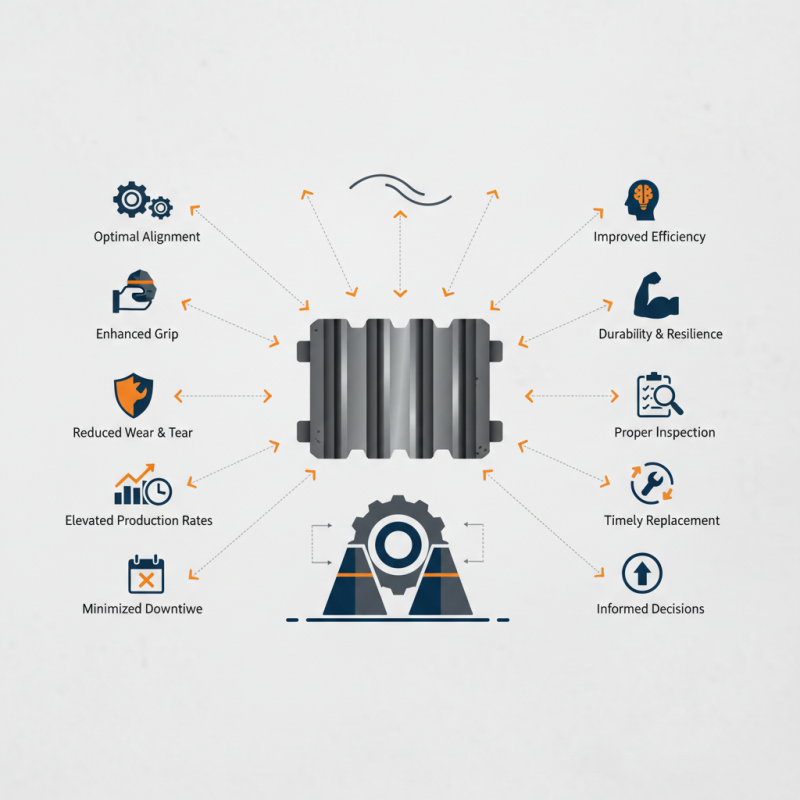
The Fixed Jaw Plate offers a range of benefits that enhance crushing efficiency. Its design ensures optimal alignment and grip, which helps in reducing wear and tear on machinery. A well-maintained Fixed Jaw Plate can elevate production rates and minimize downtime. However, not every operator fully comprehends its importance, which can lead to costly maintenance issues and ineffective operations.
Understanding the key advantages of the Fixed Jaw Plate is vital. It’s more than just a metal piece; it embodies reliability and resilience in demanding environments. Many overlook proper inspection and replacement schedules. Ignoring these practices can lead to unexpected failures and losses. Engaging with these insights helps operators make informed decisions, ultimately improving their crushing processes.
Top 10 Benefits of Fixed Jaw Plates in Crushing Equipment
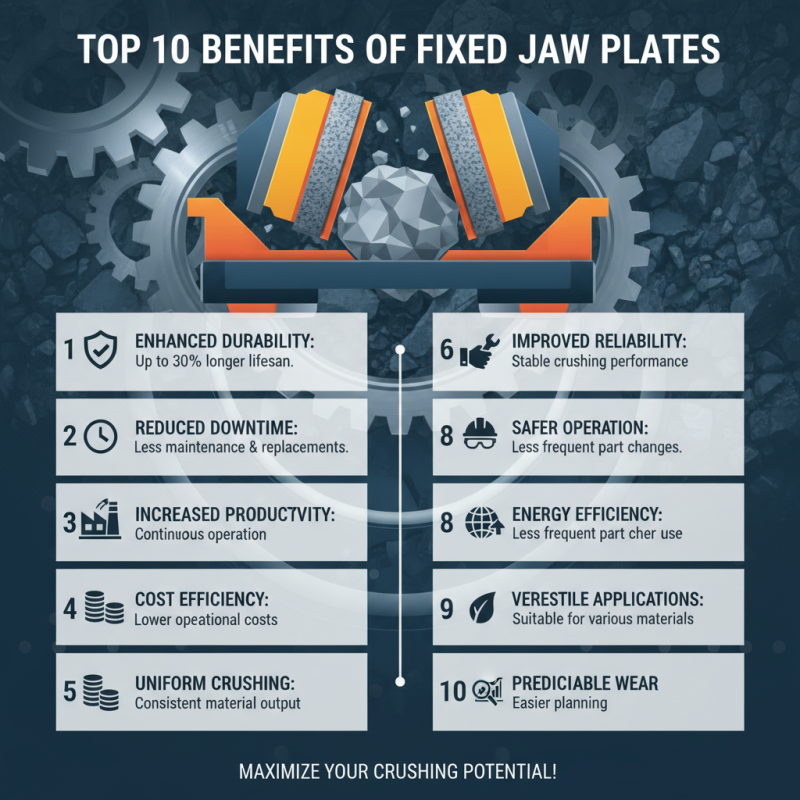
Fixed jaw plates play a crucial role in the efficiency of crushing equipment. They are designed to withstand substantial wear and tear during the crushing process. One of the primary benefits is their durability. Reports indicate that high-quality fixed jaw plates can last significantly longer, sometimes up to 30% more than standard plates. This leads to reduced downtime for maintenance and replacements, which is essential for maximizing productivity.
Another advantage is the improved crushing capability. Fixed jaw plates provide a consistent feed opening, allowing for consistent material reduction. According to industry data, equipment with optimized fixed jaws can achieve up to 20% higher throughput. This efficiency translates into cost savings over time, as less energy is needed for the same output.
However, not all fixed jaw plates are created equal. For instance, variations in hardness and material composition can impact performance. Some users report that mismatched materials led to premature wear. Exploring these specifications is vital for operators aiming to optimize their crushing process.
Enhanced Durability: Material Composition and Lifespan of Fixed Jaw Plates
Fixed jaw plates are crucial components in crushing equipment. Their material composition significantly affects performance and longevity. Typically made from high-alloy steel and other strong materials, they exhibit enhanced durability. Industry studies show that using high-impact resistant steel can increase the lifespan of fixed jaw plates by up to 30%. This means fewer replacements and reduced downtime, contributing to overall operational efficiency.
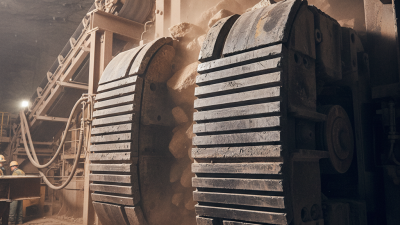
One of the key benefits of durable fixed jaw plates is their resistance to wear and tear. In harsh crushing environments, standard materials may fail quickly. Enhanced materials can withstand the aggressive forces of operation, leading to economic savings. Operators should regularly check wear patterns to prevent unexpected failures.
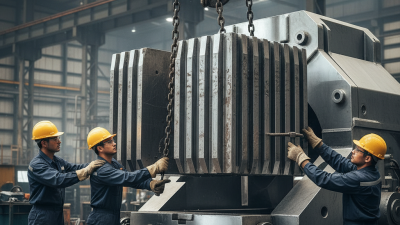
Tips: Ensure proper installation to maximize the life of fixed jaw plates. Misalignment can lead to premature wear. Additionally, consider periodic inspections to assess material integrity. Making small adjustments at the right time can save resources. It’s clear that investing in quality materials is not just advisable; it’s essential for efficiency and productivity.
Improved Crushing Efficiency: How Fixed Jaw Plates Maximize Output
Fixed jaw plates are crucial components in crushing equipment. They influence crushing efficiency significantly. According to a report from the International Journal of Engineering Research, optimized fixed jaw plates can improve output by as much as 25%. This improvement is often the result of better wear resistance and a more effective crushing geometry.
The angle and design of the fixed jaw plate are critical. A well-designed jaw plate can create a higher crushing ratio. Studies show that a one-degree change in the angle can increase throughput by up to 10%. This highlights the importance of precise engineering in the manufacturing of fixed jaw plates. When improperly designed, there can be significant output losses and increased wear rates.
Regular assessments of fixed jaw plates are essential. Industry professionals recommend inspections every 500 hours of operation. Neglect can lead to costly downtimes. Failing to replace worn-out plates can result in suboptimal performance and excessive energy consumption. By maximizing input efficiency through well-maintained fixed jaw plates, facilities can achieve a more sustainable operation.
Top 10 Fixed Jaw Plate Benefits for Crushing Equipment
Cost-Effectiveness: Long-Term Savings from Fixed Jaw Plate Investment
The investment in fixed jaw plates offers significant cost-effectiveness in crushing equipment. Studies indicate that proper maintenance can extend the lifespan of these plates by up to 30%. This longevity translates directly into reduced operational costs. When the initial cost is spread over these extended periods, companies can save substantially in replacements and repairs.
Moreover, fixed jaw plates are designed to withstand abrasive materials, enhancing their durability. Reports show that companies utilizing high-quality materials in jaw plates reduce downtime by 20%. While the upfront investment may appear significant, the continuous savings from decreased failure rates provide a compelling argument for choosing quality over cheaper alternatives. This approach, although sometimes overlooked, results in high reliability and efficiency.
While focusing on cost savings, it is crucial not to compromise on the quality. Businesses may notice a decline in performance with lower-grade plates. Over time, this could lead to increased repair costs and downtime. Balancing cost and quality is essential for maintaining profitability in the competitive crushing sector. Adopting fixed jaw plates is an investment that should be carefully considered to ensure long-term benefits.
Reduced Downtime: Maintenance and Reliability of Fixed Jaw Plates
The fixed jaw plate serves a crucial role in crushing equipment. Its design impacts both performance and maintenance schedules. Effective jaw plates can significantly reduce downtime by enhancing reliability. Research indicates that machinery downtime costs companies approximately $500 billion annually. A reliable fixed jaw plate minimizes these costs. It can withstand high-pressure environments and heavy loads, ensuring longer service life.
Regular maintenance is essential. High-quality fixed jaw plates require less frequent replacement, reducing labor costs. Anecdotal evidence shows that businesses have achieved up to 30% longer plate life with proper selection and maintenance. Additionally, it’s important to monitor wear patterns. Regular inspections can catch issues early, preventing sudden failures. This proactive approach ultimately supports operational efficiency.
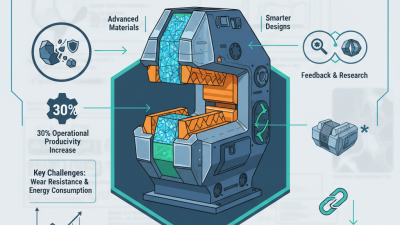
While innovation improves fixed jaw plate quality, challenges remain. Material fatigue and unexpected wear can still occur. Tracking performance data and adjusting maintenance routines becomes critical. Implementing a failure analysis program allows companies to learn from wear issues. Continuous improvement in these areas can lead to better equipment uptime and overall productivity.
Conclusion
Fixed Jaw Plates are essential components in crushing equipment, offering numerous benefits that enhance performance and efficiency. One of the primary advantages is their enhanced durability, which stems from superior material composition that extends their lifespan. This durability leads to improved crushing efficiency, enabling the machinery to maximize output effectively. Additionally, investing in Fixed Jaw Plates proves to be cost-effective in the long run, as they reduce the frequency of replacements and maintenance.
Furthermore, Fixed Jaw Plates contribute to reduced downtime due to their reliability and ease of maintenance, allowing operations to run smoothly without frequent interruptions. Their versatility makes them adaptable across various industries, accommodating different applications and ensuring optimal performance in diverse settings. Overall, the incorporation of Fixed Jaw Plates in crushing equipment is crucial for achieving significant operational benefits.