Top 10 Fixed Jaw Plate Manufacturers in China for Global Buyers
In the competitive landscape of manufacturing, the demand for quality parts is paramount. Fixed jaw plates are no exception. These components play a vital role in crushing and screening equipment across industries. Renowned expert Dr. Zhang Wei, a specialist in materials engineering, has said, “The right fixed jaw plate can dramatically improve equipment efficiency.”
China is home to many leading Fixed Jaw Plate Manufacturers known for their innovation and quality. Their capabilities cater to a global market that increasingly relies on reliability. As buyers search for the best options, navigating this landscape can be challenging. While some manufacturers excel in production, others might falter in consistency.
Choosing the right manufacturer involves careful consideration. Quality assurance, material sourcing, and production techniques must be evaluated. It's crucial to select a partner that aligns with your operational needs. Reliable suppliers contribute to your equipment’s longevity. As the market develops, constant reflections on manufacturer performance will enhance decision-making in sourcing fixed jaw plates.
Overview of Fixed Jaw Plates in the Crusher Industry
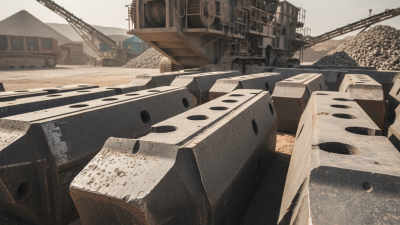
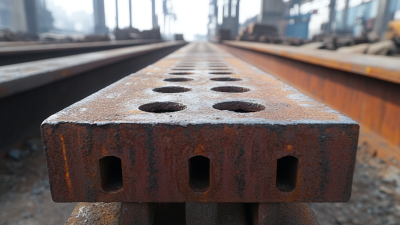
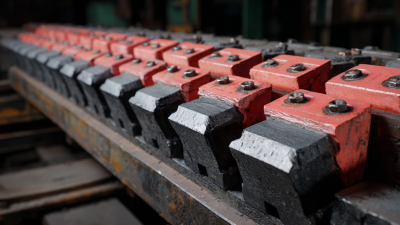
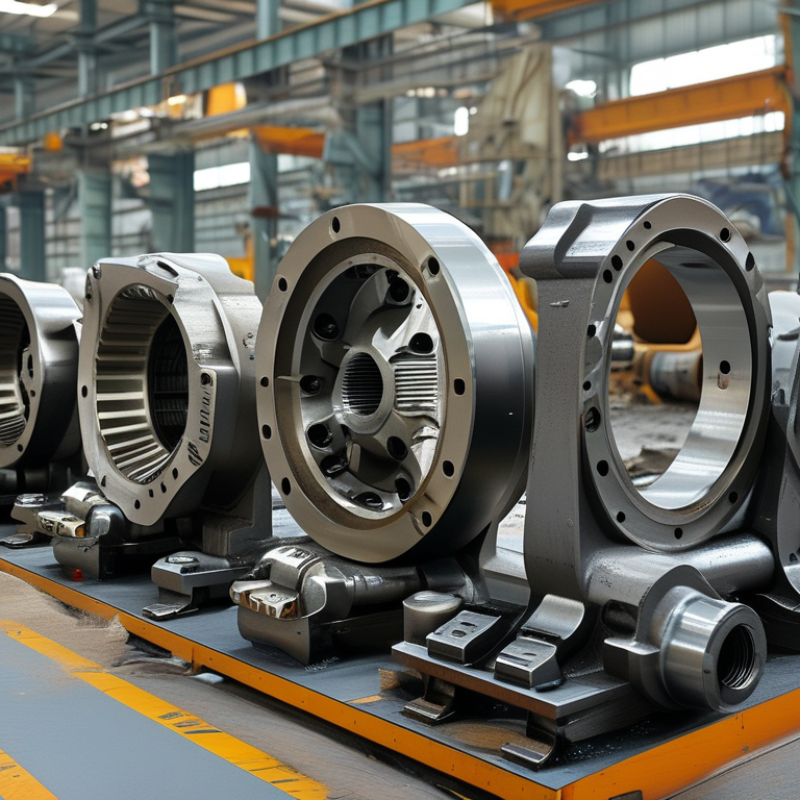
Fixed jaw plates are essential components in the crusher industry. They play a critical role in the crushing process, providing the needed resistance against material. Typically, these plates have a robust design, made to withstand high levels of impact and abrasion. The choice of material impacts their durability and efficiency. A high-quality fixed jaw plate ensures the longevity of the crusher, which is vital for productivity.
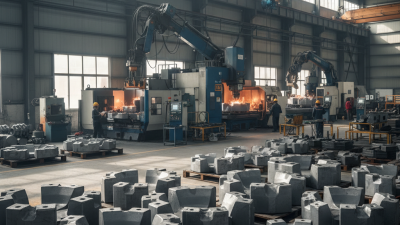
Manufacturers in China have made significant strides in producing fixed jaw plates. They focus on advanced materials and technology to enhance product performance. However, a critical challenge lies in maintaining consistency. Variations in manufacturing processes can lead to differences in quality. Buyers must pay attention to suppliers' reputations and production standards. This vigilance helps ensure that equipment operates efficiently and safely.
While many manufacturers claim to offer top-notch products, not all live up to expectations. It’s beneficial to research user experiences and industry reviews. Gaining insight from others’ experiences can guide informed purchasing decisions. Engaging with local distributors can also provide real-time feedback. Understanding these dynamics is crucial in an industry where reliability is paramount.
Top 10 Fixed Jaw Plate Manufacturers in China for Global Buyers
| Manufacturer Rank |
Annual Production (units) |
Material Used |
Country of Export |
Market Share (%) |
| 1 |
15000 |
Manganese Steel |
USA |
25% |
| 2 |
12000 |
High Chrome Iron |
Canada |
20% |
| 3 |
10000 |
Alloy Steel |
Germany |
15% |
| 4 |
8000 |
Martensitic Steel |
Brazil |
10% |
| 5 |
7500 |
Carbon Steel |
Australia |
8% |
| 6 |
6000 |
Chrome Moly |
India |
7% |
| 7 |
5000 |
Wear Resistant Steel |
UK |
5% |
| 8 |
4000 |
Cast Iron |
Italy |
3% |
| 9 |
3000 |
Reinforced Steel |
Spain |
2% |
| 10 |
2000 |
Stainless Steel |
France |
1% |
Key Criteria for Selecting a Fixed Jaw Plate Manufacturer
When selecting a fixed jaw plate manufacturer in China, several key criteria should guide your decision. Quality assurance is paramount. Ensure that the manufacturer has certifications and follows strict production standards. This guarantees the durability and reliability of the jaw plates.
Capacity is another important factor. Assess the production volume and lead times. A manufacturer with higher capacity can better meet your demands without compromising quality. It’s essential to evaluate if the manufacturer can handle custom orders. Customization can greatly enhance performance in specific applications.
Tips: Look for customer reviews and testimonials. They provide insight into the manufacturer’s reliability. Don’t hesitate to ask for samples before making a large commitment.
Lastly, it’s crucial to consider after-sales support. A manufacturer that offers good technical support can be a valuable partner. Evaluate their response time and willingness to engage after the sale. This can significantly enhance your operational efficiency.
Top Fixed Jaw Plate Manufacturers in China: An In-Depth Analysis
When considering fixed jaw plates in China's manufacturing landscape, several key metrics stand out. The market for mining machinery has grown significantly, reporting a compound annual growth rate (CAGR) of 5.8% from 2018 to 2023. This growth reflects the increasing demand for quality components in various industries, especially in mining and construction. Quality control remains a major concern, as not all manufacturers meet international standards.
In-depth analysis reveals that high-quality fixed jaw plates are engineered from robust materials like manganese steel and alloyed steels. These materials enhance durability and structural integrity. However, manufacturers often struggle with consistency in production quality. Improving manufacturing processes can help address these disparities. Moreover, data suggests that around 30% of manufacturers are working towards compliance with ISO 9001 standards, which bolsters their credibility and reliability in the global market.
While the industry shows promise, challenges remain. A notable gap exists in the transparency of supply chains. Many buyers are unaware of the origins of materials and actual manufacturing practices. This lack of insight can lead to concerns about sustainability and ethical sourcing. Therefore, engaging with manufacturers who prioritize these aspects is crucial for buyers aiming for responsible procurement.
Top 10 Fixed Jaw Plate Manufacturers in China - Production Capacity Analysis
Comparison of Global Market Presence Among Leading Chinese Manufacturers
In the competitive landscape of fixed jaw plate manufacturing, Chinese companies play a crucial role. Their global market presence reflects innovation and expertise. These manufacturers leverage advanced technologies and skilled labor, making their products more reliable. However, some still face challenges in meeting international quality standards consistently. This discrepancy can impact their reputation among global buyers.
When comparing leading Chinese manufacturers, market strategies differ significantly. Some focus on cost-effectiveness, while others prioritize technological advancements. A few prominent companies have successfully established a strong global footprint. Yet, not all manufacturers effectively communicate their quality assurance processes. Transparent production practices can enhance trust among international clients.
Rising competition requires adaptation. Companies must analyze their market approaches continuously. A lack of strategic adjustments can lead to setbacks. Staying attuned to global trends is essential for success. While some manufacturers thrive, others may lag behind if they do not evolve. Understanding this dynamic is key for buyers evaluating options.
Future Trends in Fixed Jaw Plate Manufacturing and Supply Chain Dynamics
The future of fixed jaw plate manufacturing is influenced by several dynamic factors. As industries evolve, the demand for high-quality materials increases. Manufacturers are focusing on innovative materials to enhance durability and performance. In addition, there is a strong push towards eco-friendly production processes. Sustainable practices are becoming essential in the supply chain. Companies are revisiting their sourcing strategies to reduce environmental impact.
Technology plays a significant role in shaping this industry. Automation is increasingly integrated into manufacturing processes. This approach aims to enhance efficiency and reduce costs. However, automation also presents challenges. Many skilled workers face obsolescence, which can lead to workforce gaps. Furthermore, rapid tech advancements require constant adaptation from manufacturers. Companies must invest in training and development to stay competitive.
Supply chain dynamics are also changing. Globalization has created a more complex landscape. Manufacturers are now more dependent on international suppliers. Disruptions from global events, such as pandemics and political tensions, force a reevaluation of these dependencies. While globalization offers access to diverse materials, it also introduces risks. Companies should develop robust contingency plans to navigate these uncertainties effectively. Adaptability and resilience will ultimately define success in this evolving market.