Choosing OEM Mining Stone Crusher Parts is not simply a purchasing decision. It affects production stability, maintenance planning, and worker safety. In a busy quarry, a worn jaw plate can reduce output before the problem becomes obvious. A poorly matched mantle may increase vibration, power consumption, and downtime.
Dr. Barry A. Wills, a respected mineral-processing author, wrote, “Mineral processing is a combination of science, engineering, and art.” That principle applies directly to Mining Stone Crusher Parts. OEM manufacturers design components around specific crusher models, chamber profiles, feed conditions, and operating loads. This creates a more predictable fit than many unverified alternatives. It also supports accurate installation and clearer technical guidance.
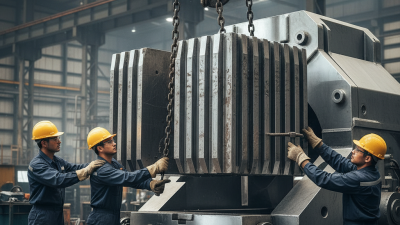
The practical advantage appears during routine work. Technicians can check the part number, inspect the seating surface, and follow documented torque requirements. Consistent metallurgy may also improve wear performance under abrasive rock. Still, OEM parts are not automatically the best choice for every situation. Quarry operators should compare service records, material grades, lead times, and total operating costs.
This is where many buyers hesitate.
An inexpensive replacement can look attractive on an invoice. However, repeated adjustments, premature cracking, or unexpected stoppages may change the final calculation. Experience matters, but it can also create assumptions. Site-specific testing remains important. A reliable decision combines manufacturer data, maintenance observations, and measurable production results. This introduction explains why OEM Mining Stone Crusher Parts often provide stronger control, dependable compatibility, and more defensible long-term value.
Why Choose OEM Mining Stone Crusher Parts?
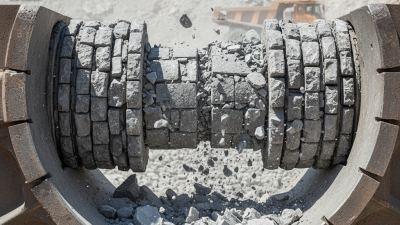
OEM mining stone crusher parts are components produced to the crusher’s original engineering specifications. They match the approved drawings, dimensions, materials, and operating tolerances. Common examples include jaw plates, mantles, concaves, blow bars, side liners, and bushings.
Fit matters.
In practical maintenance work, accurate fit affects more than installation speed. A correctly shaped jaw plate supports even pressure across the crushing chamber. Proper mantle and concave profiles help maintain the intended discharge setting. This can reduce vibration, uneven wear, and unexpected stoppages. OEM parts also normally include controlled material grades and heat-treatment records. These details influence hardness, toughness, and resistance to cracking.
Not just metal.
Reliable OEM production should include inspection at several stages. Technicians may verify casting dimensions, mounting holes, surface condition, and final hardness. Traceable batch records also help maintenance teams identify recurring wear patterns. From experience, a part can look correct and still perform poorly if its profile is slightly wrong. That is an uncomfortable lesson, but an important one.
OEM parts are not automatically the best choice in every situation. Operating conditions matter. Abrasive rock, moisture, feed size, and closed-side setting can change wear rates. A qualified parts specialist should review these factors before recommending a replacement. The safest decision combines equipment records, site measurements, and actual inspection data. Guesswork may save time today, yet it can create costly downtime later.
Why Choose OEM Mining Stone Crusher Parts?
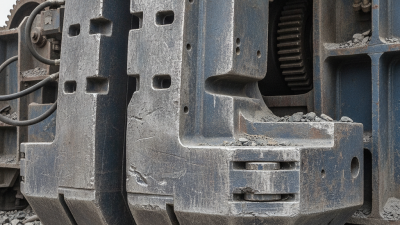
Original equipment manufacturer parts are designed around the crusher’s exact dimensions, materials, and operating conditions. This design connection supports reliable equipment compatibility. A jaw plate, cone liner, or impact bar must match more than its visible shape. Its thickness, mounting points, hardness, and working clearance also matter.
In daily maintenance, technicians often compare worn parts with drawings and service records. They check bolt spacing, chamber profile, shaft diameter, and feed opening measurements. Small differences can cause vibration, uneven wear, or unexpected downtime. OEM parts usually follow the equipment’s original specifications, reducing these risks. They also support correct interaction between connected components, such as liners, bearings, and drive systems. Fit is not just convenience.
Tips: Confirm the crusher model, serial details, and part number before ordering. Measure critical areas when records are incomplete. Ask for material certificates and dimensional inspection data. Store replacement parts away from moisture and impact. A clean storage area prevents avoidable surface damage.
Field experience still matters. Operating conditions can change the best selection. High-silica stone may demand different wear resistance than softer limestone. An OEM part can fit correctly, yet poor feeding may shorten its service life. That is where careful inspection becomes valuable. I have seen teams blame the part too quickly. Sometimes the real issue was misalignment or an oversized feed. Compatibility helps, but it cannot repair every operating mistake.
OEM parts are engineered to match the crusher’s original drawings, material specifications, mounting interfaces, and operating profile. The chart uses a normalized compatibility index, with the original equipment specification represented as 100.
Higher scores indicate closer alignment with the crusher’s required specifications. Consistent dimensional accuracy, material grade, and installation fit can help reduce adjustment time and compatibility-related downtime.
OEM parts support crusher performance through accurate dimensions, verified metallurgy, and controlled manufacturing tolerances. These details affect feed alignment, crushing pressure, vibration, and wear rate. In field inspections, a poorly matched liner often leaves uneven wear marks around the chamber. That pattern wastes usable material and increases adjustment time.
The U.S. Geological Survey estimated 1.5 billion metric tons of crushed stone were produced in the United States during 2023. At this scale, small efficiency losses become expensive quickly. OEM components are designed around the crusher’s original geometry and operating range. They can help maintain product sizing and reduce unexpected stoppages. Still, OEM is not automatically perfect. Incorrect installation, contaminated lubrication, or excessive feed size can damage even a well-made part. This is where operators need careful judgment.
Tips: Check part dimensions before delivery. Review the material grade and heat-treatment records. Measure liner wear at regular intervals, not only after failure. Keep photographs of wear patterns. They reveal problems early. Also compare actual throughput with the equipment manual. This comparison may expose a hidden setting issue. As a practical caution, replacing parts alone will not solve every performance problem. Sometimes the real cause is poor feeding or an overlooked vibration fault.
In mining, maintenance cost is rarely caused by one dramatic failure. It grows through uneven wear, repeated adjustments, and short stoppages. OEM crusher parts are engineered to match the original chamber, feed design, and operating tolerances. That fit can reduce vibration and protect bearings, shafts, and liners from unnecessary stress.
The savings become visible during routine work. A correctly matched mantle or jaw plate usually needs fewer fitting corrections. Technicians spend less time modifying parts on the workshop floor. According to the U.S. Department of Energy, predictive maintenance can reduce maintenance costs by 25–30% and eliminate breakdowns by 70–75%. OEM parts do not create these results alone, but reliable fit improves the quality of maintenance data and inspections.
Downtime is expensive.
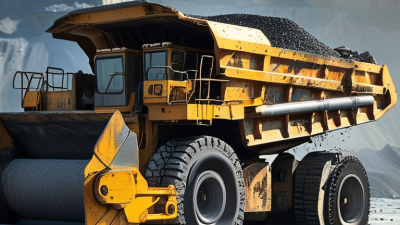
The 2024 Deloitte Mining and Metals Tracking the Trends report identifies productivity and operational resilience as continuing industry priorities. A failed part can stop a complete crushing circuit, leaving loaders, conveyors, and operators waiting. OEM components also provide documented material specifications and traceability, which support safer replacement planning and more consistent stock control.
However, OEM is not automatically the cheapest choice. That assumption needs testing. Purchase price, service life, installation time, and failure risk should be compared together. In abrasive stone, a cheaper liner may wear faster and increase labor costs. The practical decision is not “Which part costs less?” It is “Which part keeps the circuit productive longer?”
Why Choose OEM Mining Stone Crusher Parts?
Selecting the right OEM crusher parts begins with the machine, not the price. Confirm the crusher model, chamber profile, feed opening, and operating conditions. A jaw plate for abrasive granite may fail quickly in softer limestone if its alloy is unsuitable. Check the material certificate and heat-treatment records. These documents reveal more than a polished product photograph.
Measure the worn part before ordering. Record length, thickness, bolt-hole spacing, mantle seating, and the closed-side setting. Small dimensional errors can cause vibration, uneven wear, or damaged bearings. Ask the supplier to verify drawings against your machine’s serial information. It is a simple step, but it is often missed. The wrong profile can reduce output within a few shifts.
Reliable OEM parts should include traceable production records, inspection reports, and clear installation guidance. Look for hardness data, chemical composition, and stated wear expectations. Also compare the part with your actual feed size and daily tonnage. A heavy-duty liner is not automatically better; excessive hardness can make it brittle under impact. There is no perfect checklist. Site conditions change, and even good choices sometimes need adjustment after monitoring discharge size, power use, and wear patterns.
| Selection Dimension | What to Check | Why It Matters | Recommended OEM Part Information | Practical Evaluation Method |
|---|---|---|---|---|
| Crusher Compatibility | Crusher type, model, chamber configuration, and production series | A part that does not match the equipment geometry may cause poor fit, vibration, accelerated wear, or unsafe operation. | Equipment model, serial range, part number, drawing reference, and revision level | Compare the replacement part with the equipment manual, approved drawing, and removed component. |
| Part Function | Wear part, structural part, transmission part, hydraulic component, or fastening item | Different functions require different standards for material, dimensional accuracy, strength, and inspection. | Functional description, installation position, compatible assembly, and service limits | Confirm the part’s position in the assembly and review the relevant maintenance procedure. |
| Material Grade | Material specification, heat-treatment condition, hardness range, and toughness requirements | Crusher parts face impact, abrasion, compression, and cyclic loading. Material selection affects service life and failure risk. | Material standard, chemical composition, hardness data, heat-treatment record, and test certificate | Request traceable material documentation and verify hardness or other tests when required by the application. |
| Wear Resistance | Ore abrasiveness, feed size, moisture, compressive strength, and operating hours | Highly abrasive feed can wear manganese, alloy, or other wear surfaces more quickly than less abrasive material. | Recommended material option, expected wear pattern, minimum allowable thickness, and application limits | Use historical wear records and measure the part at regular intervals during operation. |
| Dimensional Accuracy | Overall dimensions, mounting holes, contact surfaces, clearances, and tolerances | Accurate dimensions support correct assembly, even load distribution, and stable crusher performance. | Inspection drawing, dimensional tolerance, machining record, and final inspection report | Check critical dimensions with calibrated measuring tools before installation. |
| Manufacturing Traceability | Heat number, batch number, casting or forging record, and inspection status | Traceability helps identify production history, investigate failures, and maintain consistent quality. | Permanent identification, batch documentation, quality records, and delivery inspection documents | Ensure markings on the part correspond with the supplied quality documents. |
| Quality Inspection | Visual inspection, dimensional inspection, hardness testing, and non-destructive testing where applicable | Inspection can detect surface defects, dimensional deviations, cracks, and material inconsistencies before installation. | Inspection plan, acceptance criteria, test results, and corrective-action procedure | Review records and define inspection requirements for critical parts before purchase. |
| Fit and Installation | Installation sequence, tightening requirements, contact surfaces, and required tools | Correct installation reduces the risk of loosening, uneven wear, damage to mating parts, and unplanned downtime. | Installation instructions, torque values, replacement hardware, and safety precautions | Follow the approved service procedure and verify torque with calibrated equipment. |
| Operating Conditions | Material type, feed gradation, moisture, temperature, duty cycle, and crushing stage | The same part may perform differently under different feed and operating conditions. | Application questionnaire, operating limits, recommended settings, and compatible chamber options | Provide actual site conditions rather than relying only on nominal crusher capacity. |
| Service Life Monitoring | Wear rate, operating hours, throughput, replacement interval, and failure history | Measured operating data provides a more reliable basis for future part selection than purchase price alone. | Wear measurement points, inspection frequency, service records, and replacement criteria | Record tonnes processed, hours operated, and remaining wear thickness for each replacement. |
| Total Cost of Ownership | Purchase cost, freight, installation labor, downtime, service life, and impact on adjacent parts | A lower purchase price may not result in a lower operating cost if the part wears quickly or causes additional downtime. | Lifecycle cost estimate, delivery terms, expected replacement interval, and support scope | Compare cost per operating hour or cost per processed tonne where reliable data is available. |
| Availability and Lead Time | Stock status, production lead time, transport time, and emergency supply capability | Timely access to critical parts helps reduce unplanned stoppages and maintenance delays. | Confirmed delivery schedule, packing details, spare-parts availability, and order status updates | Identify critical spares and maintain an inventory level based on consumption and delivery risk. |
| Documentation and Support | Technical drawings, installation guidance, inspection documents, and troubleshooting assistance | Clear technical information improves purchasing accuracy, installation quality, and maintenance decisions. | Part catalogue reference, service manual, certificates, warranty terms, and technical contact process | Confirm that documentation is supplied in a usable format and matches the delivered part. |
| Purchase Decision | Technical fit, verified quality, application suitability, lifecycle cost, and supply reliability | Selecting parts through multiple criteria provides a more balanced decision than comparing unit prices only. | Approved specification, acceptance criteria, delivery requirement, and after-sales conditions | Use a weighted evaluation sheet and approve the part only after technical and commercial review. |