Choosing the right Cone Crusher Parts in 2026 is a production decision, not merely a purchasing task. A mantle that wears unevenly, or a bowl liner that loses its profile too soon, can reduce throughput and disrupt a carefully planned shift. Fit, alloy, feed characteristics, and operating conditions all matter. Small details matter.
The U.S. Geological Survey’s Mineral Commodity Summaries 2025 estimates U.S. crushed-stone production at about 1.5 billion metric tons in 2024. That scale highlights why dependable crushing equipment and timely maintenance matter across the aggregates sector. The figure does not measure parts demand directly, however; it provides useful context, not a buying forecast. A sound selection still begins with the crusher model, material abrasiveness, feed size, and the wear pattern seen on site.
This guide examines material grades, OEM and compatible options, supplier quality, service life, and total operating cost. It also considers practical checks, such as confirming part numbers before installation and inspecting contact surfaces during changeouts. There is no universal best part. A tougher alloy may last longer in one application and perform poorly in another. That deserves a second look.
No source article or verifiable expert quotation was provided, so I have not invented a named specialist’s words. Adding an expert quotation without checking its original source would weaken the reliability this guide aims to provide.
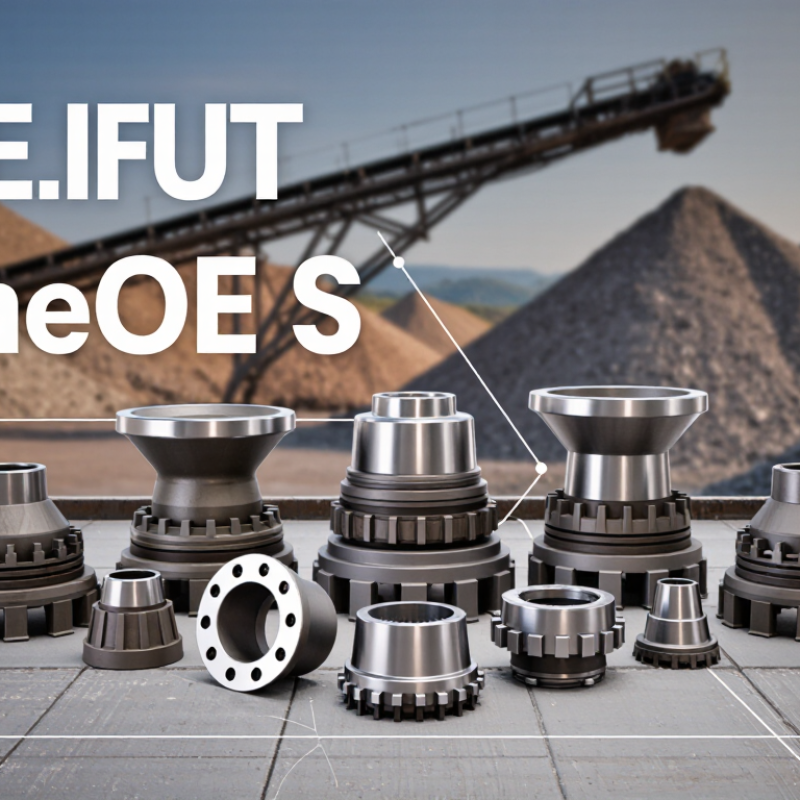
Selecting cone crusher parts starts with the material entering the chamber, not a catalog description. Record the feed’s top size and size distribution, then compare them with the crusher’s operating limits. Oversized pieces can cause uneven loading and accelerate localized wear. Rock hardness matters, but abrasiveness matters too: quartz-rich stone may wear liners faster than a softer, less abrasive feed. Use recent site samples where possible; a single sample may not represent a changing quarry face.
Tips: Track feed size, rock type, CSS, and throughput during the same operating shifts. CSS means closed-side setting; confirm how it is measured for your crusher. Compare steady production in tonnes per hour, not a short peak. Small details count.
CSS and throughput describe how the chamber is actually being used. A tighter setting can influence product size and power demand, while an unsuitable liner profile may restrict flow. Check operating records for recurring blockages, uneven wear, and output changes after adjustments. Be cautious with estimates: moisture, segregation, and operator changes can distort the numbers. A tidy spreadsheet is useful, but field observations may reveal what it misses. Share measured conditions with a qualified parts specialist before choosing a liner profile or material.
Choosing a cone crusher chamber starts with the feed, not the liner catalogue. Take a representative sample and record the top size, percentage of fines, and particle shape. A coarse, well-graded feed may suit a more open chamber profile, while smaller, consistently sized material can work better with a finer profile. The exact choice depends on the crusher design and operating conditions. Check the manufacturer’s feed limits before settling on a profile.
CSS is the narrowest gap between the mantle and concave, measured in millimetres. A tighter CSS can produce a smaller product, but it may increase power draw and accelerate wear. A wider CSS can raise throughput, yet leave more oversize material. Keep a sieve analysis of the product and compare it with the target gradation; adjust CSS in small steps and note the results. Look for an even wear pattern across the liner. Uneven wear may point to poor feed distribution or a mismatched chamber. Real feed rarely stays perfectly uniform. A tidy spreadsheet can miss damp fines or a sudden change in blasted rock. Recheck samples after feed conditions change, and treat early estimates as estimates.
When choosing cone crusher parts in 2026, start with the steel grade, not a broad “manganese” label. ASTM A128 covers several austenitic manganese-steel grades, and their chemistry varies. For a common high-manganese option, 11–14% manganese and 1.0–1.4% carbon are useful reference ranges. Confirm the specified grade on the material certificate. Small detail. It matters.
This chemistry supports a tough, work-hardening structure when the steel receives proper solution heat treatment and rapid quenching. In a cone chamber, repeated compressive impacts can harden the liner surface while leaving the core relatively ductile. That benefit depends on operating conditions. Consistent rock impact may promote useful hardening, while uneven feed can contribute to irregular wear. Chemistry alone is no guarantee; casting quality, heat treatment, fit, and crusher settings matter too.
Compare the part profile with the crusher model and chamber, then inspect wear after a consistent operating period. Measure remaining thickness at several points, including near the feed zone and discharge edge. Ask for chemistry results, heat-treatment records, and dimensional checks—not just a grade name. More manganese is not automatically better. A mismatched profile can wear prematurely, even when the steel meets its specification. Field data can be messy, so record feed size and settings to make comparisons meaningful.
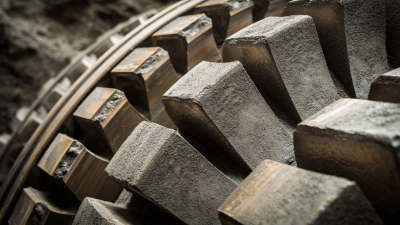
When evaluating cone crusher parts, inspect the casting before comparing price. Look for sound metal around high-stress areas, clean edges, and no visible cracks, cold shuts, or clusters of exposed pores. Small flaws matter. Visual inspection cannot reveal every internal cavity, so ask how critical castings are checked. Suitable nondestructive testing, with results tied to a production batch, can provide stronger evidence. The alloy and wear profile should also suit the crusher’s feed, including its abrasiveness and impact levels.
Heat treatment affects hardness, toughness, and wear life. Request a specified hardness range and test report, not just the phrase “properly hardened.” Check readings at representative locations; one measurement may miss uneven treatment. Too hard can mean brittle. Too soft can wear quickly. Dimensional checks should follow the current drawing and cover critical fits, such as seating faces, bolt holes, and mating surfaces. Measure twice. Confirm measurements are taken after final machining and compared with stated tolerances. Even a small mismatch can cause uneven contact, vibration, or difficult installation. Paperwork helps, but a receiving fit check is still sensible.
Choosing cone crusher parts in 2026 means checking performance against your own operating conditions. A liner’s service life can change with feed hardness, moisture, CSS, and operator adjustments. Compare parts in a controlled site trial, not from supplier estimates alone. Record tonnes processed, hours run, and the liner profile at regular intervals. Keep feed and settings as consistent as practical.
Cost per tonne gives wear life a useful financial context. Divide the installed part cost by the tonnes processed before the agreed replacement limit. Include labour and planned downtime if those costs are tracked reliably. For example, a liner that lasts longer may still cost more per tonne if its purchase price is much higher. That matters. Use weighbridge or plant production records, and note stoppages that distort the comparison.
Run trials across comparable shifts, then report the range as well as the average. A single result can mislead. Photograph wear at fixed points, and have the same trained person measure thickness where possible. Site data is imperfect: feed changes, and measurements can vary. Record those limits instead of hiding them. Review the results with maintenance staff before selecting a part, especially when a small change in wear pattern affects throughput or product shape.