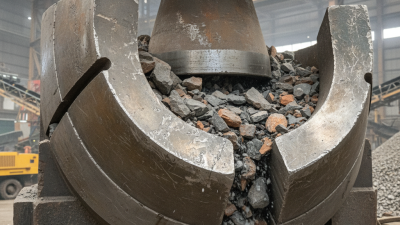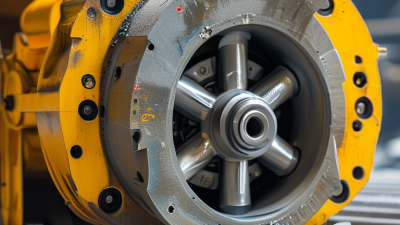
Choosing a Cone Crusher Bowl Liner in 2026 means matching the wear part to the machine, material, and production target. The bowl liner forms the stationary side of the crushing chamber, working against the moving mantle to reduce feed. Its profile influences chamber fit, material flow, and how crushing forces are distributed. Small details matter.
Start with the crusher’s exact model and approved liner profile. Then assess feed size, rock hardness, abrasiveness, moisture, and the product size you need. A liner suited to tough, abrasive stone may not deliver the best results with softer, flaky feed. Manganese steel is widely used, but alloy and heat-treatment options vary by application and supplier. Check technical specifications rather than choosing by material name alone.
Real plant conditions can be messier than a clean specification sheet suggests. Feed can change, and wear may be uneven across the liner. Review wear photographs, operating hours, throughput, and maintenance records when comparing options. These details help distinguish a genuinely longer-lasting liner from one that simply looks heavier. Ask the manufacturer or qualified crusher specialist to confirm compatibility, installation requirements, and any operating limits. Verify measurements before ordering; small profile differences can matter. The right choice is not always the most expensive or the longest-wearing option. It is the liner that safely fits your crusher and supports steady, economical production under your actual conditions.
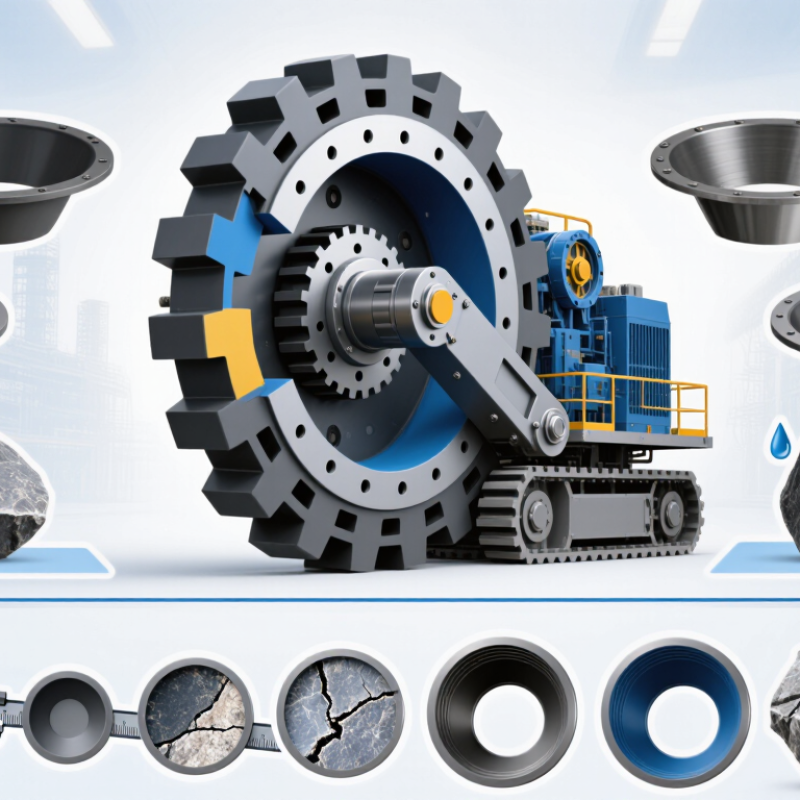
How to Choose a Cone Crusher Bowl Liner in 2026?
Understand the Role of a Cone Crusher Bowl Liner
A bowl liner forms the stationary crushing surface inside a cone crusher. Together with the mantle, it creates the chamber that compresses rock into smaller pieces. Its profile influences how material moves, how evenly the chamber wears, and the size and shape of the product. The liner also protects the main structure from abrasive feed. Fit matters. A small mismatch can affect contact and wear.
When selecting a liner, consider the feed’s hardness, abrasiveness, moisture, and top size. Check the crusher model, chamber profile, and target product gradation against the equipment manual. Review wear measurements and operating records, not just hours in service. A liner that lasts longer may still be a poor choice if output or particle shape suffers. It is easy to focus on alloy alone; that can overlook the role of chamber geometry.
Tips: Photograph the liner at scheduled inspections. Measure wear at repeatable points, and note changes in feed or settings. Ask a qualified service professional to confirm compatibility before installation. Keep the measurements consistent. Wear patterns can offer clues, but they are not a diagnosis by themselves. Recheck assumptions when the feed changes, because yesterday’s best fit may not suit today’s rock.
ASTM A128 Grade A manganese steel carbon content
ASTM A128 Grade A specifies 1.05–1.35% carbon and at least 11% manganese. This chemistry is one consideration when choosing a bowl liner; match the liner profile and material to the feed, operating conditions, and observed wear pattern.
Before choosing a cone crusher bowl liner, confirm the machine model, chamber profile, feed opening, and permitted closed-side setting. Record the actual feed size and product grading, not just the target figures. The USGS Mineral Commodity Summaries 2025 estimates U.S. crushed-stone production at about 1.5 billion short tons in 2024, a reminder that small gains in reliable operation matter across high-volume plants. That figure is industry context, not a liner-life benchmark.
Operating conditions determine whether a liner works as expected. Note feed hardness, abrasiveness, moisture, clay content, and the proportion of fines. Wet, sticky material can pack the chamber; oversized rock can concentrate impact near the feed zone. Compare the wear pattern with tonnage, power draw, and product shape. A liner that wears unevenly may point to an operating or feed-distribution issue, not simply poor material. Small details matter. Measurements from one shift can mislead, so check trends over several runs.
Tips: Photograph the bowl liner at installation and during inspections, using the same viewing angle. Log CSS, feed gradation, throughput, and operating hours beside each measurement. Share these records with a qualified crusher specialist before changing liner profile or material. A little uncertainty remains: ore variability can make direct comparisons imperfect.
A bowl liner profile should match the feed, not just the product size on a specification sheet. Coarse profiles usually provide larger feed openings and can suit bulky, less-processed rock. Finer profiles may support smaller output, but they need suitable feed and operating settings. A mismatch can cause uneven wear or leave the crushing chamber poorly filled. Small details matter.
Before selecting a profile, compare the feed’s size range, hardness, moisture, and expected throughput. Check the crusher’s operating limits and measure the current liner wear pattern. A polished band near one area or a sharp ridge can point to uneven loading, though neither tells the whole story. I would check twice. Plant records and a trial installation are more useful than assumptions based on rock type alone.
Material choice changes how the liner responds to impact and abrasion. Manganese steel can work-harden under repeated impact, making it a common option for demanding crushing conditions. Where abrasion dominates or impact is limited, other alloy formulations may be worth evaluating with a qualified supplier. More alloy is not automatically better. Track tonnes crushed, wear rate, and liner life together; otherwise, a longer-lasting liner may still reduce production if its profile restricts feed. One caveat: wear data from one site may not transfer neatly to another.
A bowl liner must match the crusher model, chamber profile, and intended feed range. Confirm the part number against current equipment documentation, then compare drawings and critical dimensions. Check seating surfaces, retaining features, and liner height. A small mismatch can cause uneven contact, movement, or accelerated wear. Do not rely on appearance alone.
Tips: Clean the bowl seat before fitting. Check for cracks, packed fines, and raised burrs. Confirm lifting points and handling instructions. Follow the equipment manual for fastening and tightening requirements; do not guess torque values.
Before installation, verify that the liner sits evenly and that the retaining system engages as specified. Keep hands clear during lifting, and use suitable tools and trained personnel. After startup, monitor for unusual vibration, noise, or temperature changes. Recheck the assembly at the interval recommended by the manual. Wear patterns can reveal fit problems, but they are not always easy to interpret. Even a liner that appears seated may need a closer inspection.
How to Choose a Cone Crusher Bowl Liner in 2026?
Assess Wear Patterns and Plan Replacement in 2026
Plan inspection around wear, not a fixed calendar interval. The U.S. Geological Survey’s Mineral Commodity Summaries 2025 estimates U.S. crushed-stone output at roughly 1.5 billion tons in 2024. That scale underscores why unplanned crusher downtime matters, though the figure does not predict any plant’s liner life. Record operating hours, feed size, hardness, moisture, and tonnage for each liner set. Compare those records with the crusher maker’s operating limits and your site’s safety procedures.
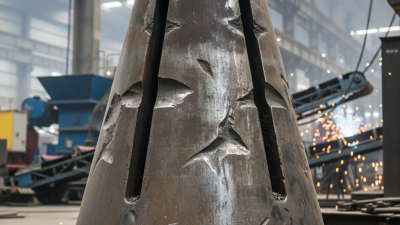
Look for an uneven wear ring, a thin lower section, cracks, or local gouging. The awkward part: wear rarely stays symmetrical. Check the bowl liner and mantle together; one-sided wear can signal uneven feed distribution, not simply a poor liner choice. Measure thickness at repeatable points and photograph the same areas during each inspection. Check it weekly. Increase inspection frequency when feed characteristics shift or production rises. Set replacement triggers from measured wear and your site’s risk assessment, then allow time for shutdown, lifting equipment, and fitting checks. Do not wait for visible failure. A practical plan still needs revision when real wear disagrees with the spreadsheet.
| Wear pattern | What to inspect | Possible operating factors | Liner selection consideration | Replacement planning | Priority |
|---|---|---|---|---|---|
| Even, gradual wear around the chamber | Compare profile measurements at repeatable points; check product size, capacity, and power trend. | Often consistent with stable feed distribution and a suitable chamber profile. | Retain the proven profile if it meets the required feed range and product specification. | Trend measured wear and schedule replacement before the manual’s minimum residual limit is reached. | Routine |
| Accelerated wear near the feed opening or upper chamber | Check feed size distribution, oversized material, feed alignment, and wear depth in the upper zone. | Oversize feed, abrasive material, or uneven feed distribution may contribute. | Confirm the chamber is appropriate for the actual feed size and application before changing profile. | Inspect more frequently while correcting feed issues; prepare a replacement if remaining profile is insufficient. | High |
| Heavy wear concentrated at the lower chamber or discharge area | Measure lower-profile wear; review closed-side setting (CSS), product grading, and signs of restricted discharge. | Fine or abrasive feed, operating setting, and chamber loading can affect lower-zone wear. | Choose a profile compatible with the target product size and the crusher’s approved operating range. | Plan a shutdown when wear approaches the specified limit or product quality can no longer be maintained. | High |
| Uneven wear from one side to the other | Compare measurements at corresponding positions; check feed centering, distribution, and liner seating. | Off-center feed, bridging, or installation and seating issues may cause asymmetric loading. | Do not select a different profile solely to compensate for uneven feed; correct the loading cause first. | Inspect promptly and verify fit and seating at the next safe shutdown. | High |
| Localized grooves, gouges, or abnormal impact marks | Check for tramp metal, uncrushable material, loose components, and damage beyond normal wear. | Foreign material or abnormal impact can damage the liner and related crusher components. | Prioritize material control and inspection; verify the liner is suitable for the service conditions. | Follow the manual’s damage criteria; stop and investigate if damage may affect safe operation. | Urgent |
| Wear rate rises between successive inspections | Compare like-for-like profile readings and operating hours; review feed hardness, abrasiveness, and throughput. | A change in feed characteristics or production conditions can shorten liner service life. | Base the next choice on the measured duty and verified application limits, not on a generic wear-life estimate. | Update the wear trend and bring the next liner and maintenance window forward if the forecast reaches the limit sooner. | High |