How to Choose the Best Fixed Jaw for Your Needs?
When it comes to selecting the ideal Fixed Jaw for your specific needs, expert advice is invaluable. Dr. James Carter, a leading authority in the field, states, "Choosing the right Fixed Jaw can significantly impact performance and safety." His insights emphasize the importance of understanding your requirements before making a decision.
Fixed Jaws serve vital functions across various industries, particularly in manufacturing and construction. They come in different sizes, materials, and designs, all crucial for achieving optimal results. An informed choice is essential. Not every Fixed Jaw will suit every application. Some may be too rigid, while others could lack stability. Evaluating these aspects often requires more than just personal preference.
It's also important to consider the compatibility of a Fixed Jaw with your existing machinery. Many users overlook this and face operational difficulties. Additionally, the prevailing industry trends can complicate choice, with many newer models flooding the market. Taking time to reflect on these factors can lead to better outcomes in your projects.
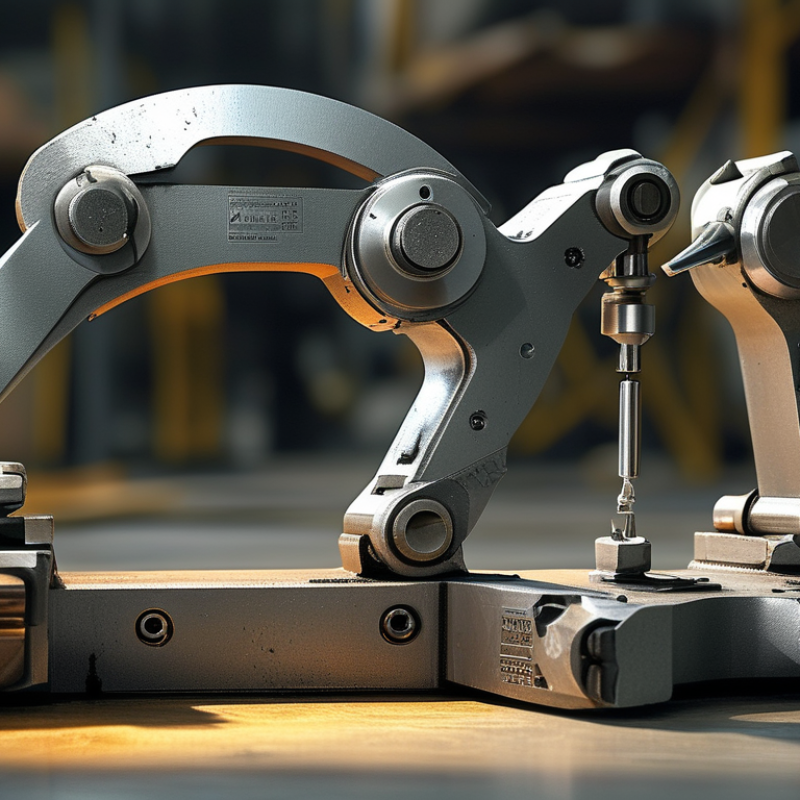
Factors to Consider When Selecting a Fixed Jaw
Choosing the right fixed jaw for your specific needs involves careful consideration of several critical factors. Material quality is paramount. High carbon steel is durable, but stainless steel offers resistance to corrosion. Reports indicate that equipment failures often trace back to material weaknesses. Evaluating the material type can prevent costly downtime.
Another essential aspect is the size and compatibility with your existing machinery. A poorly sized jaw can lead to inefficient processing or equipment damage. Technical specifications should match the required operational standards. According to industry studies, improperly fitted jaws lead to a 20% increase in operational issues. It's vital to analyze the specifications in detail to ensure optimal performance.
Always weigh the jaw design features. Features like self-adjustment mechanisms and quick-release options enhance usability and maintenance. Research indicates that user-friendly designs reduce maintenance time by up to 30%. Consider how these features align with your operational demands. Reflect on past experiences and how different designs have affected productivity to make an informed choice.
How to Choose the Best Fixed Jaw for Your Needs?
This bar chart illustrates the key factors to consider when selecting a fixed jaw, with their corresponding importance levels rated from 1 to 10. Material quality and durability are the most critical aspects, followed by weight capacity and jaw size. Cost is considered comparatively less important, but still a factor to keep in mind.
Understanding Different Types of Fixed Jaws and Their Applications
When selecting a fixed jaw, it is essential to understand the different types available and their specific applications. Fixed jaws can vary in design, material, and functionality. For example, some are designed for heavy-duty applications, while others cater to lighter tasks. According to industry reports, the demand for durable, high-performance fixed jaws has increased by over 30% in the past few years. Understanding these variations can significantly impact your project outcomes.
Choosing the right material is critical. Steel jaws, for instance, offer high strength and durability. Aluminum jaws are lighter but may not withstand the same forces. Research indicates that improper material selection can lead to equipment failure, affecting production efficiency. In certain scenarios, a hybrid approach may be beneficial, combining materials for optimized performance.
Consider the specific requirements of your application. You need to evaluate the load capacity and environmental factors. A jaw that excels in one setting may not perform as well in another. Often, users overlook the size and fitting, which can lead to misalignments during operations. These misalignments can cause safety hazards and increase wear on the equipment.
Use efficient lines of communication with suppliers. They can provide valuable insights based on their expertise. Discuss your needs openly and study industry standards to guide your decisions. Engaging with professionals can help refine your choices and lead to better outcomes. Overall, an informed selection process can enhance both safety and productivity in your operations.
Material Choices: Comparing Durability and Performance
When selecting a fixed jaw, material choice is crucial. Different materials offer unique benefits that directly impact durability and performance. Steel jaws are often favored for their strength. They withstand heavy loads and resist deformation well. However, they might not be the best choice for all situations. Over time, they can corrode if not properly maintained.
Consider aluminum as an alternative. It's lightweight and offers good resistance to corrosion. This can enhance performance in environments where weight matters. Yet, aluminum may sacrifice some durability compared to steel. Users need to evaluate their specific requirements carefully. Sometimes, a balance of weight and strength is desired, leading to mixed material options.
Ceramics can be considered for specialized applications. They boast excellent hardness and wear resistance. Yet, they lack the toughness of metals, making them more prone to chipping or cracking under stress. Users should reflect on their usage scenarios and the potential wear and tear during operation. Each material has its strengths and weaknesses, emphasizing the need for informed decision-making.
Size and Compatibility: Ensuring a Proper Fit for Your Needs
Choosing the right fixed jaw can significantly impact your projects. A primary concern is ensuring the size and compatibility. Not all jaws fit every machine or application. Measure your existing jaws carefully. Check the specifications before making a decision.
One approach to confirm fit is to compare models side by side. This helps identify differences in dimensions. Minor variations may affect performance. Take note of the material and design as well. These factors contribute to longevity and reliability.
Evaluate your needs critically. Consider what tasks you perform regularly. Reflect on what improvements you seek in your equipment. Choosing the wrong fixed jaw can lead to frustration and inefficiency. Achieving a proper fit could enhance productivity. Always prioritize compatibility in your selection process. This will save you time and resources in future tasks.
Cost vs. Quality: Finding the Best Value in Fixed Jaws
When considering fixed jaws, the balance between cost and quality is crucial. High-end fixed jaws often promise durability. However, they can put a strain on your budget. Meanwhile, cheaper options might compromise performance. It's essential to evaluate your specific needs, as not every project requires high-end materials.
Take time to research materials and design. Some jaws may offer decent quality at a lower price. Don’t overlook user reviews and expert recommendations. They can provide insight into long-term performance. Balancing value with quality is a personal journey. Reflect on how often you will use the jaws. If it’s a frequent task, investing in quality makes sense. But for occasional projects, budget-friendly options may suffice.
Consider the safety and risk factors involved too. Sometimes, cost-cutting could lead to inadequate performance. A poorly made fixed jaw may cause accidents. Ensure that the jaws adhere to safety standards. Exploring all options thoroughly will lead to better decisions. The right fixed jaw should fit both your budget and your needs effectively.