Top Fixed Jaw Plate Manufacturers for Global Buyers?
In the competitive landscape of manufacturing, fixed jaw plates play a critical role. These components are essential in jaw crushers, impacting performance and efficiency. It’s vital to understand the leading fixed jaw plate manufacturers to make informed choices. Quality and reliability are paramount for optimal machinery function.
Research reveals that several manufacturers dominate the market. Each offers unique features and varying material compositions. Some are known for durability, while others focus on innovative designs. However, quality sometimes comes at a price, raising questions about cost-effectiveness. Buyers must consider long-term benefits versus initial investments.
Additionally, not all manufacturers maintain consistent standards. This inconsistency can lead to poor performance or rapid wear. Thus, it’s essential to thoroughly evaluate manufacturer credibility and customer reviews. By choosing the right fixed jaw plate manufacturer, buyers can enhance machinery performance and ensure operational longevity.
Overview of Fixed Jaw Plates in the Mining Industry
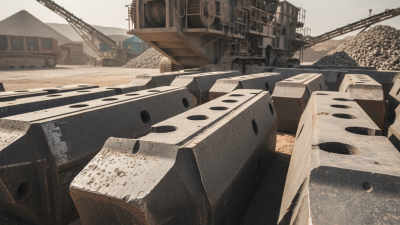
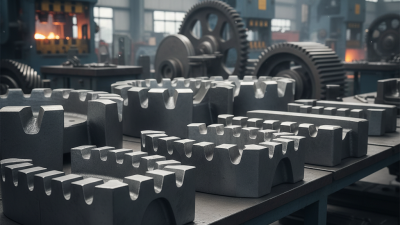
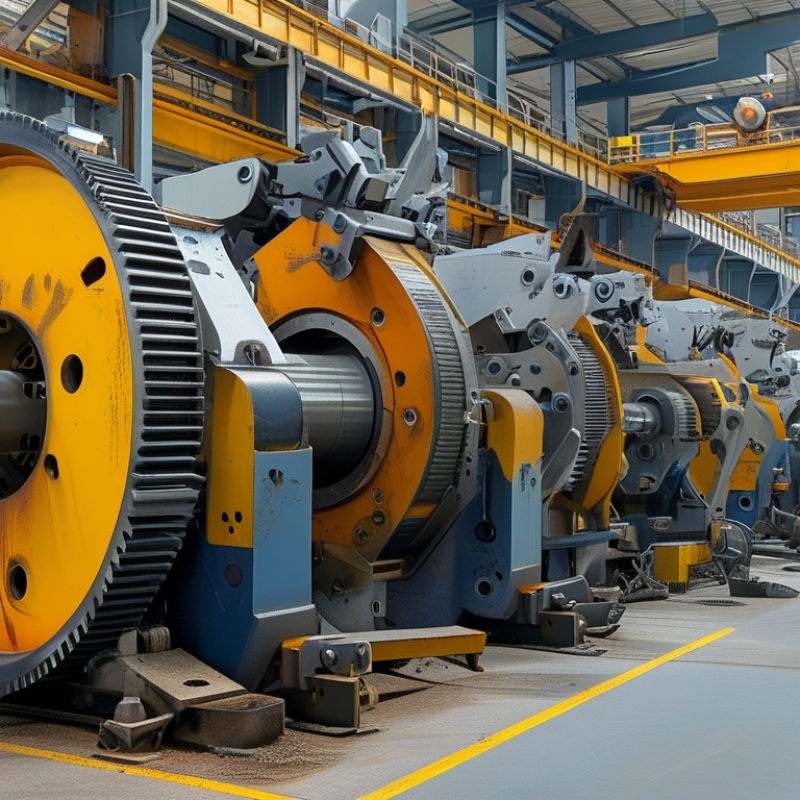
In the mining industry, fixed jaw plates play a critical role in crushing operations. These components are essential for breaking down large materials into manageable sizes. Typically made from high-strength steel, fixed jaw plates endure harsh environments. They often face heavy wear and tear due to the abrasive nature of stone and ore. This durability is crucial for maintaining consistent production rates.
However, not all fixed jaw plates are created equal. The material composition and design impact their lifespan and efficiency. Some manufacturers focus on innovative designs that enhance performance, while others stick to traditional methods. It’s important for buyers to consider both performance and cost when selecting fixed jaw plates.
Maintenance of these plates is another crucial aspect. Regular inspections can help identify wear issues before they result in operational failures. Operators sometimes overlook this, leading to unexpected downtime. Investing in high-quality components and proper maintenance routines can yield significant benefits in the long run. Balancing cost and quality remains a challenge for many in the industry.
Top Fixed Jaw Plate Manufacturers for Global Buyers
| Manufacturer Location |
Annual Production Capacity (Tons) |
Material Used |
Typical Applications |
Market Regions |
| North America |
10,000 |
High Manganese Steel |
Mining, Construction |
USA, Canada |
| Europe |
8,500 |
Alloy Steel |
Quarrying, Recycling |
Germany, France, UK |
| Asia |
15,000 |
Chrome Moly Steel |
Mining, Cement |
China, India, Japan |
| South America |
5,000 |
Wear-Resistant Steel |
Mining, Aggregate |
Brazil, Chile |
Key Specifications and Materials Used in Fixed Jaw Plates
Fixed jaw plates play a critical role in various industrial applications, particularly in the crushing and mining sectors. These components are designed to withstand tremendous forces during operation. The specifications for fixed jaw plates can vary significantly based on their intended use, requiring careful consideration in design and material choice.
Common materials used in manufacturing fixed jaw plates include manganese steel and high-carbon steel. Manganese steel is known for its high impact strength and ductility. It works well in high-stress environments, offering excellent wear resistance. High-carbon steel, while also durable, can be more brittle under specific conditions, leading to potential failure points. This choice emphasizes the need for manufacturers to understand the operational conditions fully.
In addition to material choice, dimensions and surface treatment are crucial aspects. Proper sizing impacts performance and longevity. Surface treatments, such as hardening or coating, can enhance wear resistance. However, not all manufacturers pay sufficient attention to these factors. Some might overlook the balance between hardness and toughness, leading to premature wear or breakage. This inconsistency can affect production efficiency and raises concerns about reliability in the long term.
Leading Fixed Jaw Plate Manufacturers Around the World
In the global market for fixed jaw plates, manufacturers play a critical role in the production of mining and construction equipment. These components are essential for crushing machinery. They ensure efficiency and durability, which are vital in high-demand settings. According to a report by MarketsandMarkets, the global market for jaw crushers is projected to reach USD 1.7 billion by 2025, showcasing significant growth opportunities.
Across various regions, the demand for high-quality fixed jaw plates is on the rise. The Asia Pacific region leads in this demand due to rapid urbanization and industrialization. This growth has spurred innovations in materials used for jaw plates. Many manufacturers are exploring advanced alloys to improve wear resistance. Yet, there are challenges. Some suppliers struggle with quality control, leading to variability in product performance. There is a growing need for manufacturers to enhance their production processes.
The competitive landscape reveals a mix of established players and emerging companies. Industry benchmarks suggest that companies investing in research and development have better market performance. Reports indicate that around 25% of industry players focus on sustainable production methods. This trend reflects a shift towards eco-friendly practices in manufacturing. However, not all companies have adopted this approach, leading to uneven standards across the sector.
Factors to Consider When Selecting a Manufacturer
When selecting a fixed jaw plate manufacturer, several crucial factors come into play. First, assess the manufacturer’s experience in the industry. A well-established manufacturer often has the expertise in handling various materials and designs. Their track record can provide insight into their reliability. A provider that maintains a strong market position typically invests in quality control processes. This can ensure that the products meet industry standards.
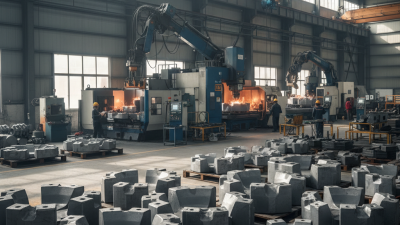
Next, consider the manufacturer's technological capabilities. Advanced machinery can lead to higher precision in producing jaw plates. A manufacturer who embraces innovation is often more adaptable to changes. Their willingness to invest in new technologies can indicate a commitment to quality and efficiency. This can ultimately impact your operational effectiveness.
Another factor is customer support. Evaluating how responsive a manufacturer is can be illuminating. A manufacturer who prioritizes communication and support can alleviate concerns during any issues. Building a trusting relationship with a manufacturer is necessary for long-term success. However, be cautious of overly aggressive marketing claims. Always seek reviews or testimonials from other clients to evaluate their credibility. This is crucial for making an informed decision.
Market Trends and Innovations in Fixed Jaw Plate Production
The fixed jaw plate market is experiencing significant changes. Recent reports indicate that demand for robust and efficient fixed jaw plates has surged. This demand aligns with the growing global construction and mining industries. According to a report by Research and Markets, the global jaw plates market is projected to reach USD 4.5 billion by 2027, highlighting a CAGR of 4.2% from 2021 to 2027.
Innovations in materials are reshaping the production landscape. Manufacturers are now utilizing advanced alloys and wear-resistant coatings. These innovations improve durability and extend service life. However, challenges remain. The high cost of these materials can limit access for smaller companies. Additionally, not all innovations are consistently implemented across the industry. Some manufacturers lag behind, risking their market share.
Sustainability is becoming a key trend. Many companies are now considering eco-friendly practices in production. This shift comes as regulations around environmental impact tighten. Yet, there are discrepancies in adoption rates. Some regions embrace sustainability, while others struggle with compliance. Overall, the fixed jaw plate production is evolving, but there are still hurdles to overcome.