Inquiry
Form loading...

Top 10 Mining Stone Jaw Plate Manufacturers Worldwide

Choosing the right Mining Stone Jaw Plate manufacturer can influence crushing efficiency, maintenance costs, and equipment life. In hard-rock operations, jaw plates face constant impact, abrasion, vibration, and uneven feed sizes. A reliable supplier must understand these pressures, not merely advertise high manganese steel or advanced casting methods. This guide introduces ten manufacturers with notable international experience in mining wear parts and jaw crusher components.

The comparison considers material quality, casting consistency, heat treatment, dimensional accuracy, product range, and technical support. It also examines how manufacturers respond to practical site conditions. These include wet ore, oversized rocks, high-silica feed, and frequent plate changes. Some companies serve large mining groups, while others focus on custom parts for regional quarries and contractors. Their strengths may differ considerably.

Evidence matters here. Product catalogs can provide useful specifications, but operating records, inspection reports, and customer feedback offer stronger guidance. Buyers should confirm alloy chemistry, hardness results, fitment tolerances, and expected service life before placing large orders. No list is perfect. Ranking manufacturers across different markets involves incomplete information and changing production standards. A jaw plate that performs well in granite may wear differently in iron ore. That detail is easy to overlook. The manufacturers discussed below are therefore presented as informed options, not universal solutions. Readers should match each supplier’s proven capabilities with their crusher model, material characteristics, production targets, and maintenance practices. Practical testing remains valuable. Even excellent claims require field verification.
Top 10 Mining Stone Jaw Plate Manufacturers Worldwide

What Mining Stone Jaw Plates Are and Why They Matter

Top 10 Mining Stone Jaw Plate Manufacturers Worldwide

What Mining Stone Jaw Plates Are and Why They Matter

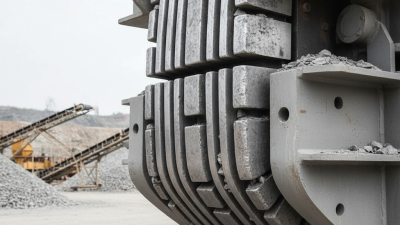
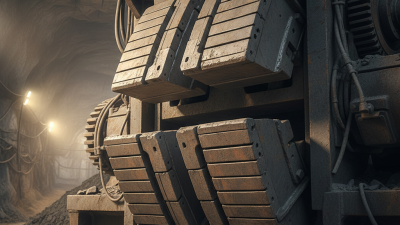
Mining stone jaw plates are replaceable wear parts inside a jaw crusher. They grip and compress large rocks between two crushing surfaces. Most plates use high-manganese steel because it hardens under repeated impact. Their profiles vary for granite, limestone, recycled concrete, and other feed materials.

In field inspections, I check the tooth shape, surface cracks, mounting bolts, and discharge size. A worn plate can produce uneven rock, increase power use, and create damaging vibration. It may also allow oversized stones to pass through the crusher. Correct plate selection supports steady production and safer maintenance. Still, no plate performs perfectly in every quarry. Feed moisture, rock abrasiveness, and operator habits change results.

Tips: Measure the feed before ordering plates. Match the profile to the material’s hardness and size. Check plate wear daily during heavy production. Replace loose bolts immediately. Keep a simple record of running hours, output, and wear depth. That record often reveals problems earlier than visual inspection alone.

Top 10 Mining Stone Jaw Plate Manufacturers Worldwide - What Mining Stone Jaw Plates Are and Why They Matter

Manufacturer-neutral comparison of common mining stone jaw plate configurations and selection factors. Actual service life depends on feed properties, crusher settings, operating practices, and maintenance.
Rank Jaw Plate Configuration Typical Material or Application Common Wear-Material Choice Main Performance Benefit Primary Limitation Key Selection Check
1 Heavy-Duty Corrugated Plate Hard rock, granite, basalt, and abrasive quarry stone Manganese steel, commonly approximately 12–14% Mn Strong work hardening and good resistance to severe impact and abrasion Can wear quickly when crushing highly abrasive material without sufficient impact Confirm feed size, compressive strength, abrasiveness, and crusher model
2 Quarry Tooth Plate Large, hard blasted rock with high impact loading High-manganese steel or alloyed manganese steel Deep teeth improve initial grip and reduce rock slippage in the crushing chamber Large tooth profiles may produce less favorable particle shape in some applications Match tooth profile to the closed-side setting and maximum feed lump size
3 Super-Tooth Plate Very hard, slabby, or difficult-to-grip rock Work-hardening manganese steel Aggressive gripping action can improve nip on coarse feed Higher tooth stress may cause localized wear if the profile is unsuitable Check whether the crusher has adequate power and a compatible chamber design
4 Multi-Tooth Plate General quarrying, recycled aggregate, and mixed rock feed Manganese steel; alloy chemistry varies by service condition Balanced grip, throughput, and wear distribution for broad operating conditions Usually not the optimum profile for an extreme single-duty application Compare tooth spacing with the desired product size and feed gradation
5 Wavy or Corrugated Plate Medium-hard rock and applications requiring improved material retention Manganese steel Provides repeated contact points and helps stabilize material in the chamber May create higher friction and power demand than a smoother profile Evaluate motor load, chamber geometry, and the target reduction ratio
6 Smooth Plate Soft to medium-hard stone, limestone, and selected recycled materials Manganese steel or wear-resistant alloy steel, depending on impact level Lower surface friction and a relatively even crushing action Reduced gripping ability on large, flaky, or very hard feed Use only when feed can be nipped reliably at the planned closed-side setting
7 Recycling Plate Concrete, demolition debris, asphalt, and occasional steel contamination Tough manganese steel or reinforced wear-resistant steel Designed for variable feed and impact from non-mineral contaminants May not provide the longest life in highly abrasive virgin rock Check tramp-release protection, rebar handling, and contamination controls
8 Low-Profile Fine-Crushing Plate Secondary-size feed where a smaller product is required from a jaw crusher Manganese steel with a thinner or finer working profile Can support a finer product when the crusher and feed conditions permit Lower tolerance for oversize feed and severe impact Verify maximum feed size, reduction ratio, and allowable operating power
9 Thick Heavy-Duty Plate High-throughput primary crushing with large and irregular feed Thick-section manganese steel with impact-focused chemistry Greater wear allowance and structural strength for demanding primary duty Higher purchase weight and cost; may reduce chamber volume if incorrectly fitted Confirm backing, fastening system, plate mass, and lifting requirements
10 Hybrid or Alloy-Modified Plate Applications balancing abrasion, impact, and extended maintenance intervals Alloy-modified manganese or other application-specific wear alloy Can improve wear performance when standard manganese steel is not optimal Performance is highly dependent on correct alloy selection and work-hardening conditions Request verified chemistry, hardness data, test history, and application references

How Jaw Plate Materials and Designs Affect Crushing Performance

Top 10 Mining Stone Jaw Plate Manufacturers Worldwide

Jaw plate material directly affects wear life, power use, and product shape. High-manganese steel remains common because repeated impact hardens its working surface. It suits variable feed and large rock. However, it may wear quickly under severe abrasion without enough impact. Martensitic alloy plates can offer stronger abrasion resistance and stable profiles. They may crack when installation, feed conditions, or support alignment is poor. Material selection needs site data, not catalog claims. Small detail. Big consequence.

Design controls how force enters the crushing chamber. Deep teeth improve grip on rounded stone, but they can create high localized stress. A flatter profile may produce a more even product size. It can also encourage slippage with wet or smooth feed. Curved plates can improve nip conditions and reduce needless recirculation. The wrong profile may increase fines and load the motor. Watch the feed. It changes everything.

On-site checks should include tooth wear, discharge setting, plate seating, and fastening torque. A loose plate can damage the frame within a short shift. Measure the closed-side setting after replacement, not only before it. Operators should compare wear patterns across the chamber. Uneven wear often points to poor feeding or misalignment. Teams sometimes choose thicker plates, expecting longer service, then lose capacity. Weight is not everything. Test one controlled change, and record power draw, throughput, and product grading. Some conclusions remain uncertain until several feed cycles are measured.

Top 10 Mining Stone Jaw Plate Manufacturers Worldwide — How Jaw Plate Materials and Designs Affect Crushing Performance

Typical jaw plate performance depends strongly on material hardness, work-hardening behavior, toughness, and tooth profile. Austenitic manganese steel is widely used for abrasive rock because it can work-harden under impact, while martensitic steel and chromium-molybdenum white iron provide higher initial hardness for less-impactful, highly abrasive applications. Actual service life varies with feed size, compressive strength, moisture, chamber design, and operating conditions.

Key Criteria for Comparing Global Jaw Plate Manufacturers

Comparing the top ten jaw plate manufacturers requires more than reading catalog claims. Real reliability appears in quarry dust, uneven feed, and repeated liner changes. Ask for documented steel grades, heat-treatment records, and dimensional inspection results. These records reveal whether production follows a controlled process or informal promises. Material hardness matters, but toughness matters too. An extremely hard plate can crack under impact. Review laboratory data beside field evidence from similar rock types. Granite, recycled concrete, and abrasive river gravel create different wear patterns. Manufacturers should explain how alloy selection matches your crusher model, feed size, and operating pressure. Vague answers deserve caution.

Fit and support deserve equal attention. Measure pin holes, tooth profiles, and seating surfaces against your machine drawings. A plate needing forced installation can damage the jaw or slow maintenance. Reliable suppliers provide traceable batches, replacement guidance, and responsive technical communication.

Check whether delivery estimates include machining, export packaging, and realistic production capacity. An impressive website proves little. References from active mines are more useful than polished testimonials. Ask about actual service intervals, not expected figures alone. Small details often expose weak control.

Cost comparisons should include wear life, downtime, labor, and freight. Price per plate is an incomplete measure. Still, wear-life claims can be difficult to verify across different crushing conditions. Request test methods, operating hours, and photographs showing measured tooth loss. Independent inspection can strengthen confidence before a large order. Even careful buyers can misjudge performance after one trial. Keep a trial log. Record feed hardness, closed-side setting, throughput, liner hours, and failure points. This evidence supports a fairer ranking and exposes assumptions that looked convincing on paper.

Top 10 Mining Stone Jaw Plate Manufacturers Worldwide

Top 10 Mining Stone Jaw Plate Manufacturers Worldwide

The top ten mining stone jaw plate manufacturers worldwide should be judged by performance, not visibility alone. Reliable producers study feed size, rock hardness, crusher pressure, and operating temperature before recommending a jaw plate. Experienced engineers often compare manganese steel grades, tooth profiles, casting accuracy, and bolt-hole alignment. These details affect wear life and replacement time. A well-made plate should fit securely, resist cracking, and maintain a stable crushing chamber. Some manufacturers also provide laboratory reports, installation guidance, and field feedback from quarries. However, every ranking has limits. Site conditions can change results.

Tips: Ask for material certificates and dimensional drawings. Check whether the plate suits your crusher model. Request wear data from similar stone applications. Inspect the casting surface before installation. Small defects may become expensive problems.

A dependable supplier should explain its testing process clearly. Look for impact testing, hardness checks, and controlled heat treatment. Practical support matters too, especially when production stops unexpectedly. The best manufacturers usually maintain consistent quality across repeated orders, rather than offering one excellent batch. Still, lower purchase cost can be misleading. A cheaper jaw plate may wear quickly, increase maintenance work, and produce uneven product sizes. Buyers should record operating hours, feed characteristics, and liner thickness during inspections. These records create stronger decisions than advertising claims. The top ten list is useful as a starting point, not a final answer.

How to Select the Right Jaw Plate Manufacturer for Your Operation

Top 10 Mining Stone Jaw Plate Manufacturers Worldwide

How to Select the Right Jaw Plate Manufacturer for Your Operation

Selecting a jaw plate manufacturer starts with your rock, not a catalog. Granite, recycled concrete, and iron ore create different impact and abrasion demands. The USGS Mineral Commodity Summaries 2024 reported about 1.5 billion metric tons of crushed stone production in the United States during 2023. This scale makes small wear-rate errors expensive. Ask manufacturers for test data using your feed gradation, moisture, and closed-side setting.

A credible supplier should provide chemistry, hardness ranges, heat-treatment records, and material traceability. Request references from operations with similar throughput and duty cycles. Deloitte’s Tracking the Trends 2024 report emphasizes productivity, cost control, and digital monitoring across mining. Therefore, compare cost per crushed tonne, not price per plate. Check delivery reliability, emergency support, and liner-design advice. A polished brochure proves little.

During inspections, look for uneven tooth wear, cracking, and poor seating. These details can expose unsuitable alloy selection or installation errors. Trial one set under controlled measurements before changing every chamber. That caution is not perfect; production pressure often wins. Still, recorded tonnes, downtime, and residual thickness create a defensible decision. Choose a manufacturer willing to discuss failed trials openly.